
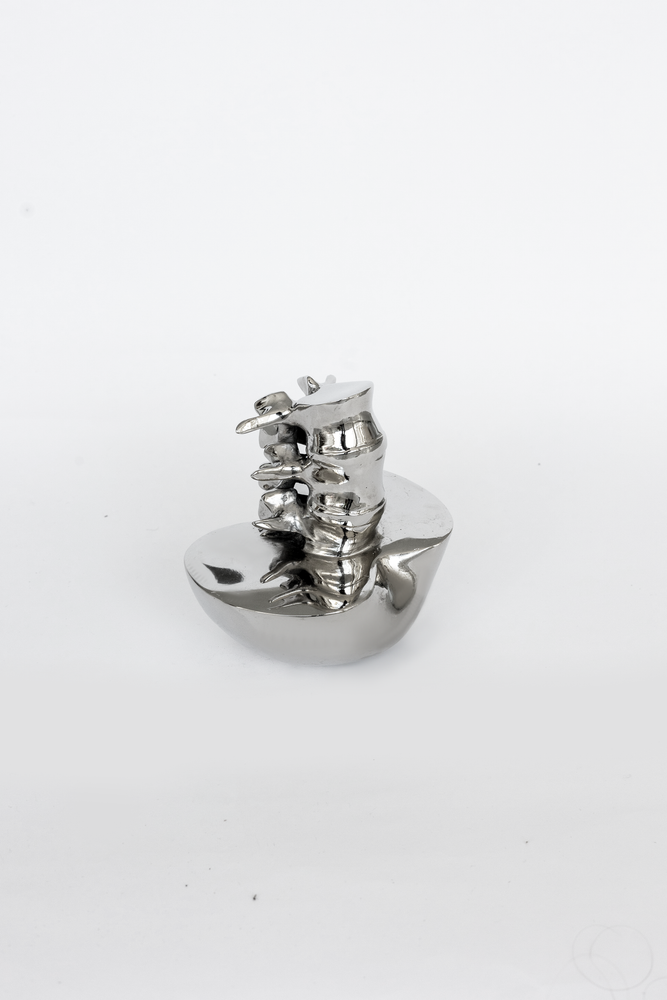
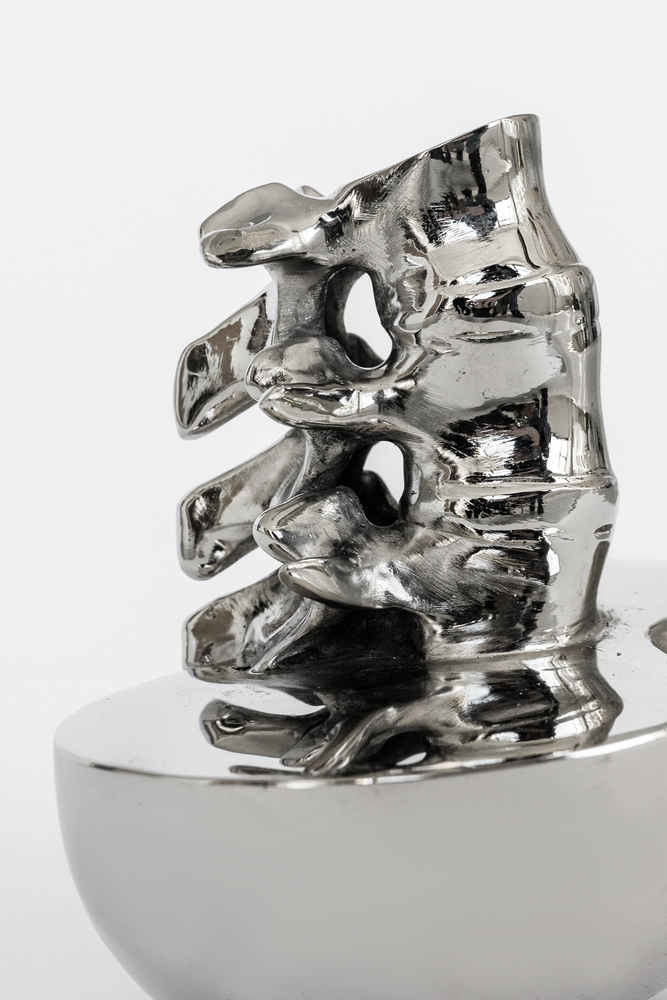

Ángeles Agrela

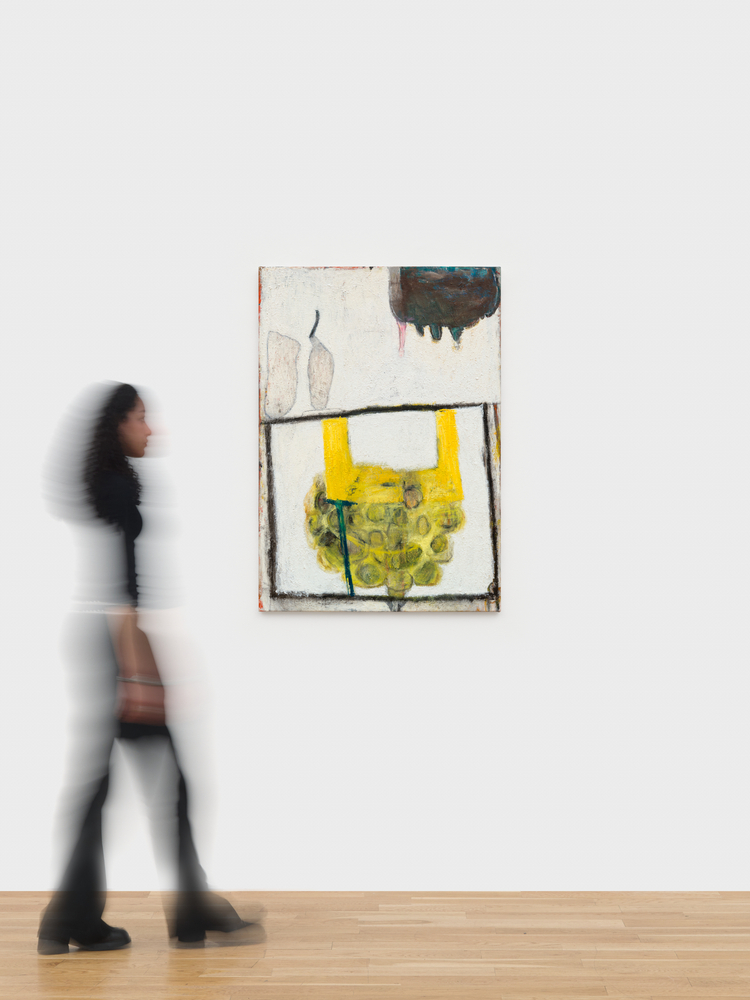
THE BODY DOES NOT EXPLAIN ITSELF
Installation View
Nicodim, Los Angeles, 2026
THE BODY DOES NOT EXPLAIN ITSELF
Installation View
Nicodim, Los Angeles,
THE BODY DOES NOT EXPLAIN ITSELF
Installation View
Nicodim, Los Angeles,
THE BODY DOES NOT EXPLAIN ITSELF
Installation View
Nicodim, Los Angeles, 2026
THE BODY DOES NOT EXPLAIN ITSELF
Installation View
Nicodim, Los Angeles, 2026
THE BODY DOES NOT EXPLAIN ITSELF
Installation View
Nicodim, Los Angeles, 2026
THE BODY DOES NOT EXPLAIN ITSELF
Installation View
Nicodim, Los Angeles, 2026
THE BODY DOES NOT EXPLAIN ITSELF
Installation View
Nicodim, Los Angeles, 2026
THE BODY DOES NOT EXPLAIN ITSELF
Installation View
Nicodim, Los Angeles, 2026
THE BODY DOES NOT EXPLAIN ITSELF
Installation View
Nicodim, Los Angeles, 2026
THE BODY DOES NOT EXPLAIN ITSELF
Installation View
Nicodim, Los Angeles, 2026
THE BODY DOES NOT EXPLAIN ITSELF
Installation View
Nicodim, Los Angeles, 2026
THE BODY DOES NOT EXPLAIN ITSELF
Installation View
Nicodim, Los Angeles,
THE BODY DOES NOT EXPLAIN ITSELF
Installation View
Nicodim, Los Angeles, 2026
THE BODY DOES NOT EXPLAIN ITSELF
Installation View
Nicodim, Los Angeles, 2026
THE BODY DOES NOT EXPLAIN ITSELF
Installation View
Nicodim, Los Angeles,
THE BODY DOES NOT EXPLAIN ITSELF
Installation View
Nicodim, Los Angeles, 2026
THE BODY DOES NOT EXPLAIN ITSELF
Installation View
Nicodim, Los Angeles, 2026
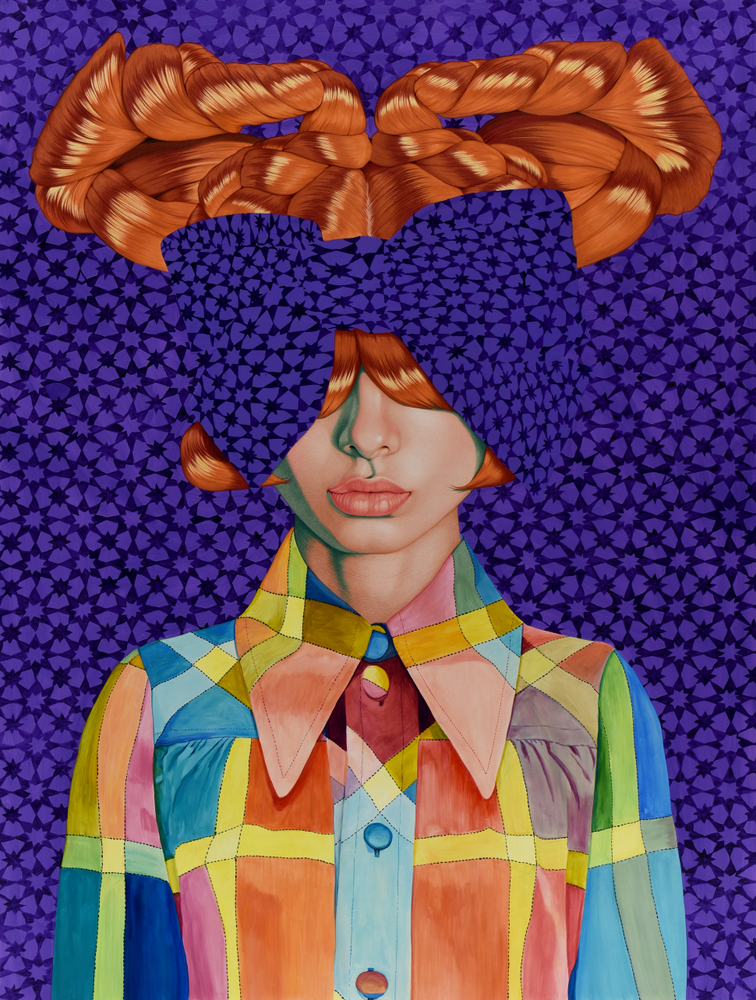
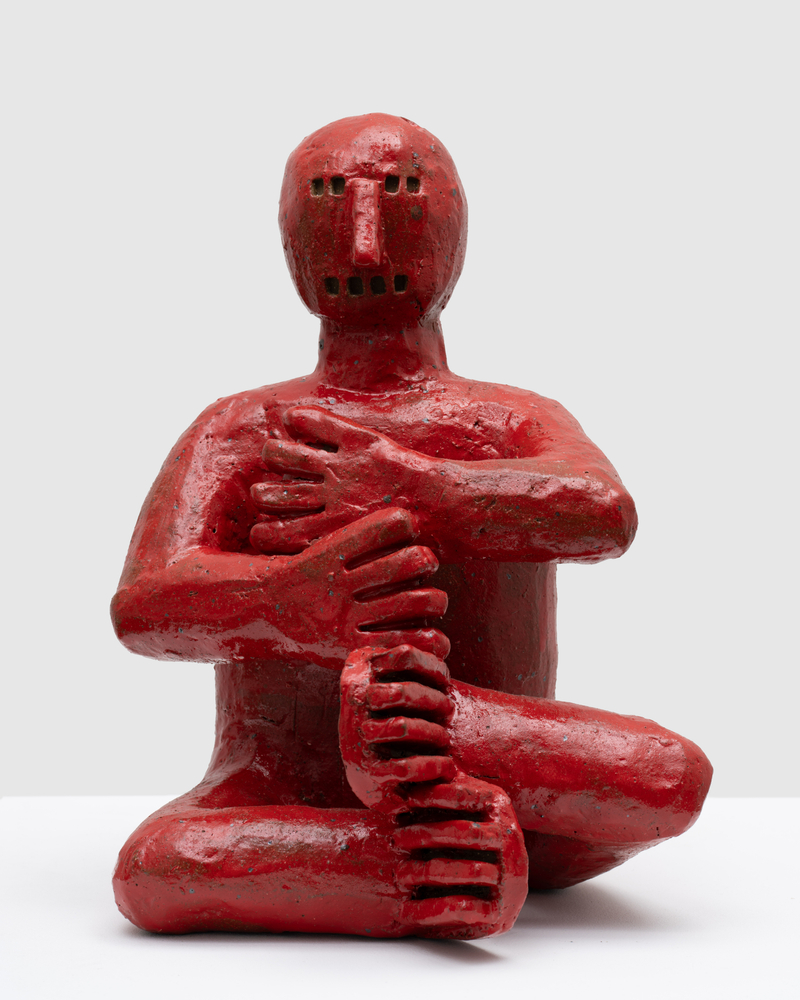
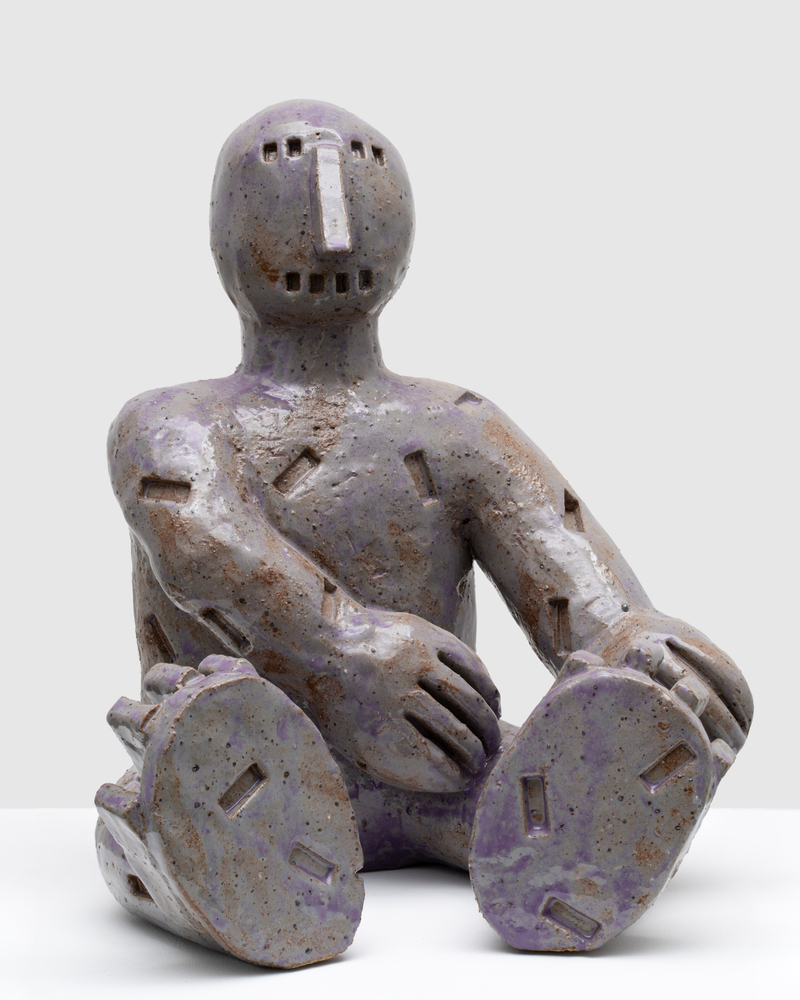
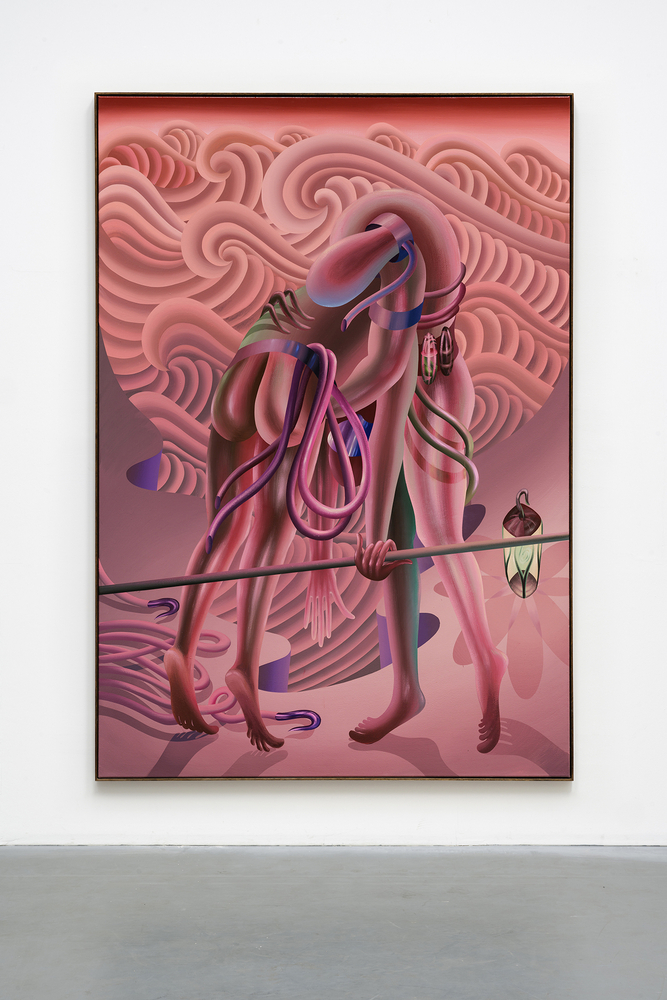
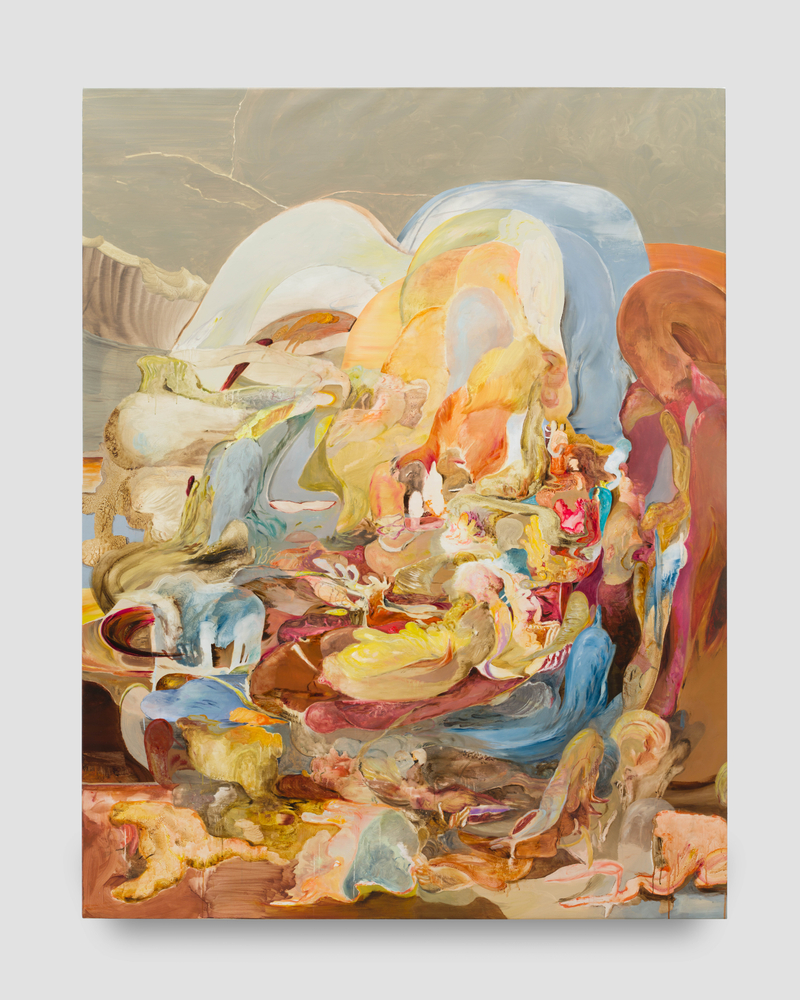
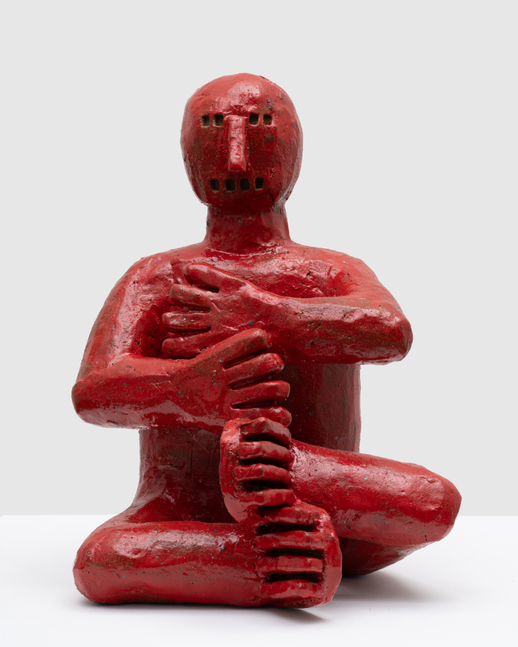
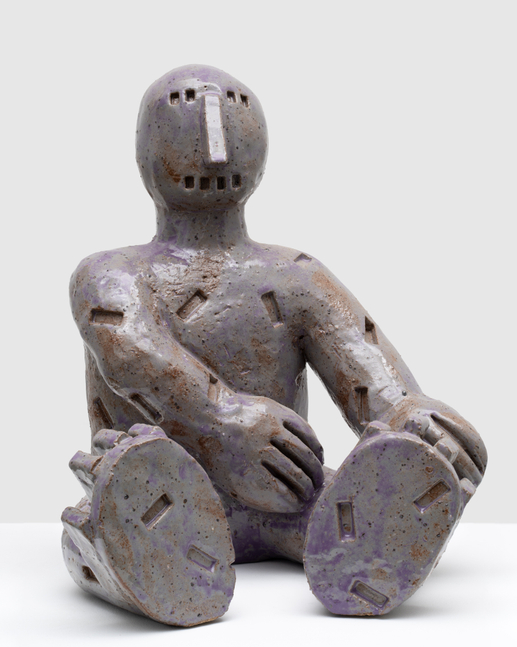
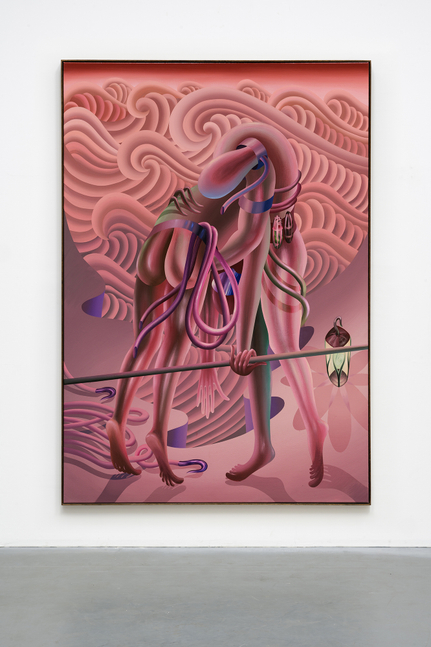
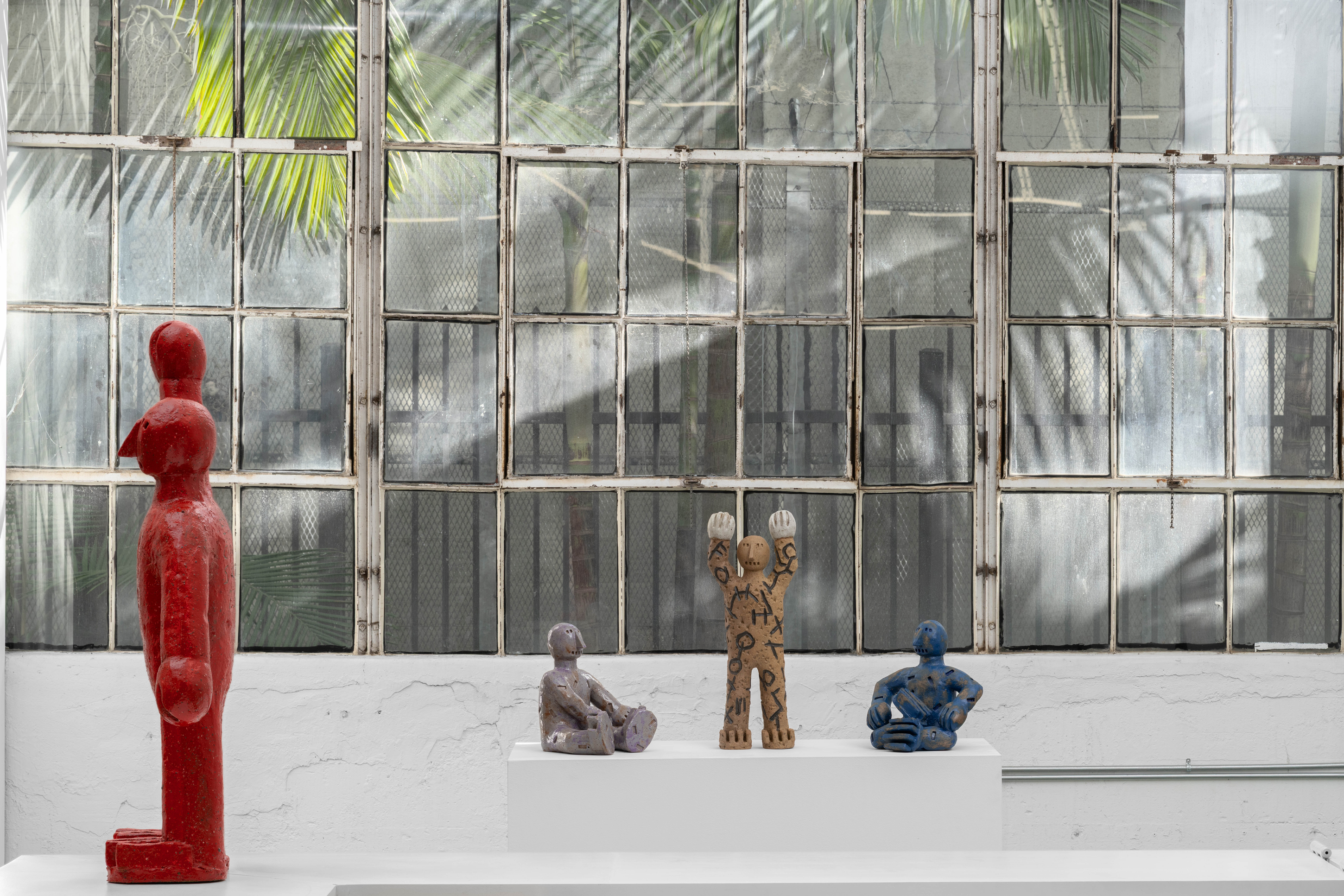
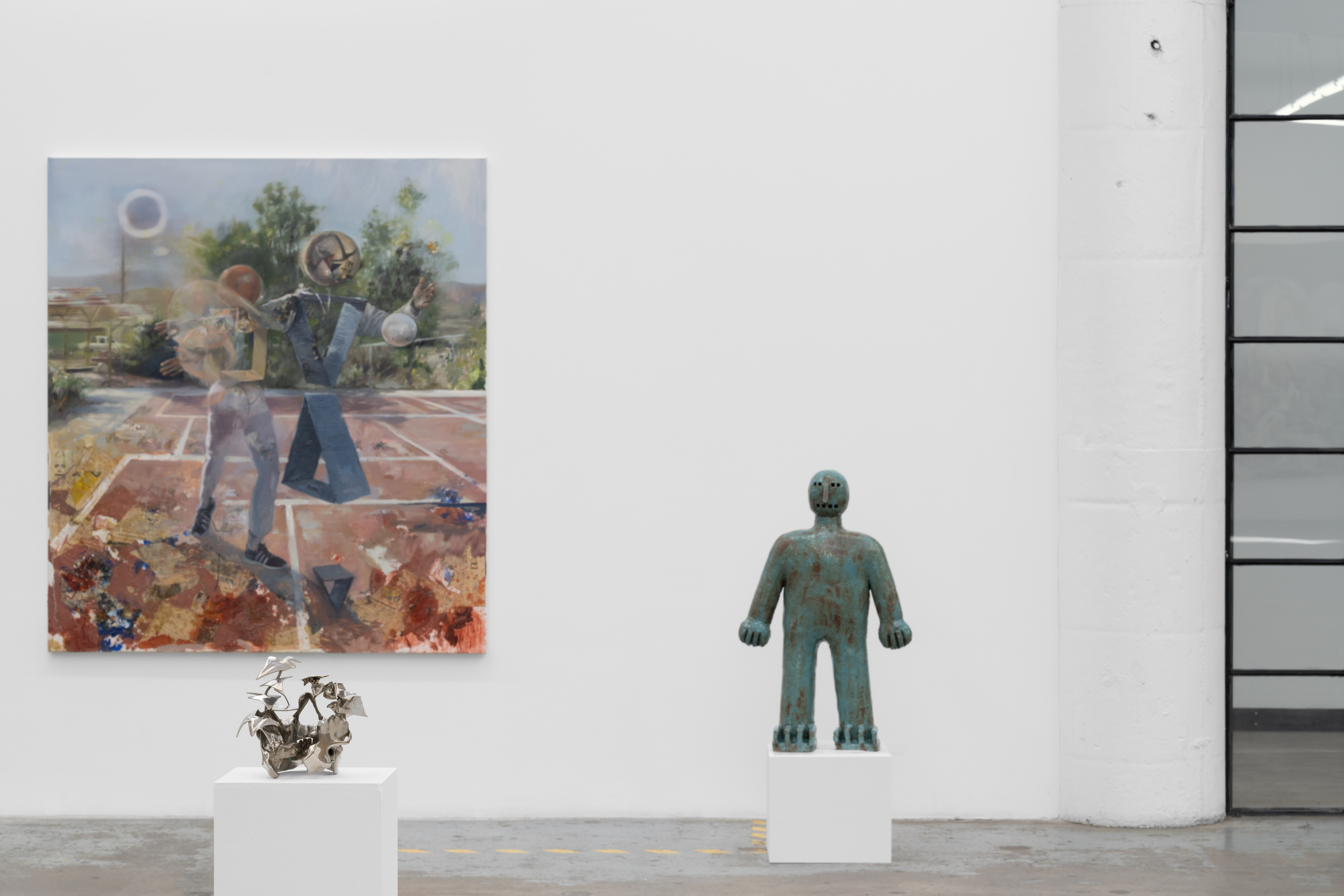
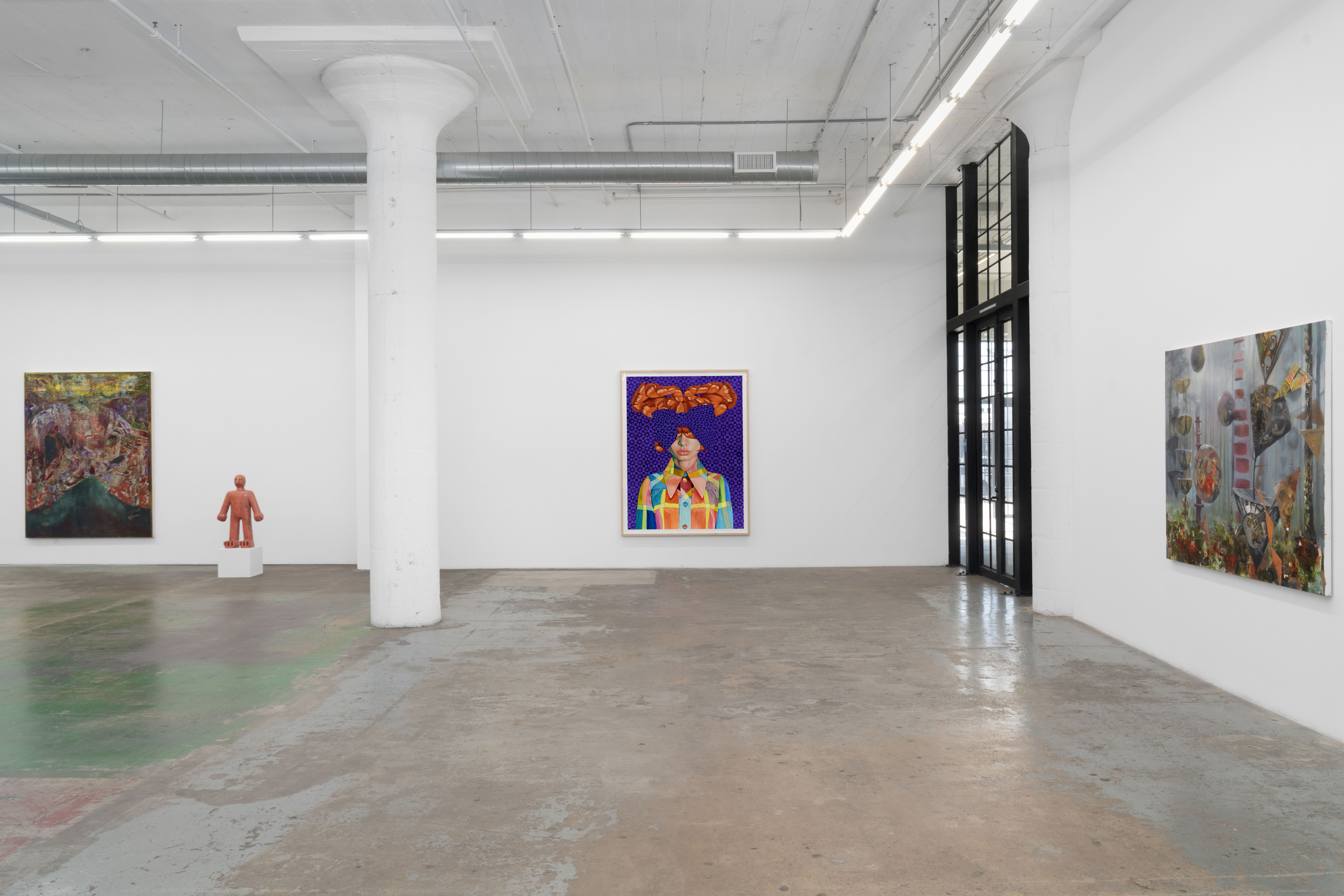
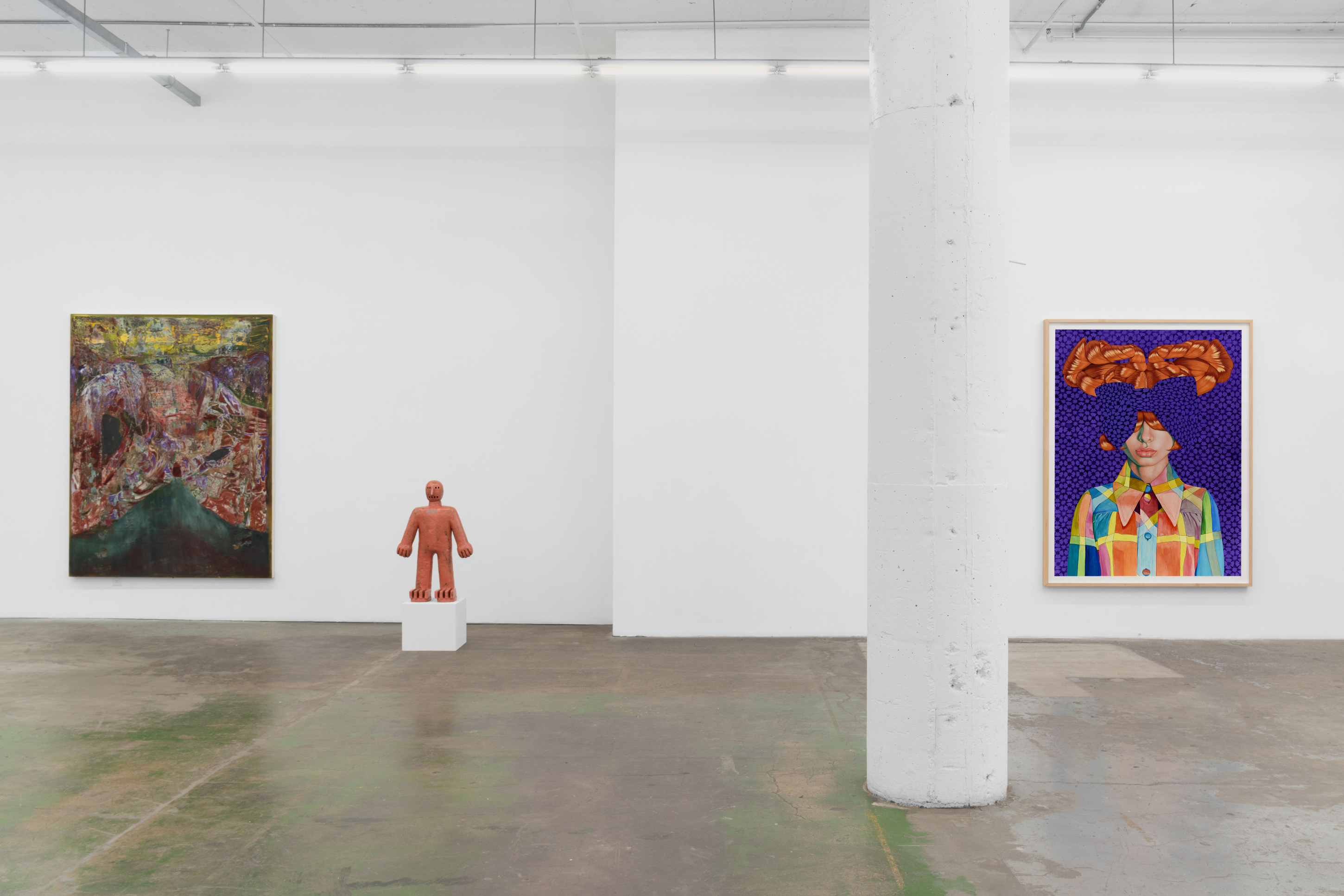
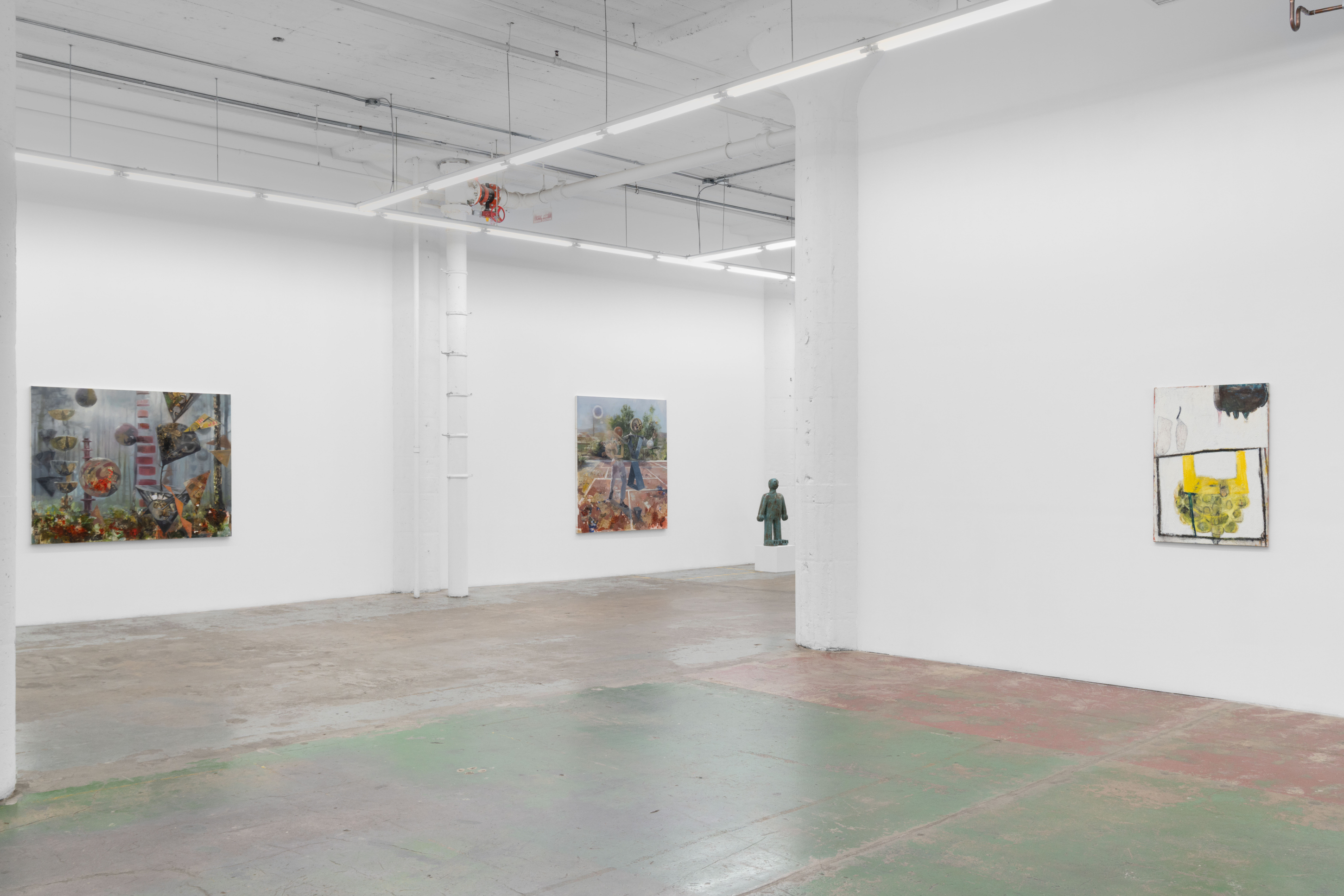
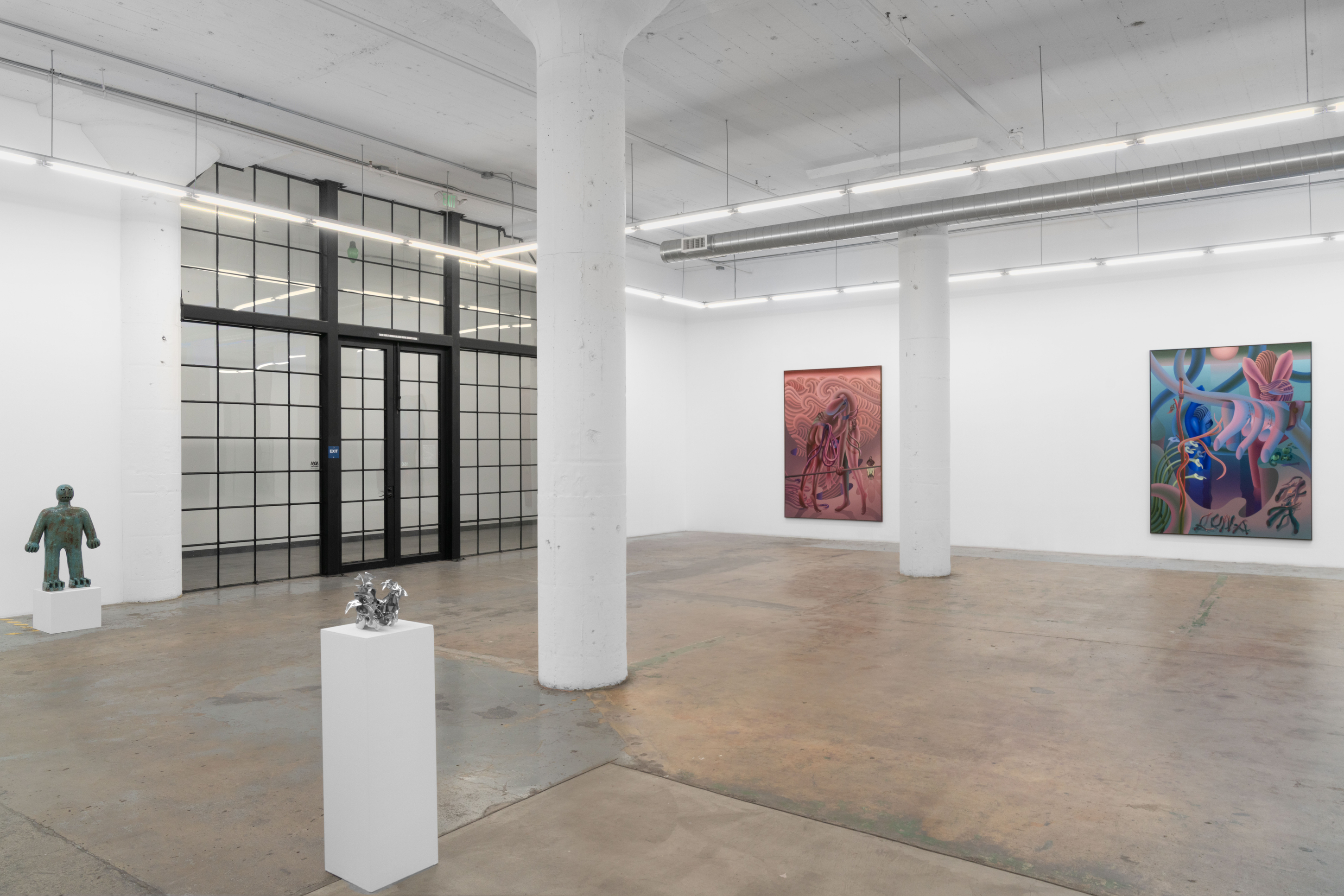
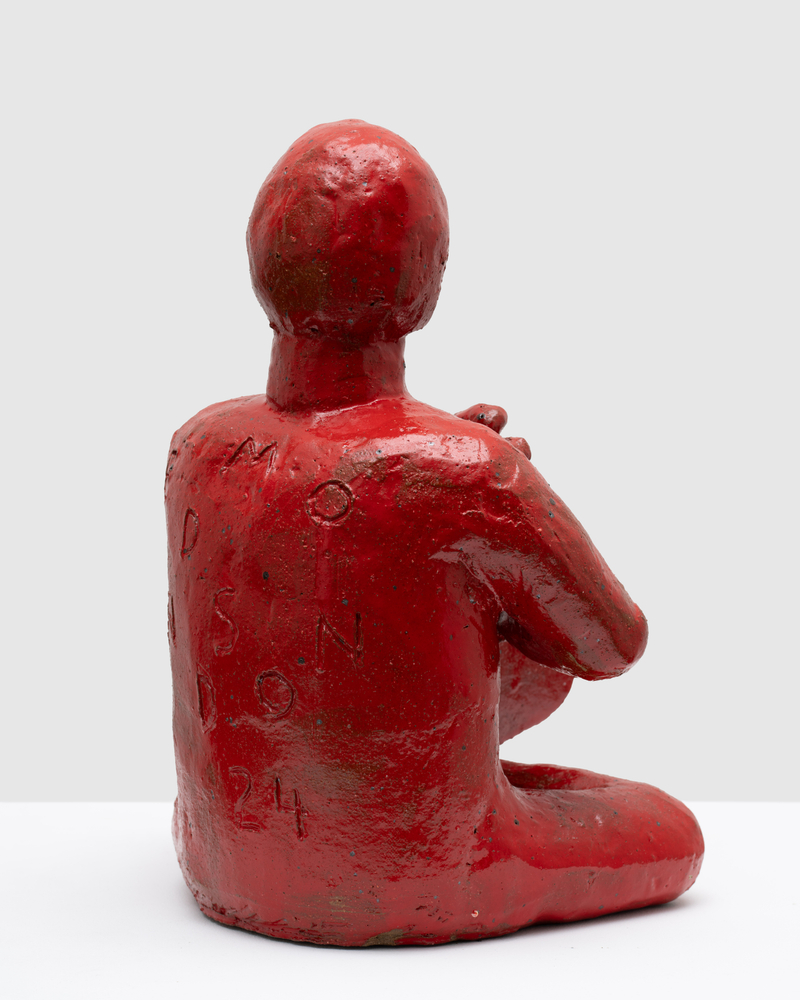
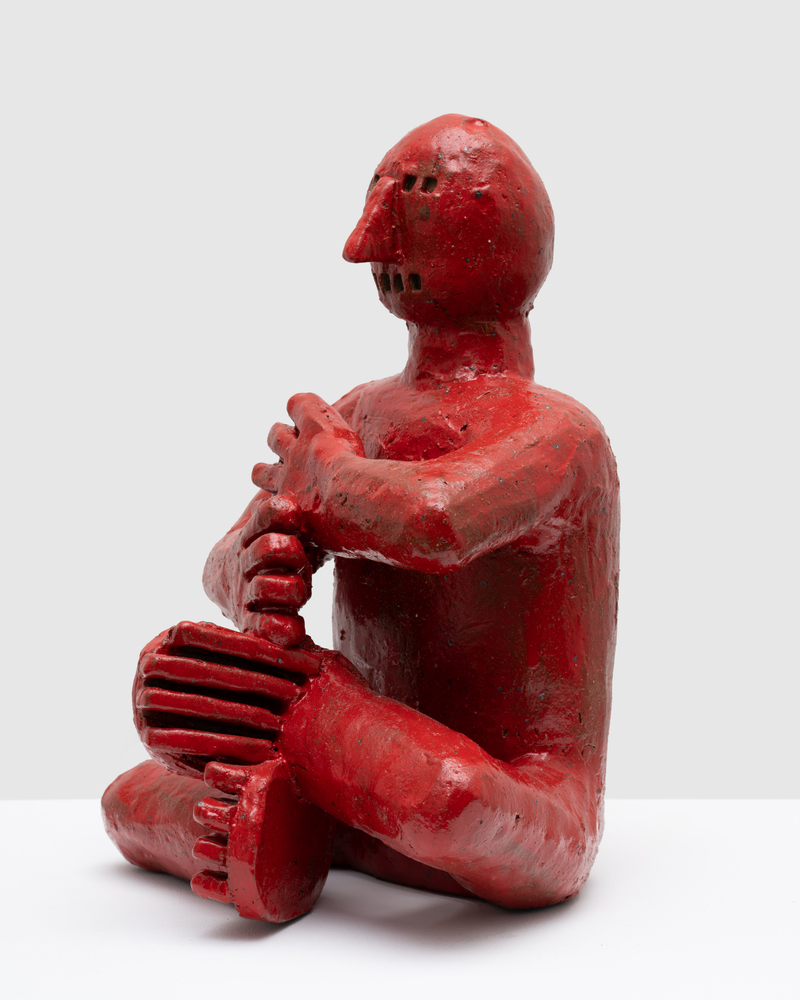
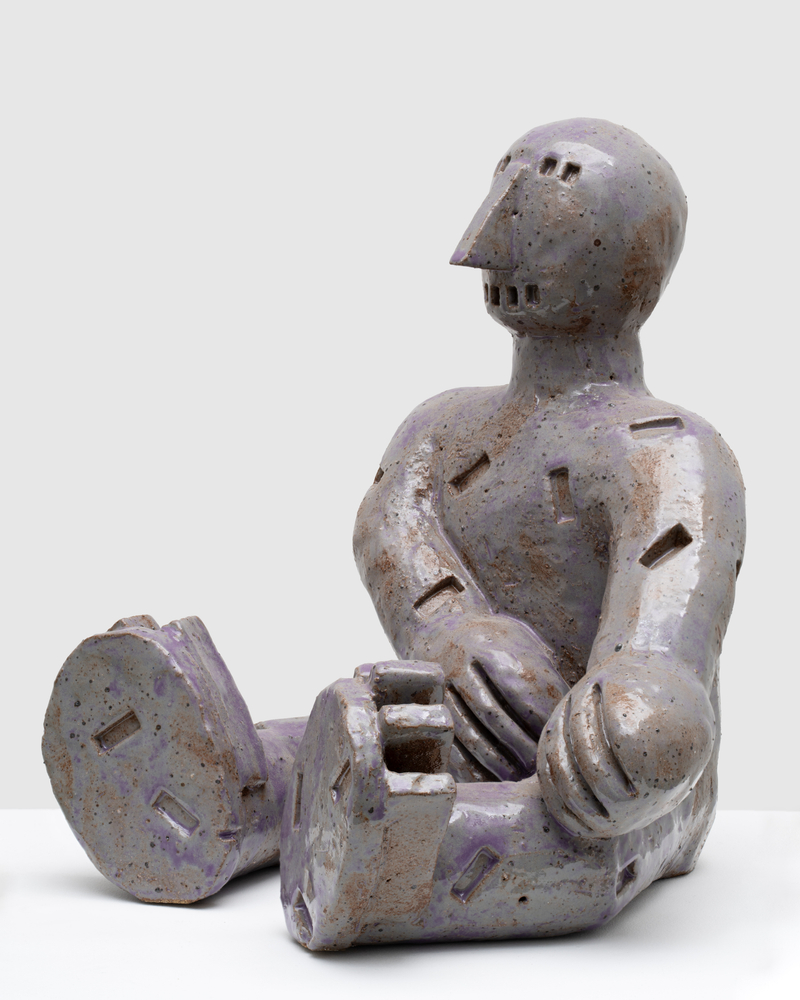
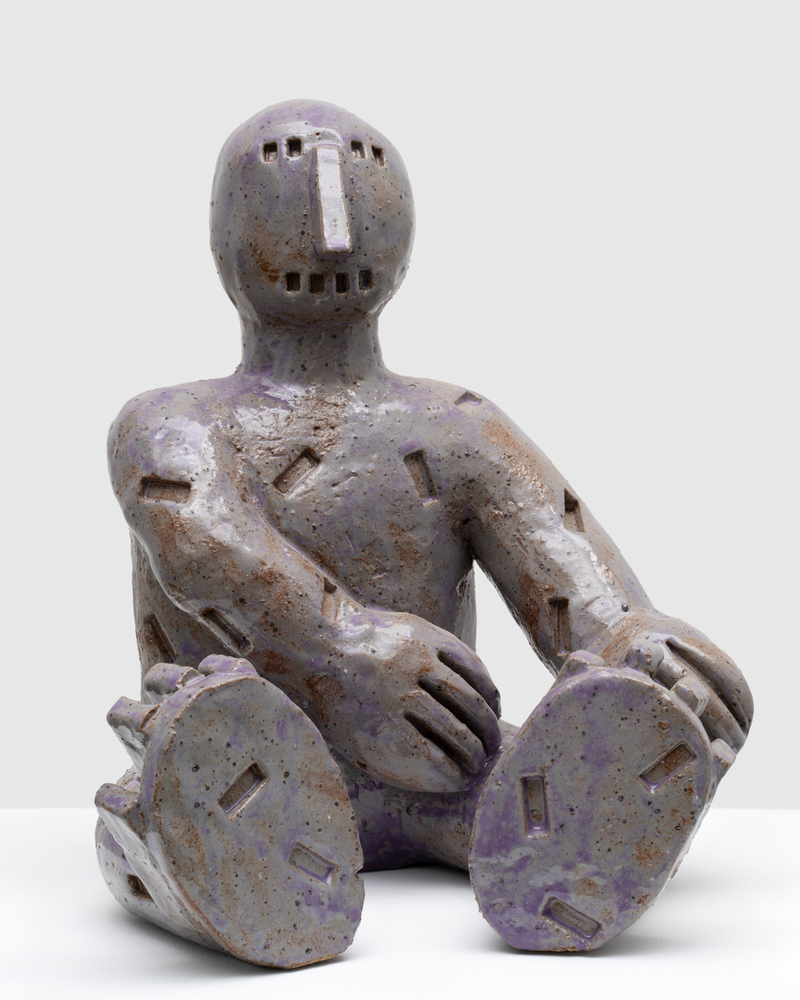
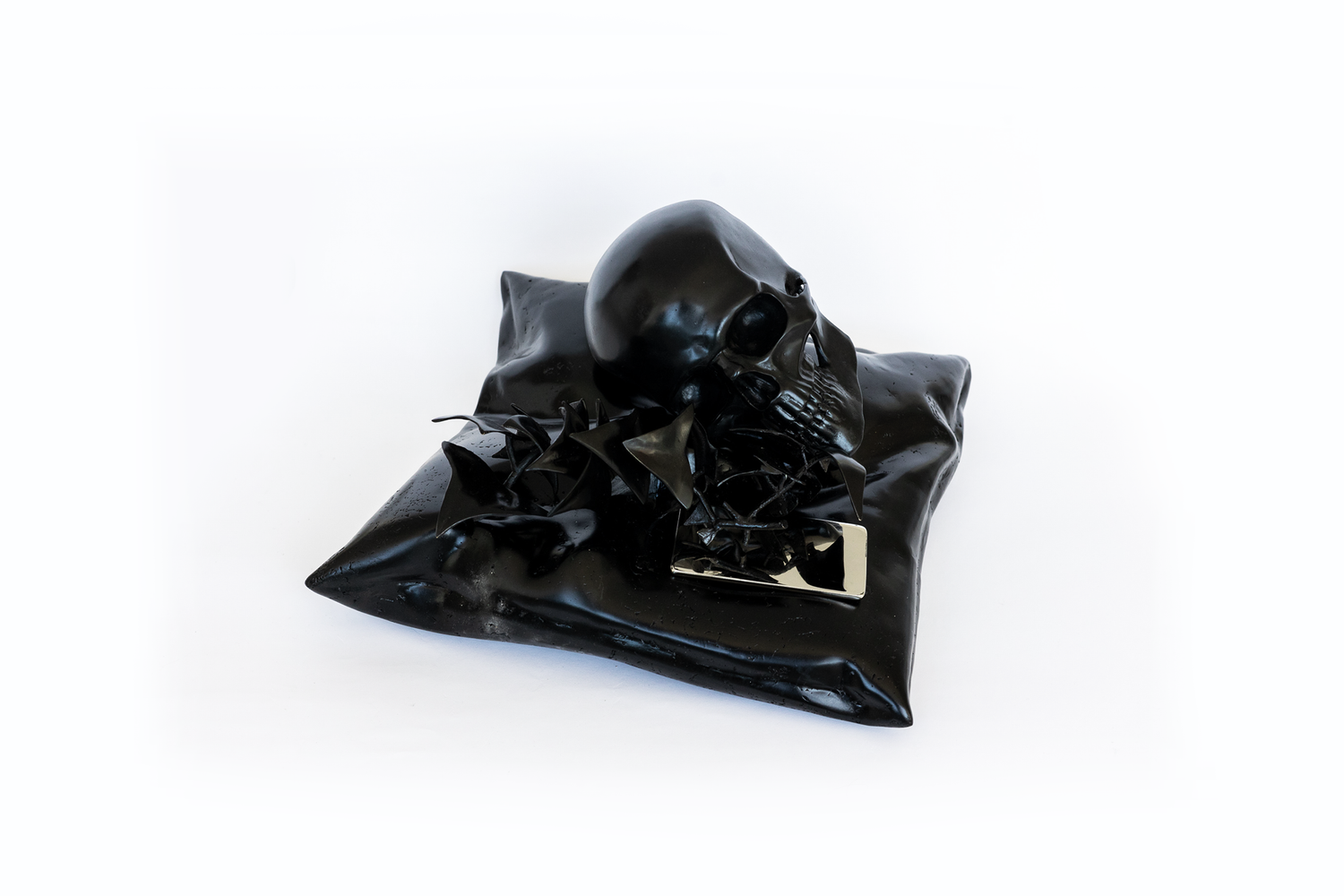
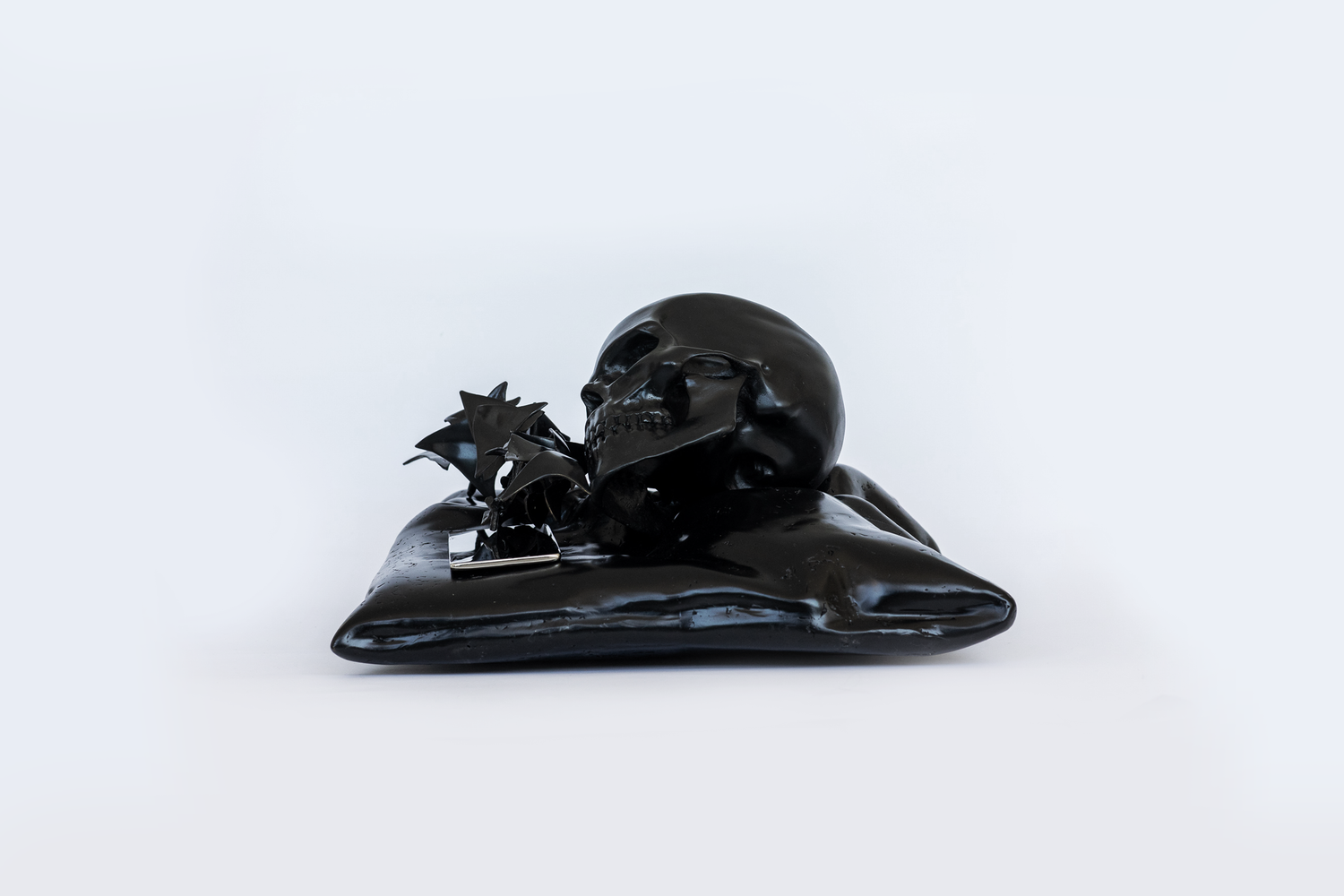
Something is wrong with the figures.
Not broken — altered.
They lean too far forward.
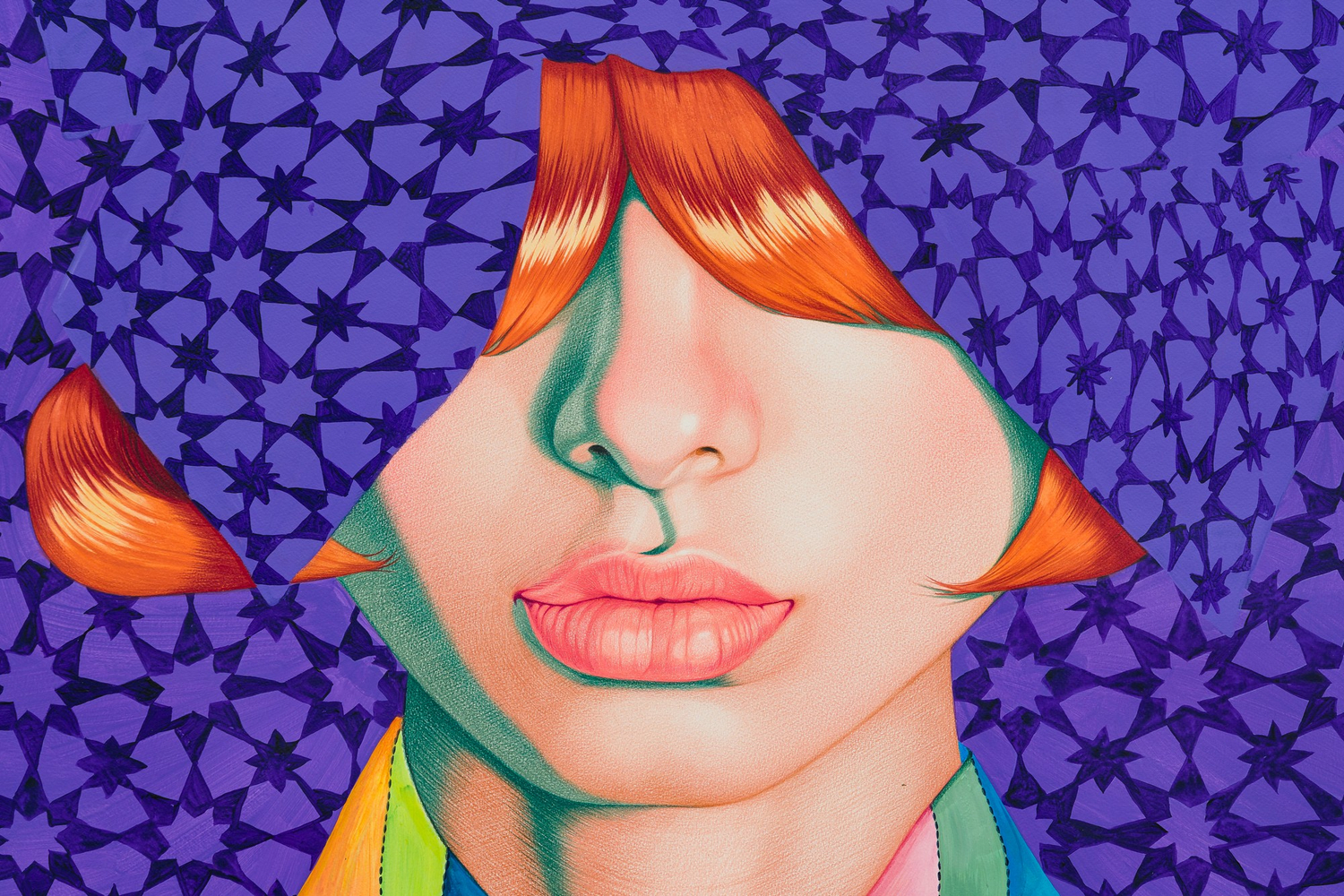
Their faces hesitate.
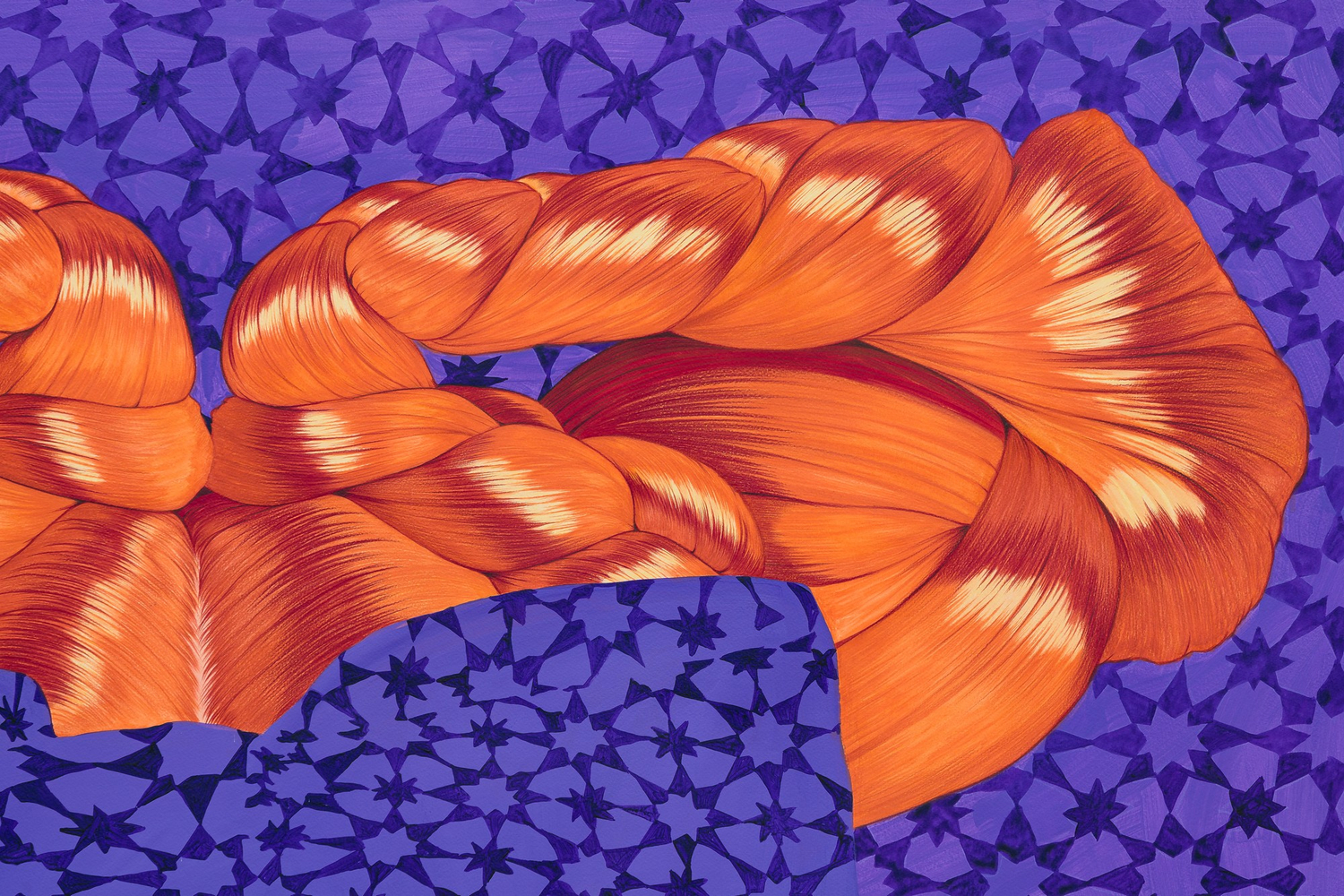
Their skin behaves like memory instead of matter.
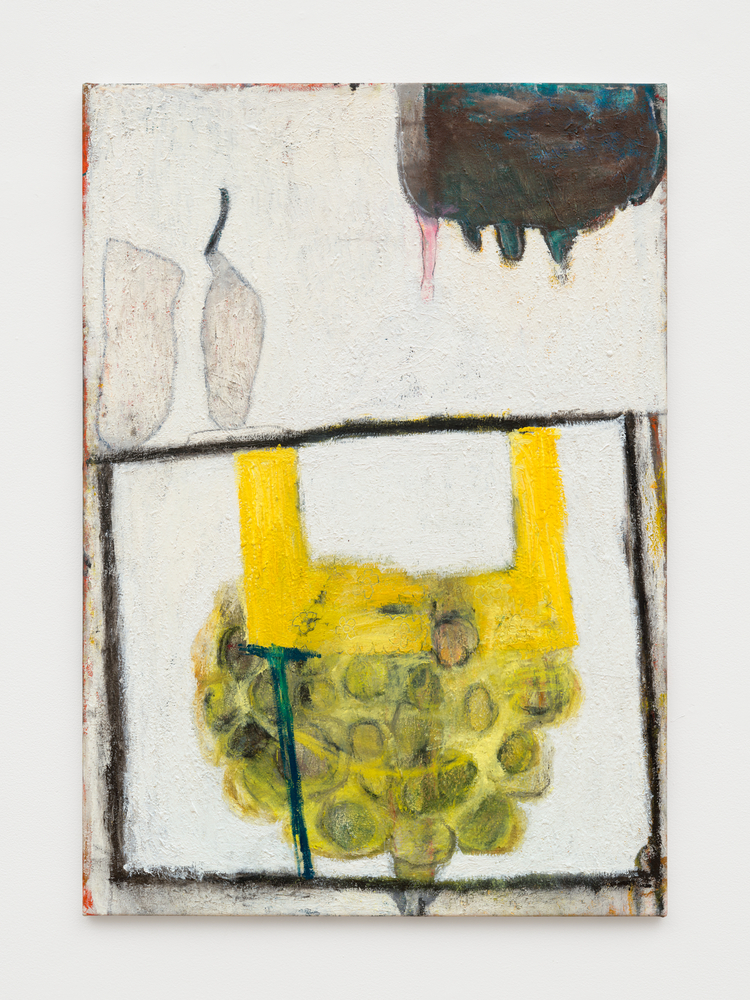
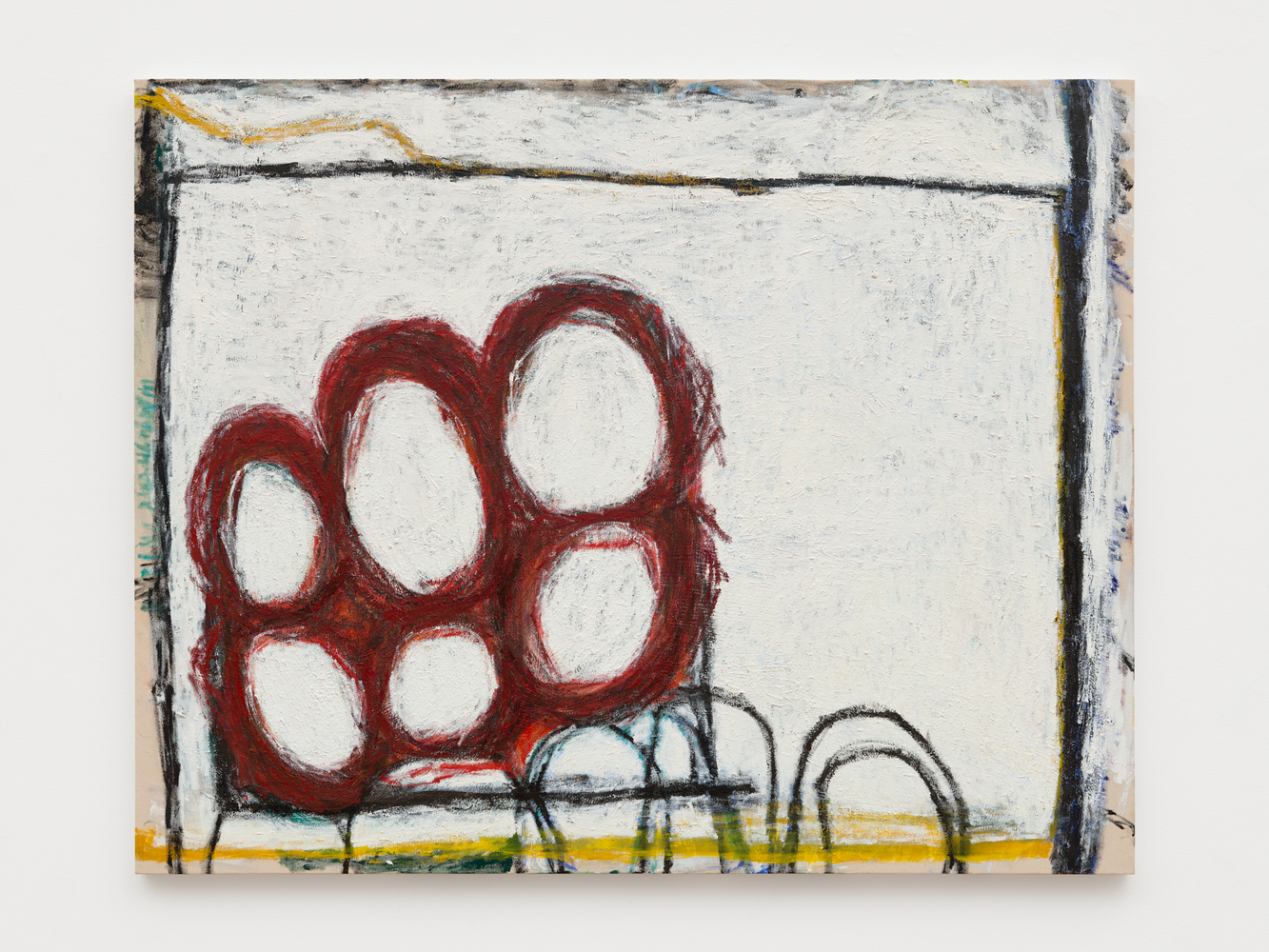
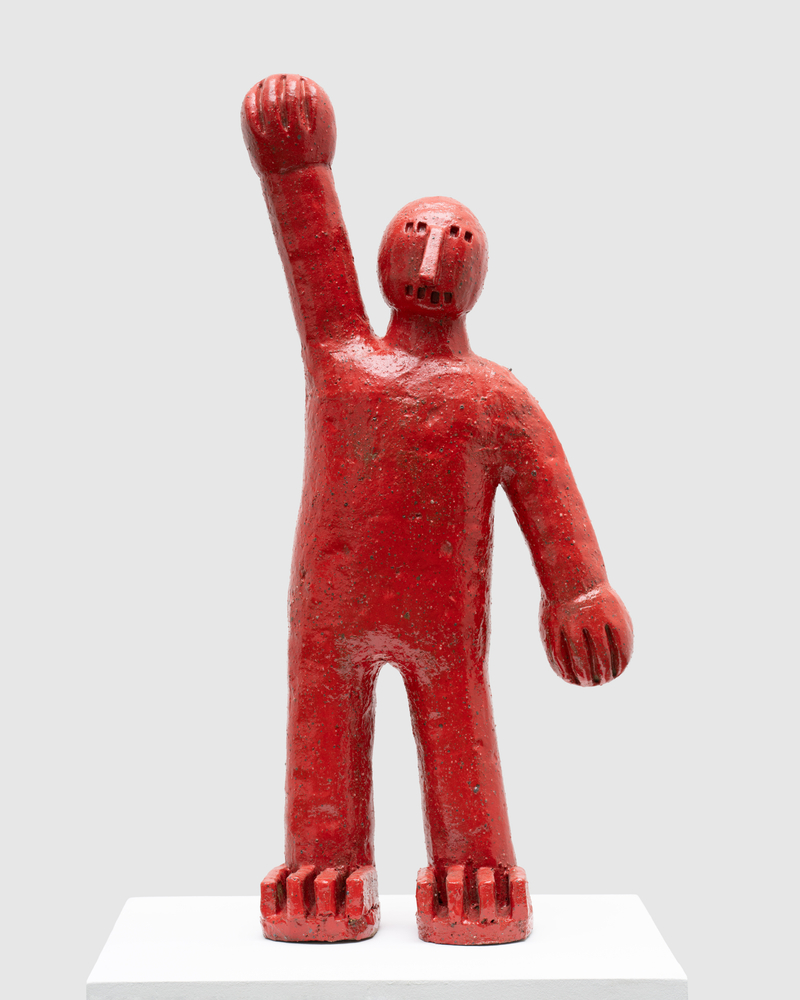
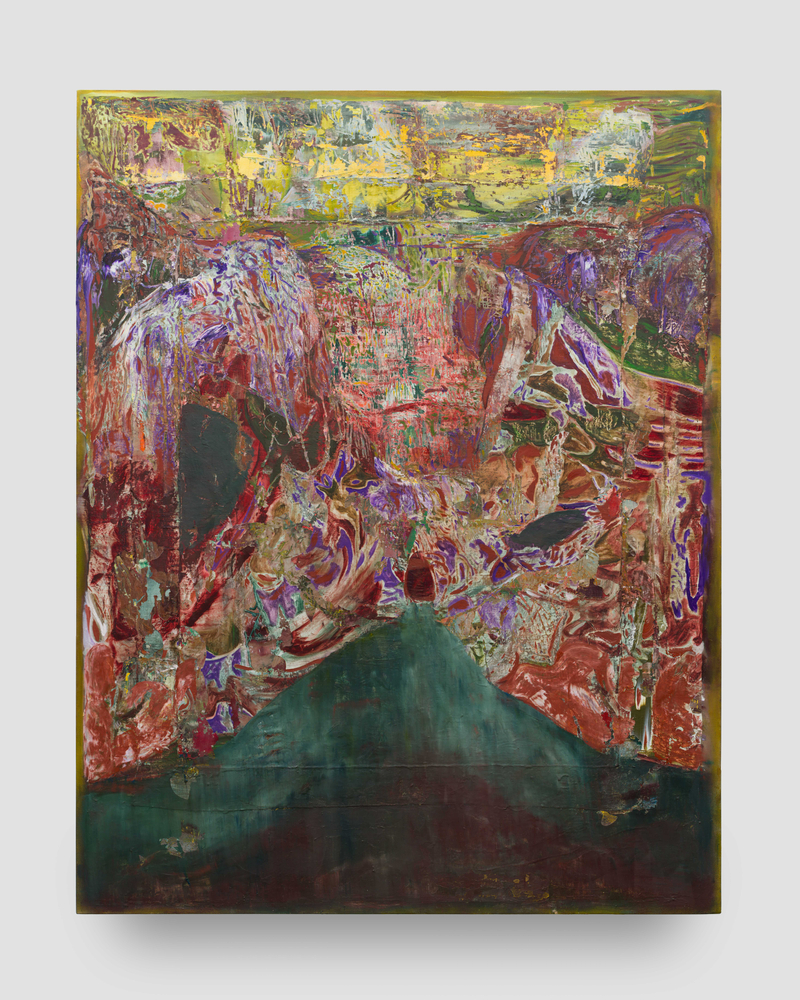
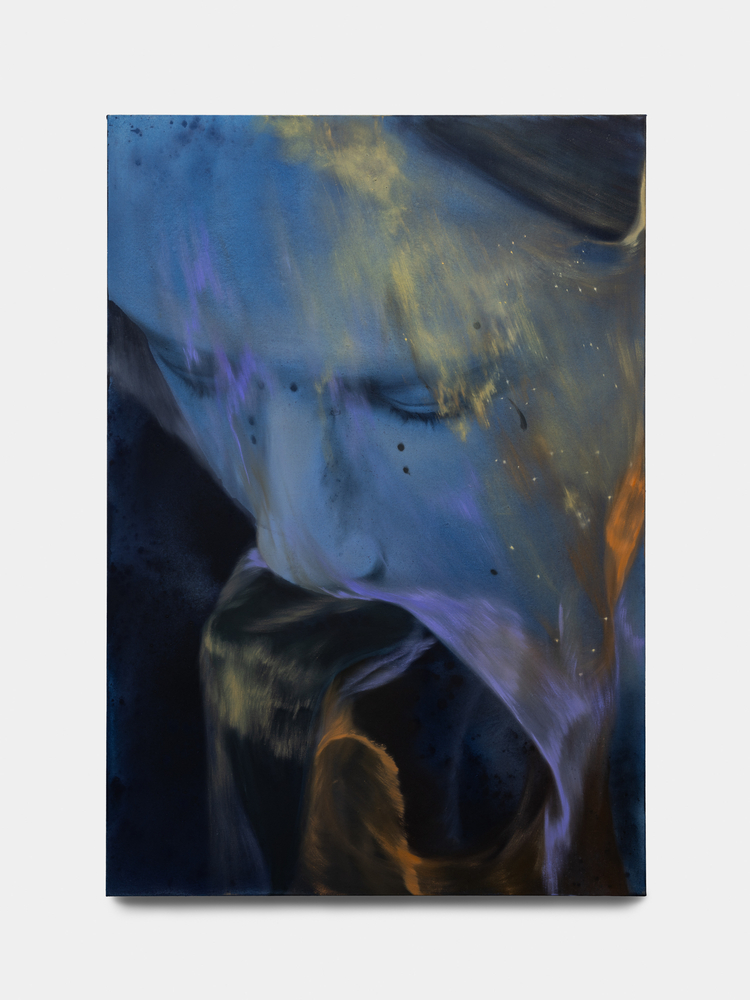
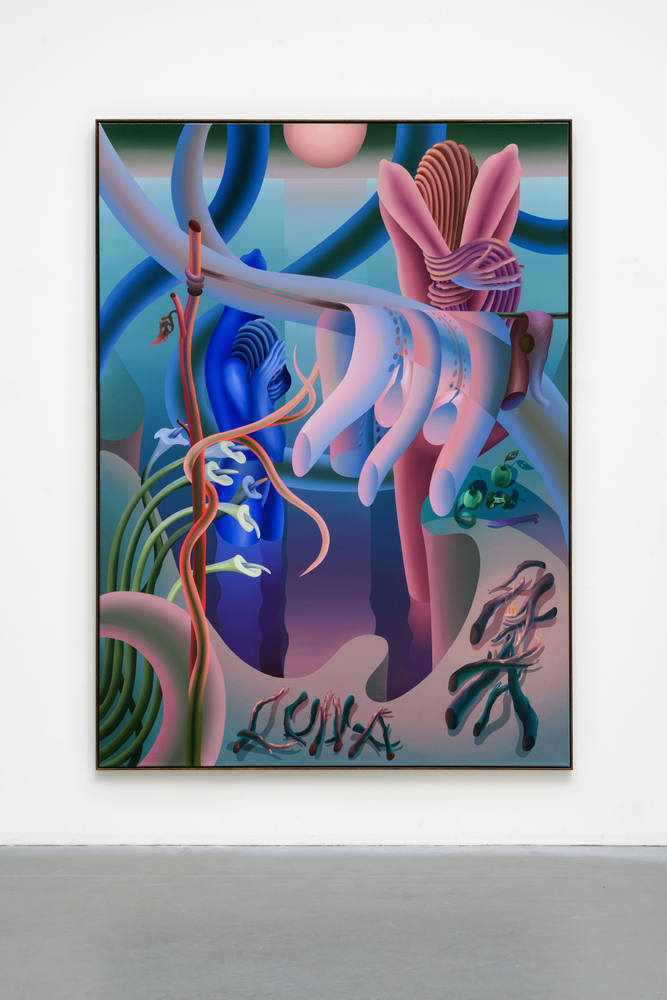
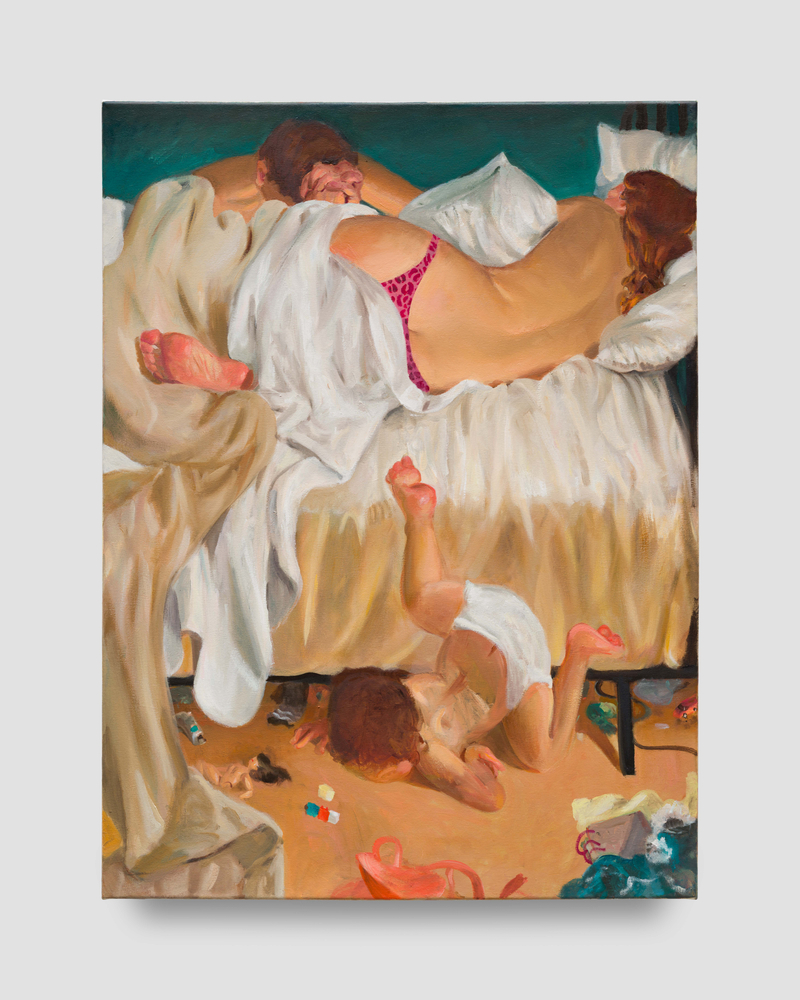
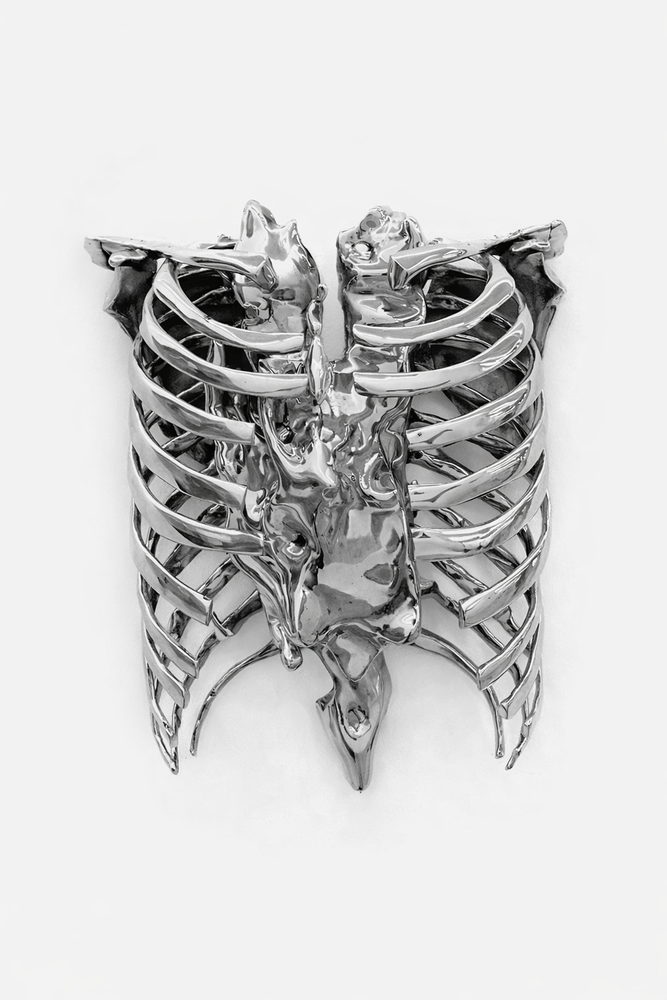
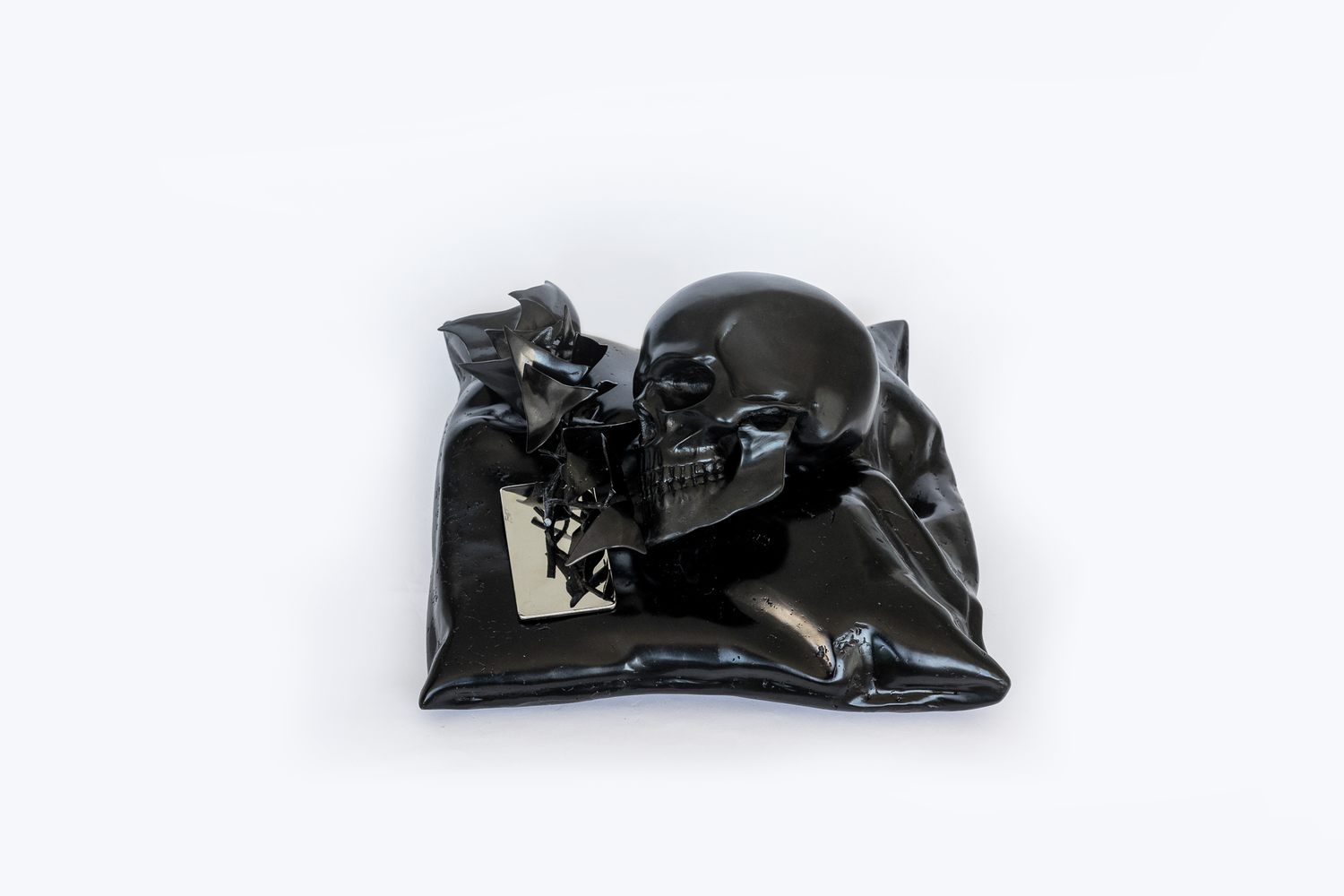
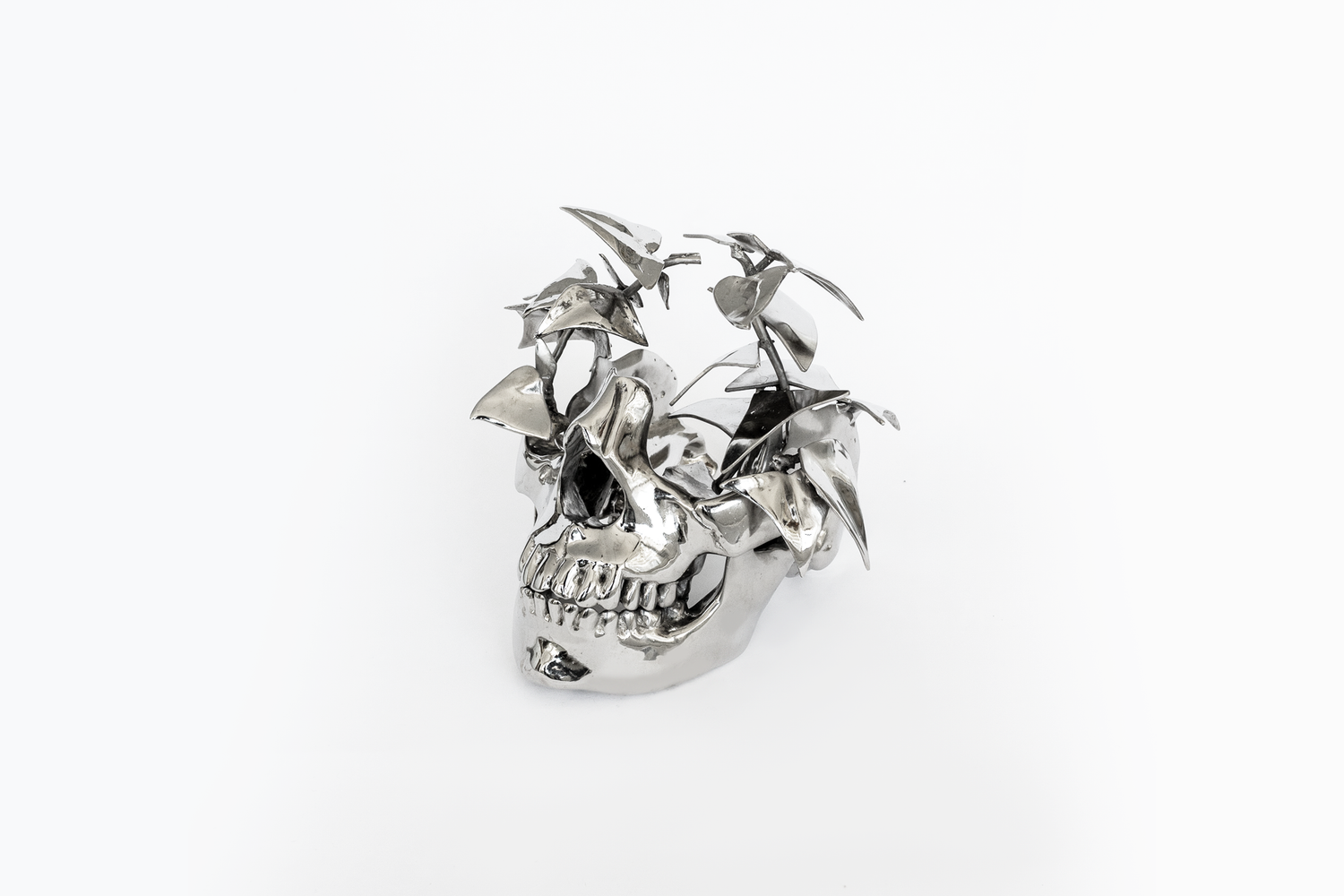
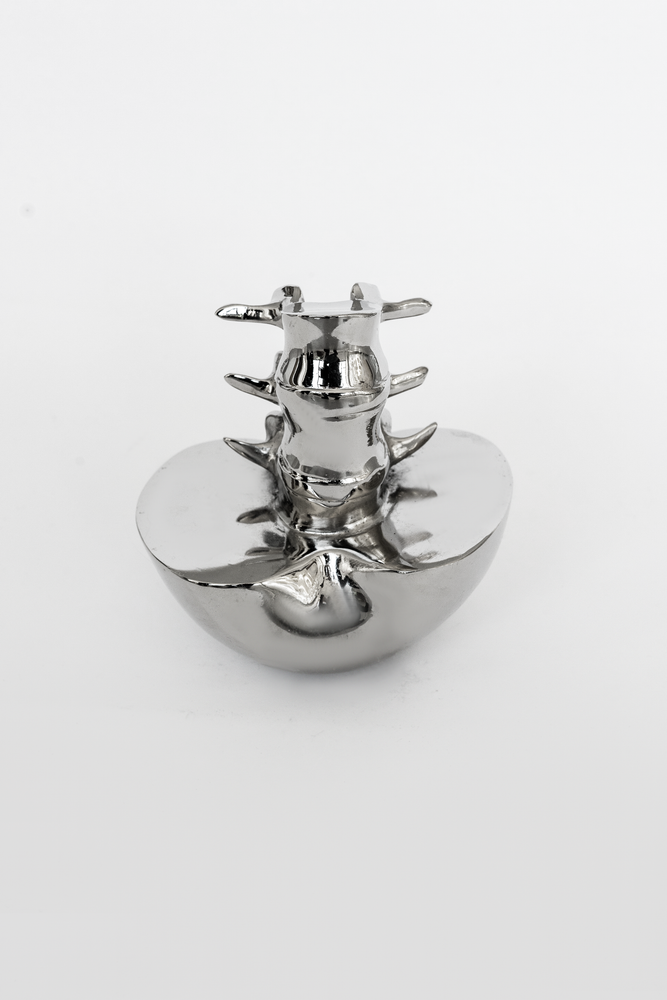
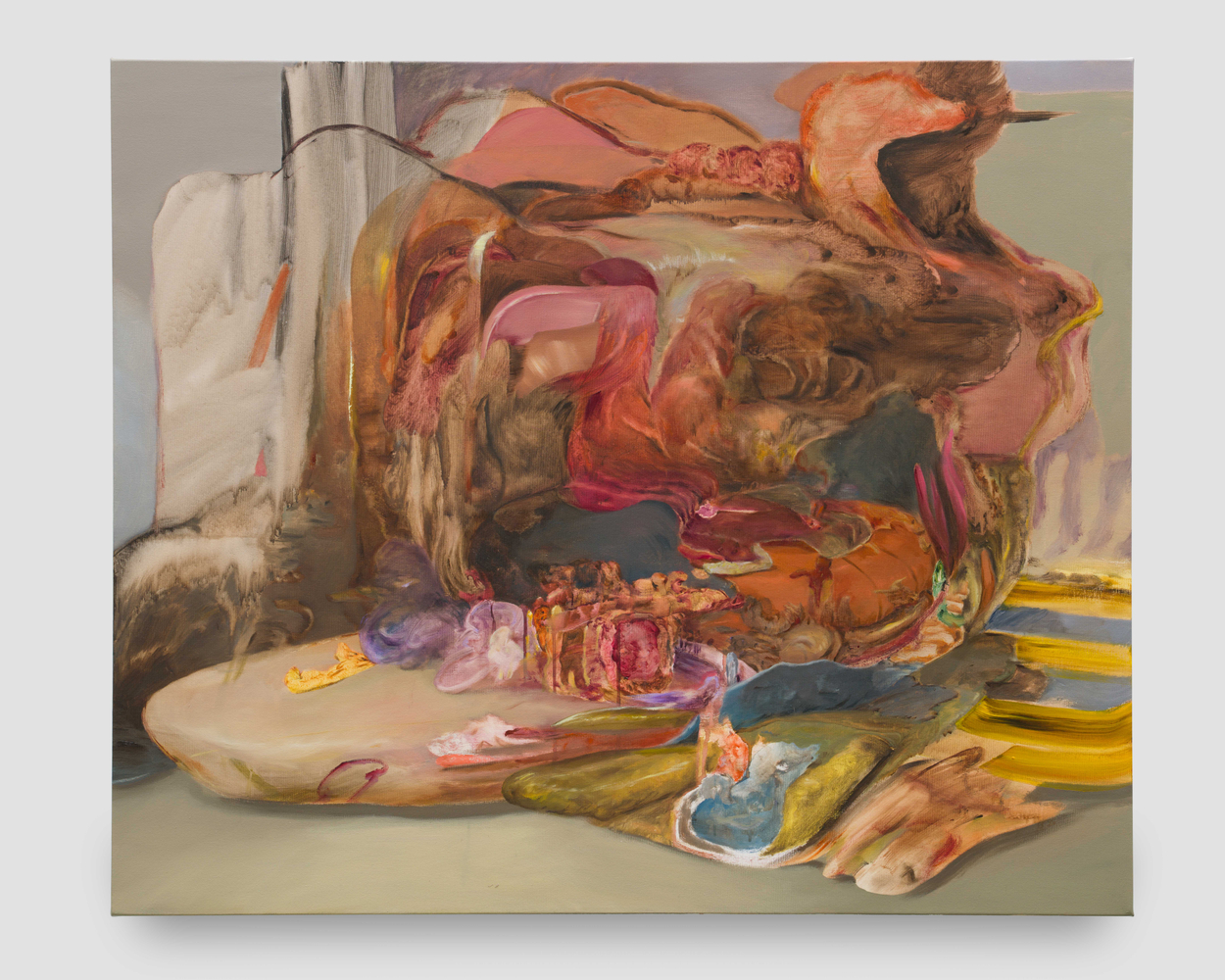
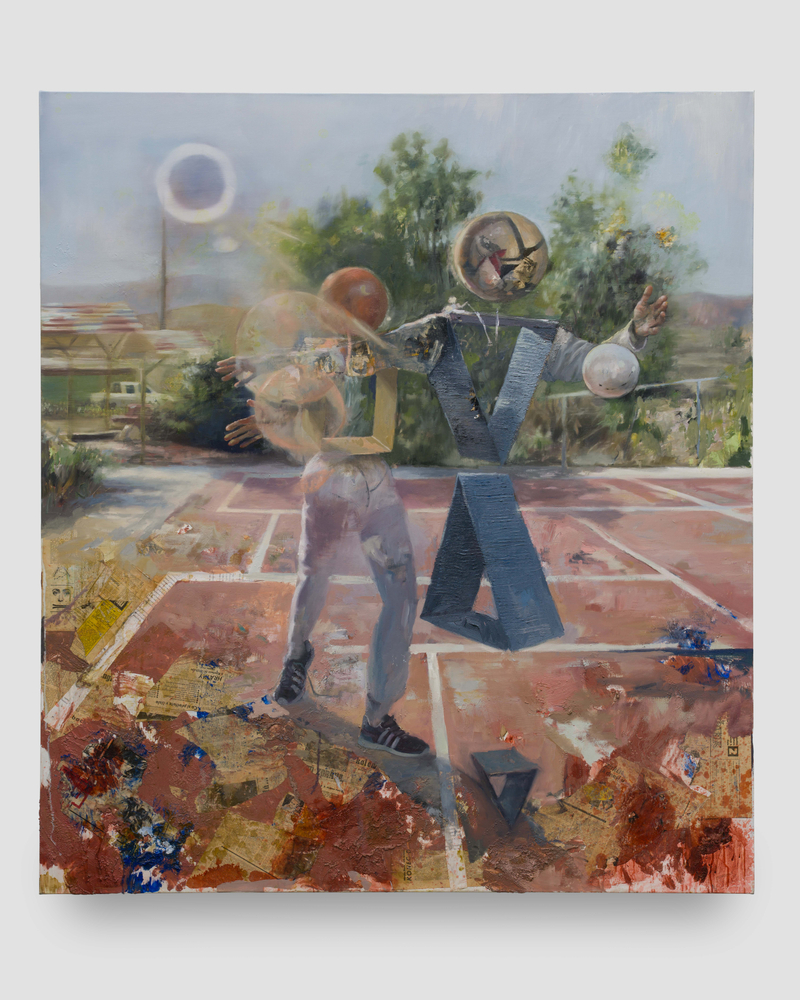
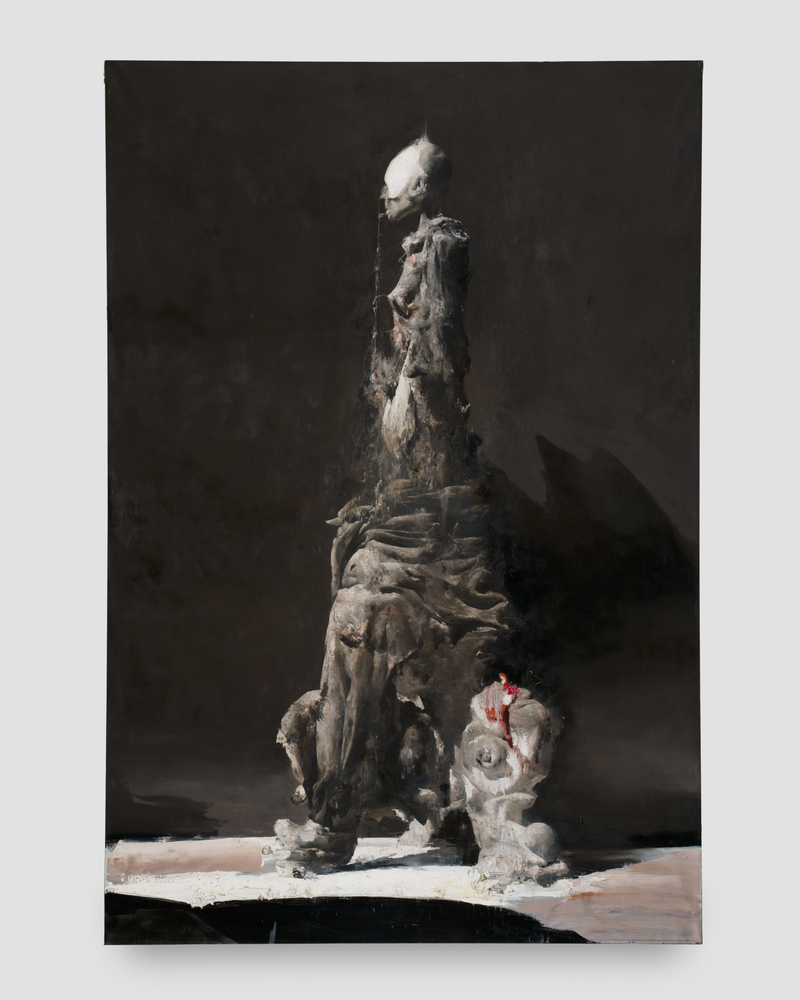
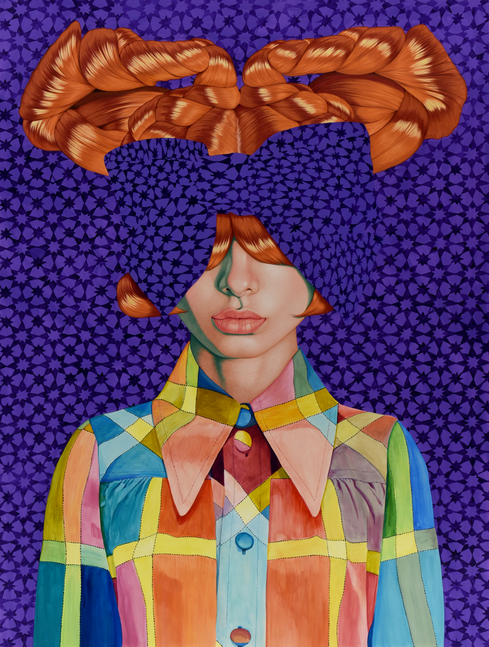
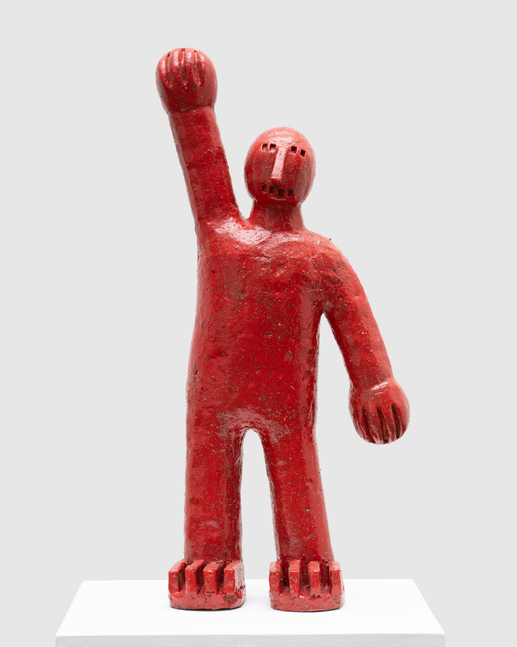
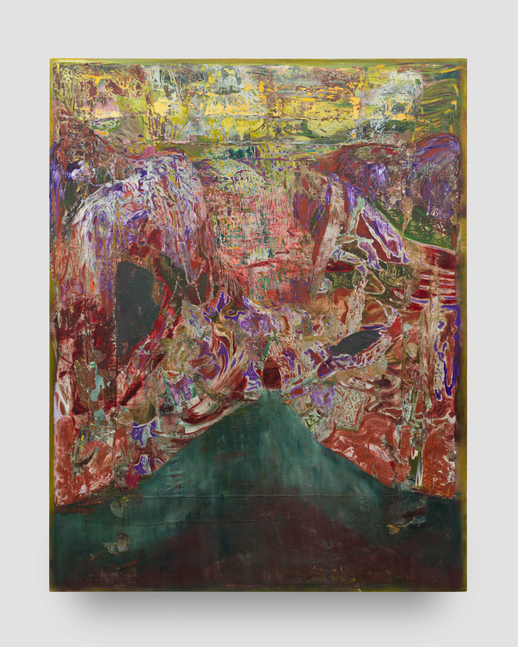
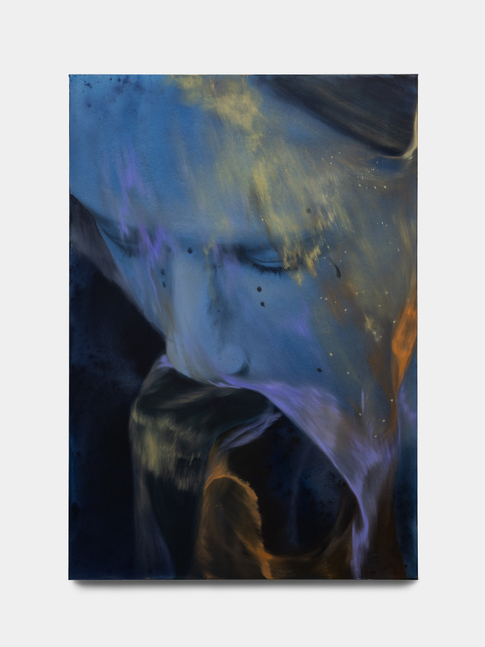
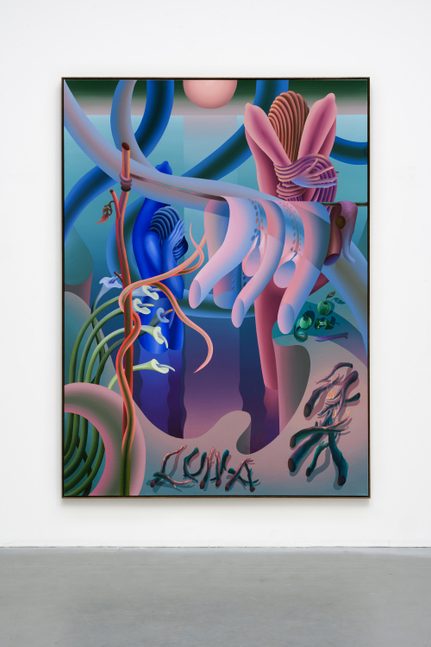
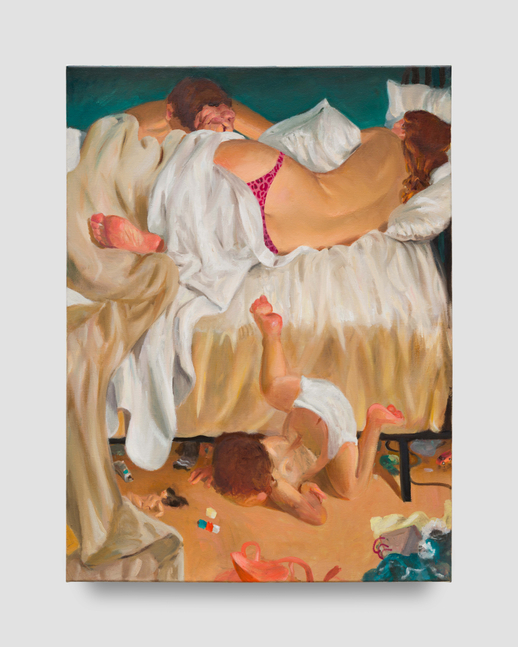
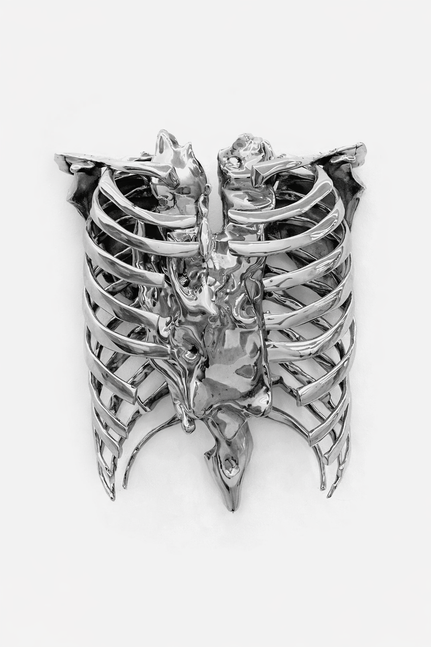
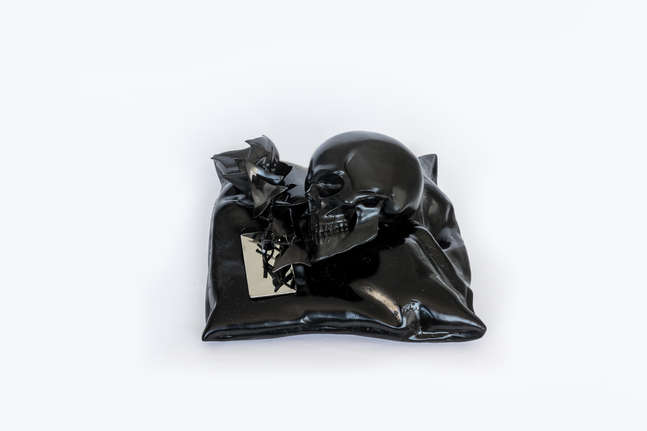
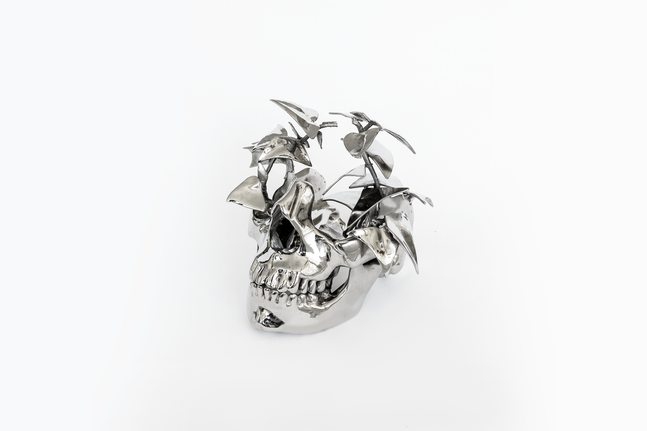
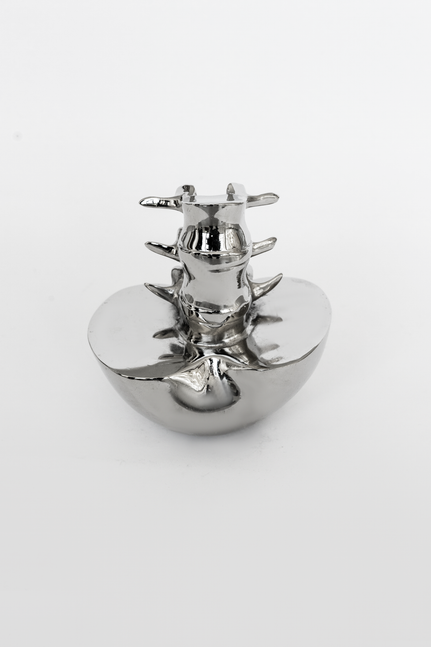
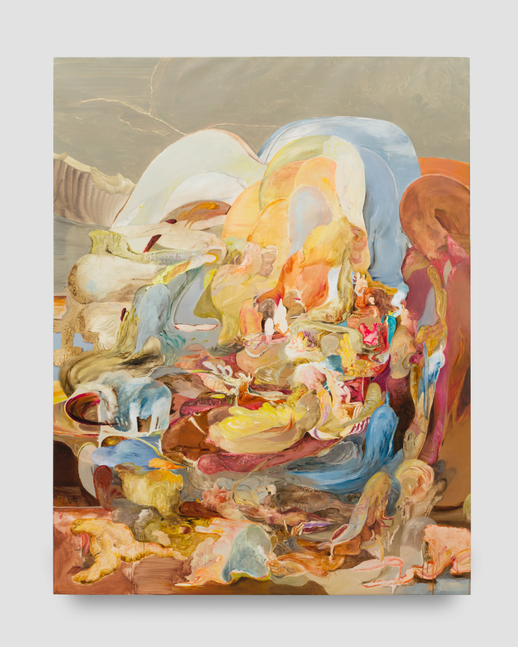
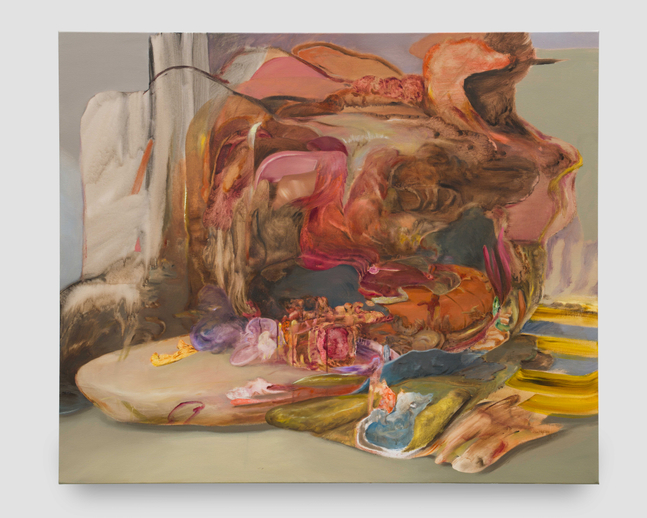
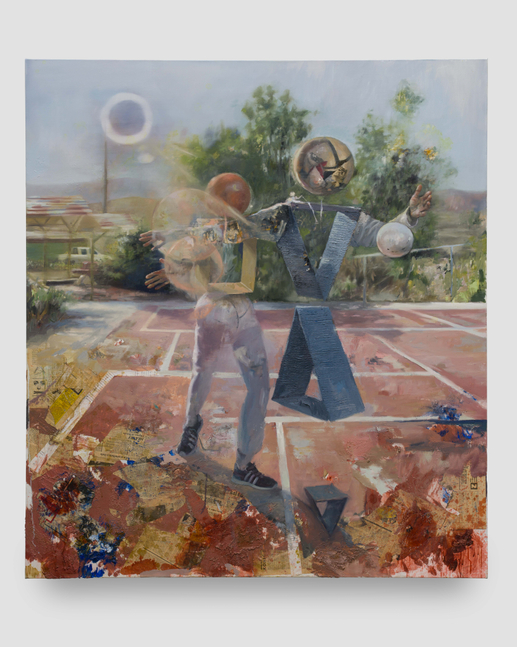
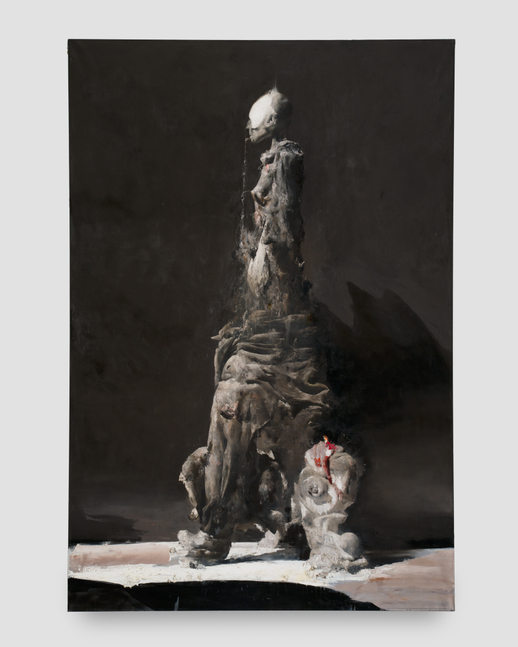
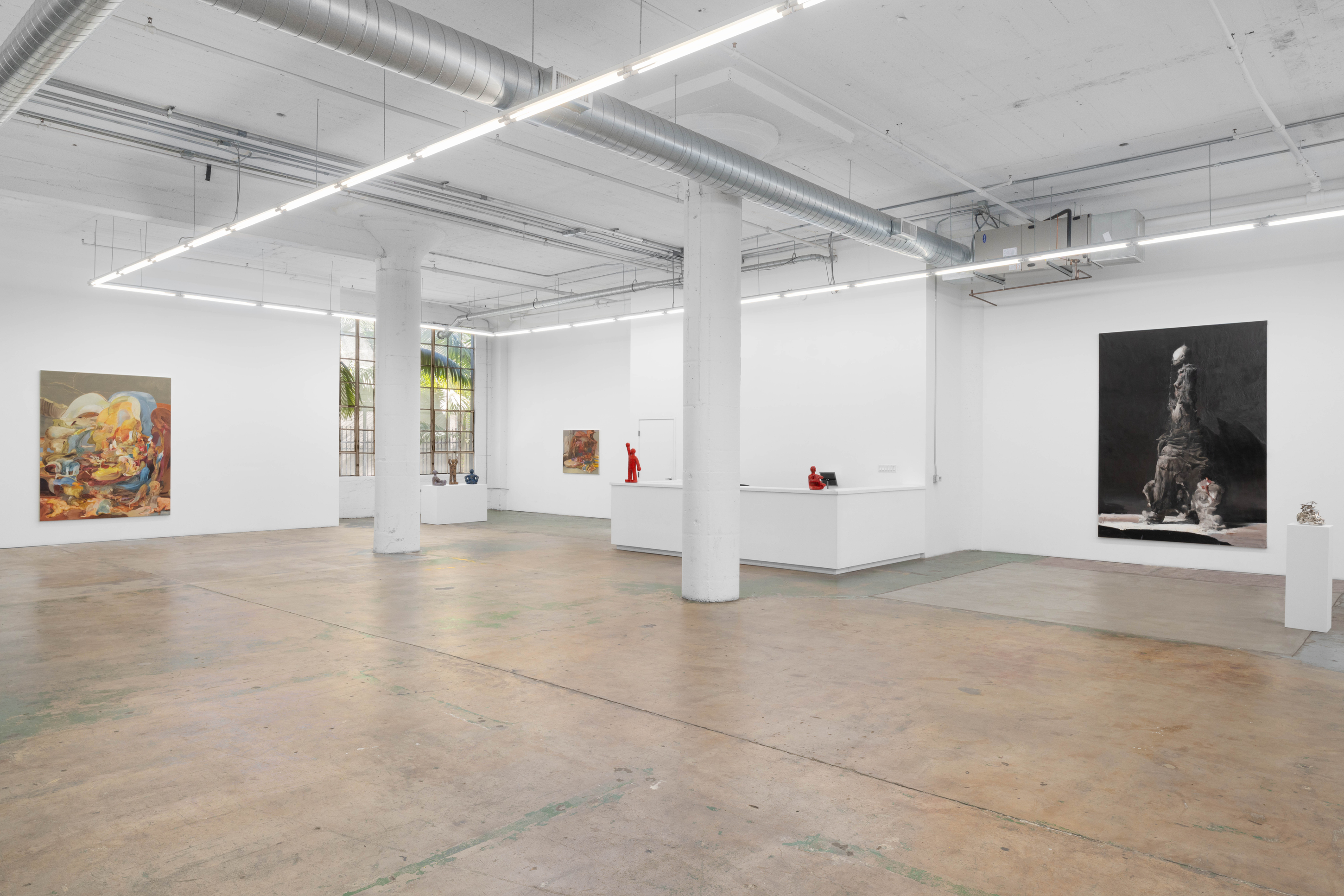
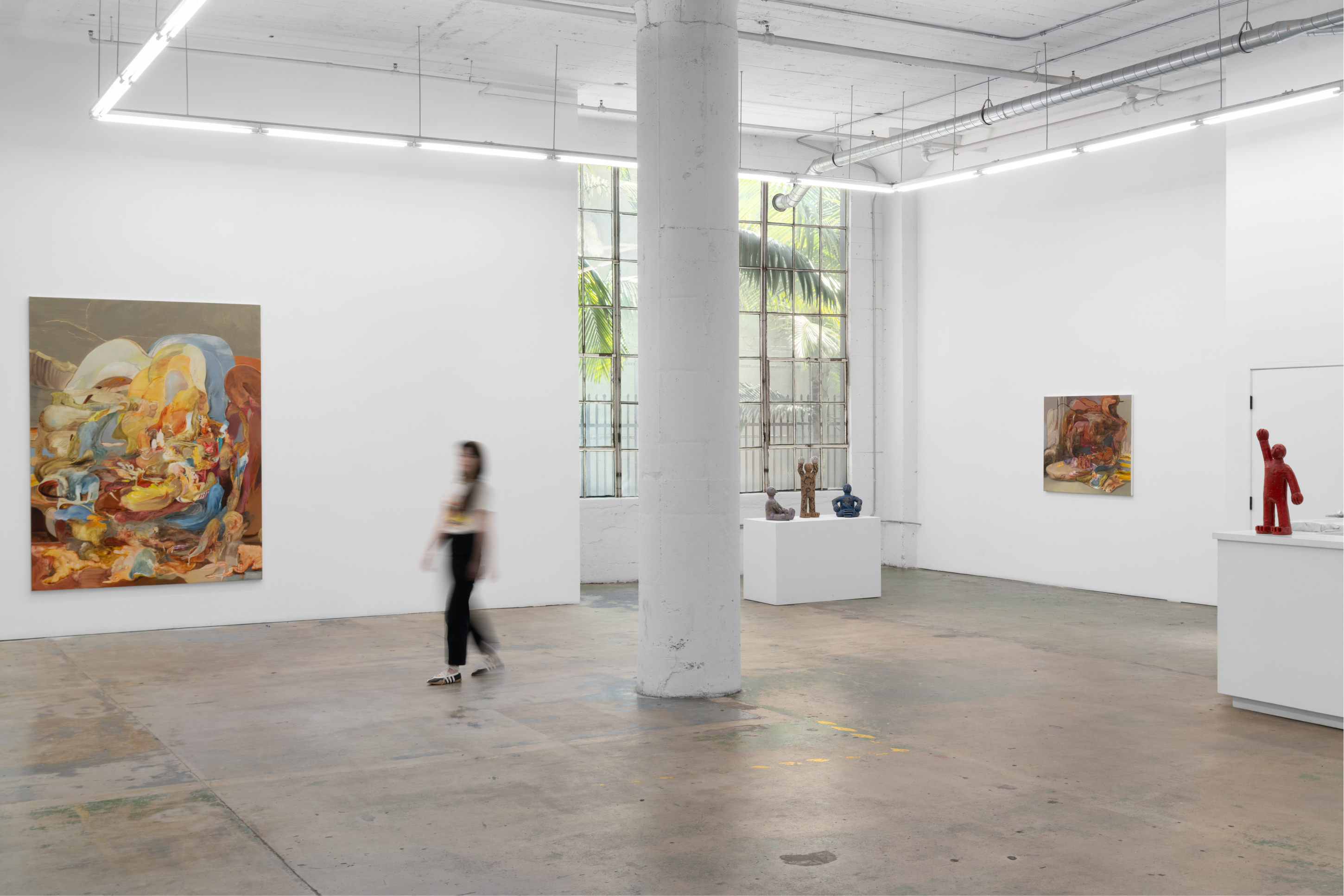
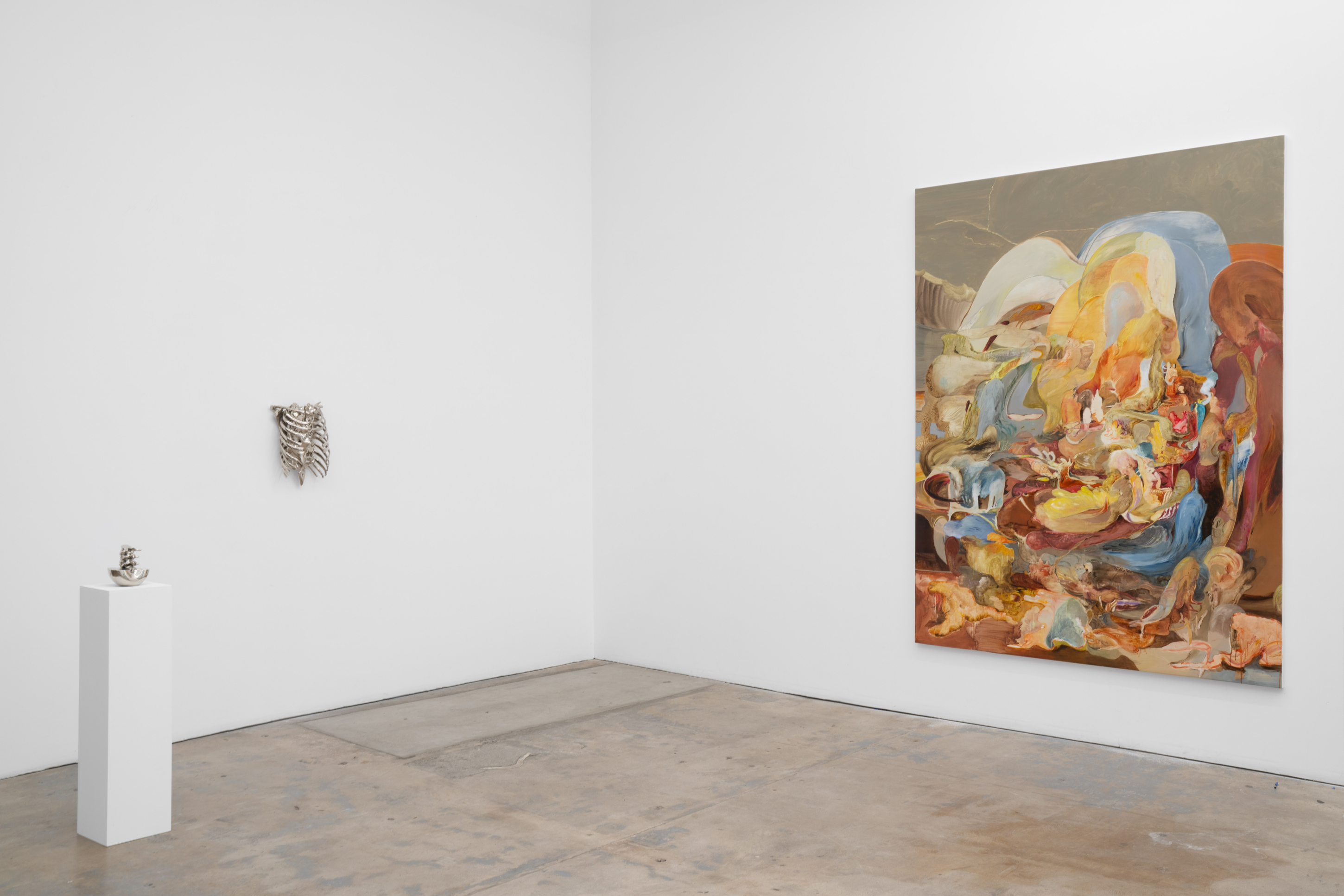
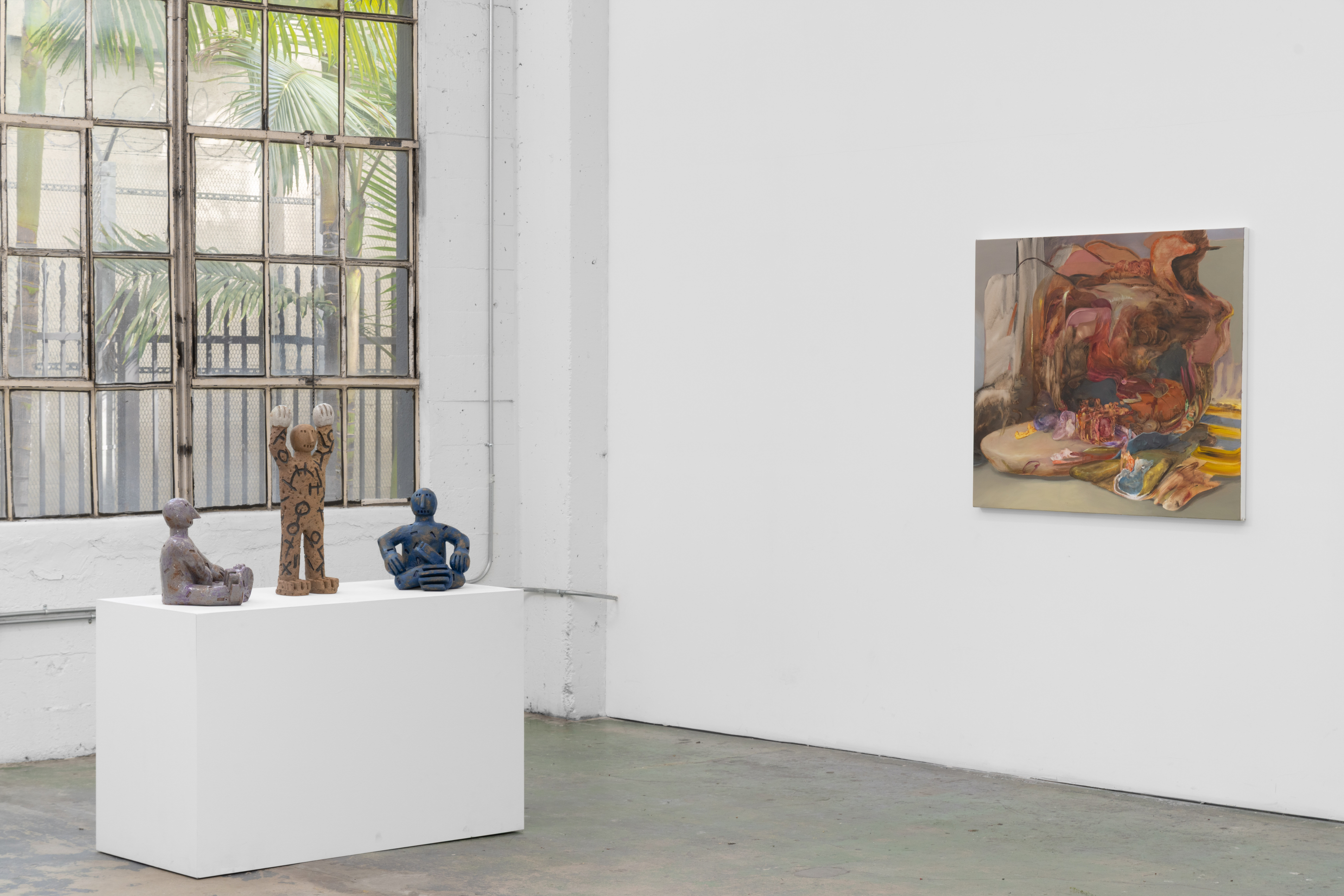
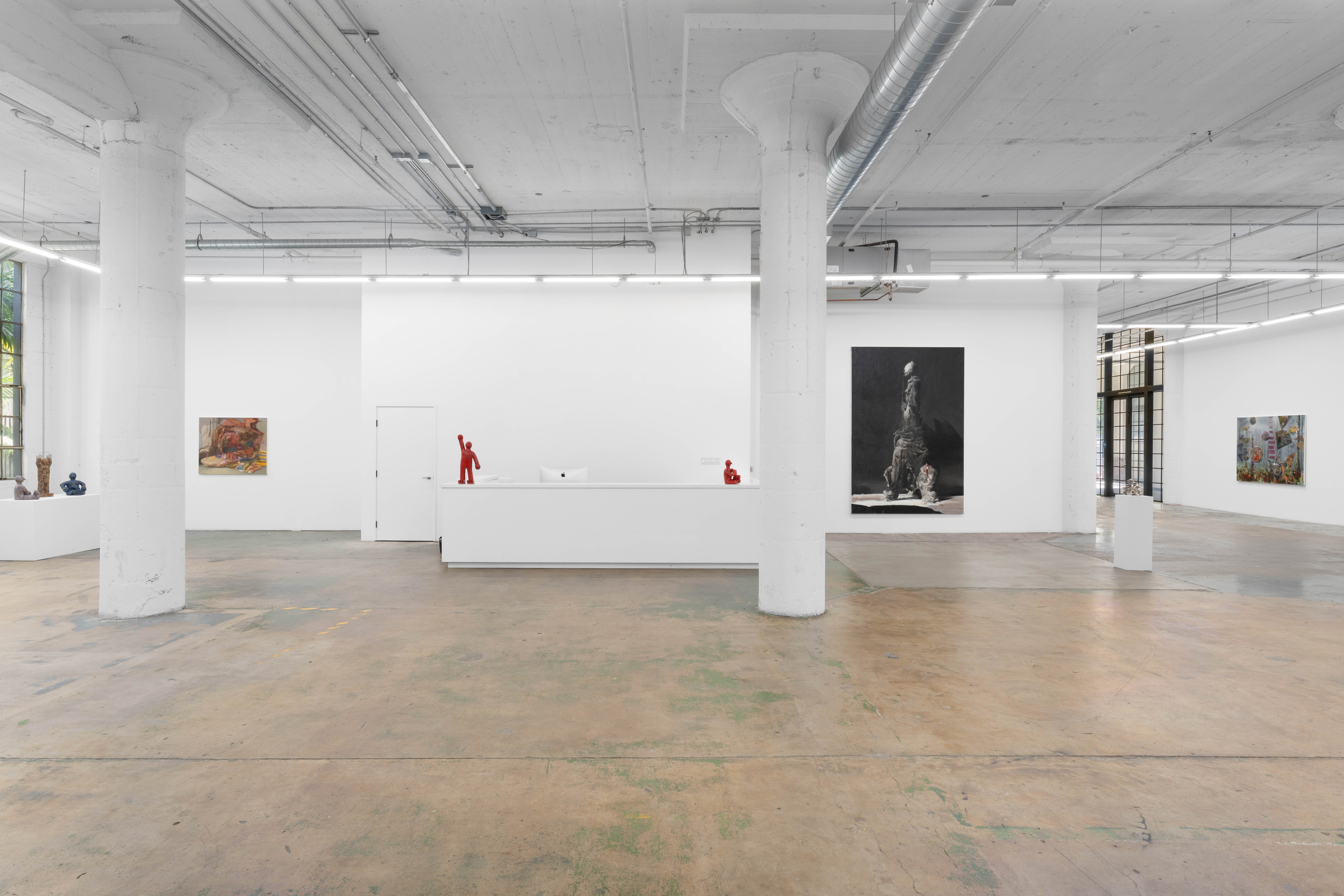
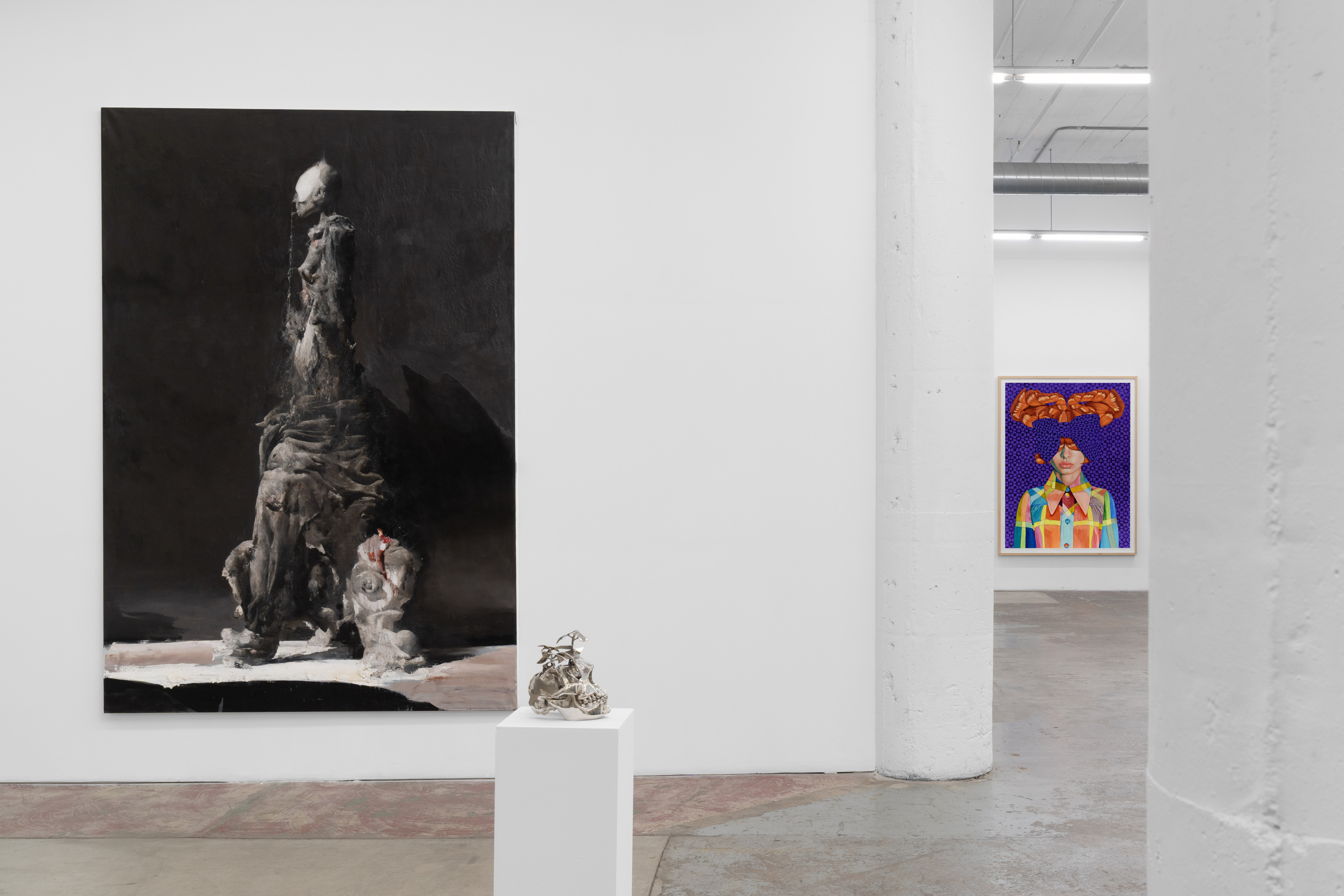
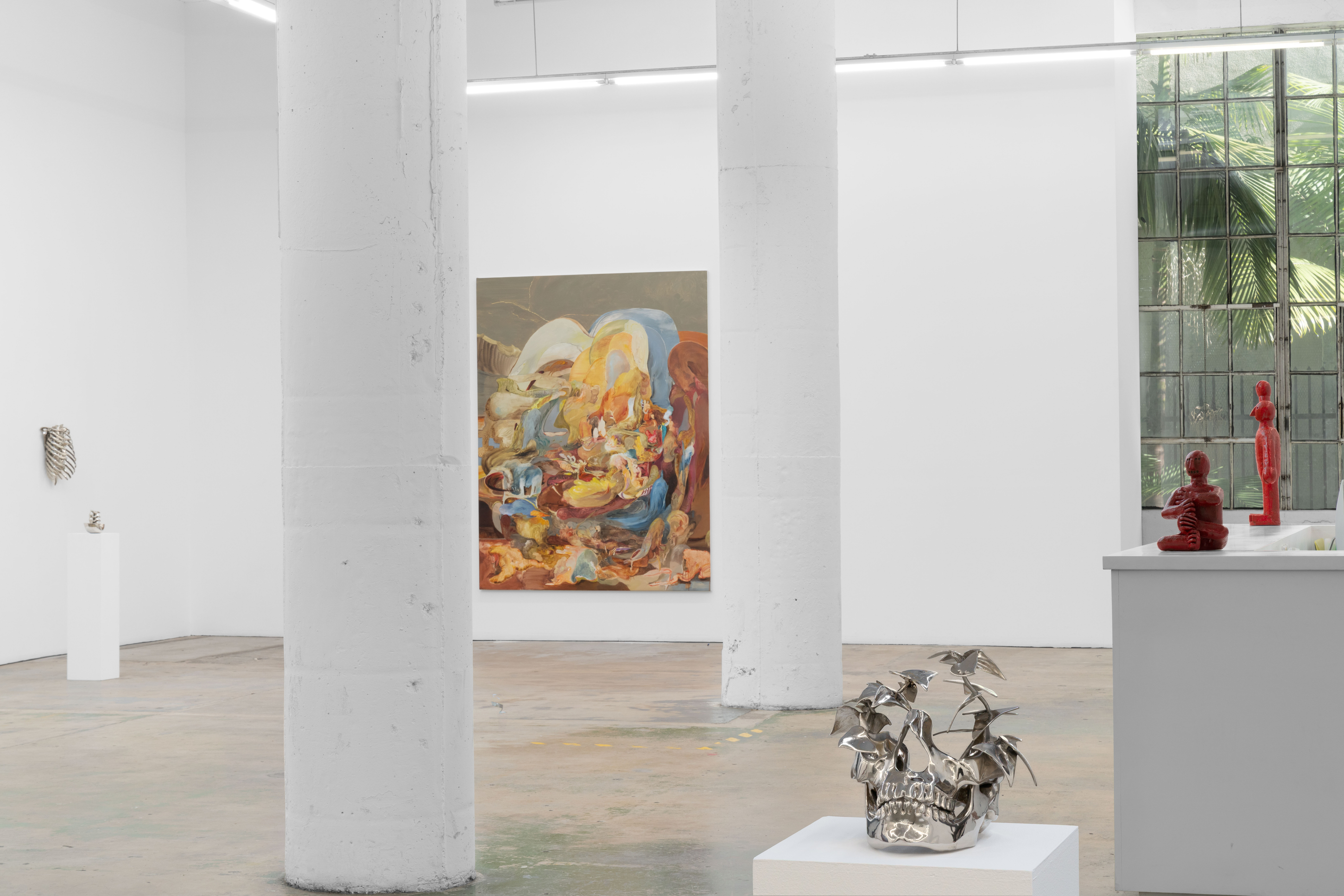
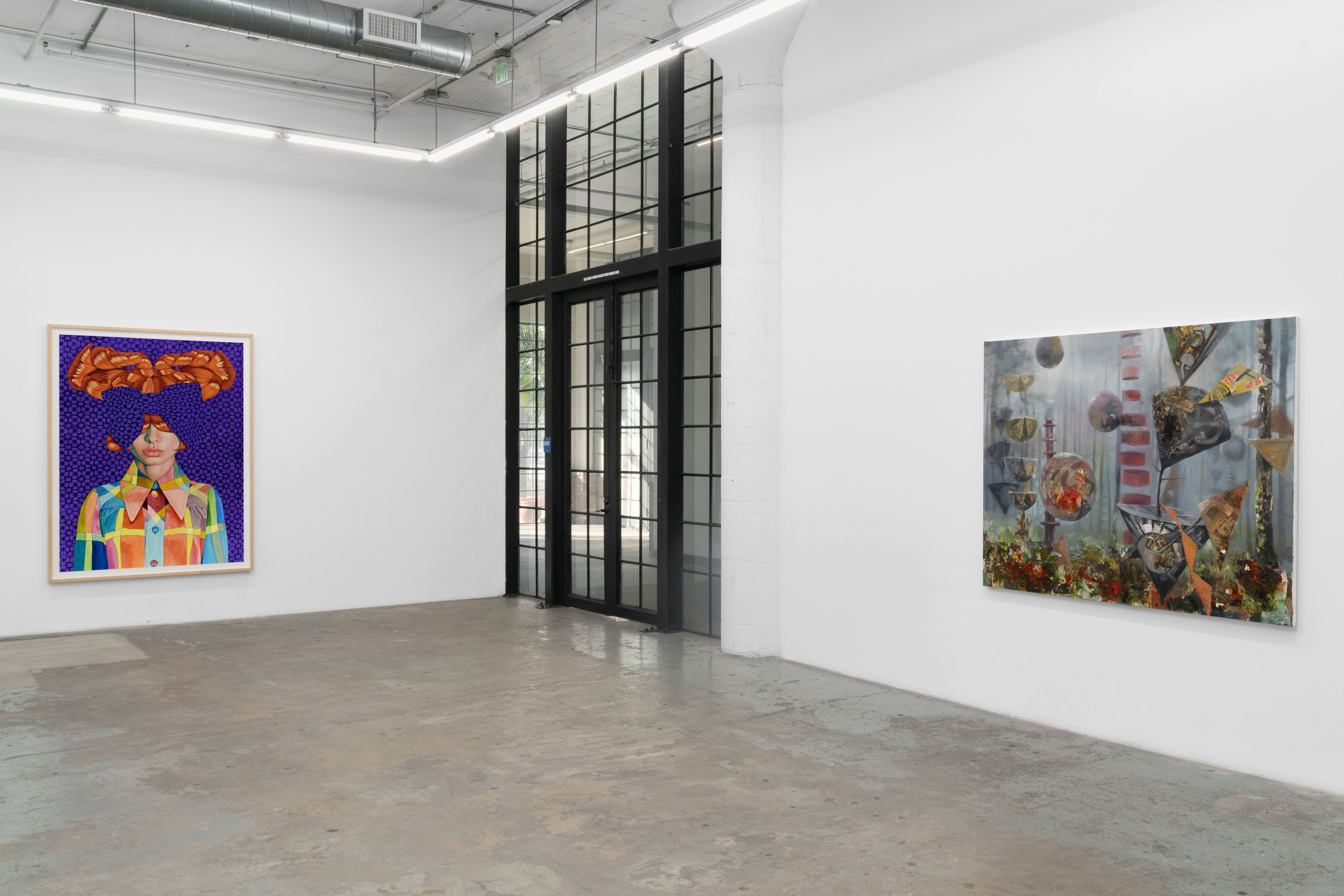
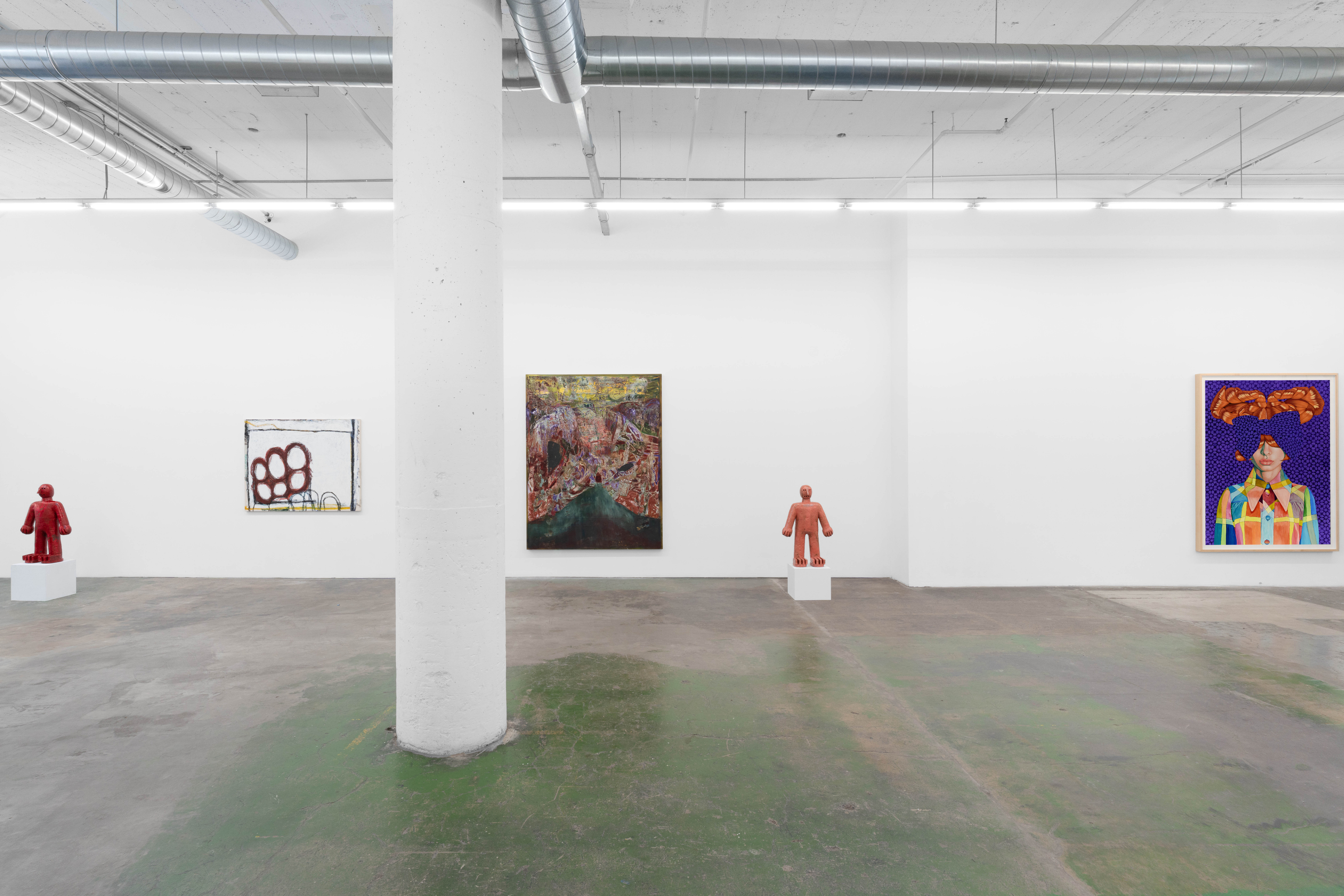
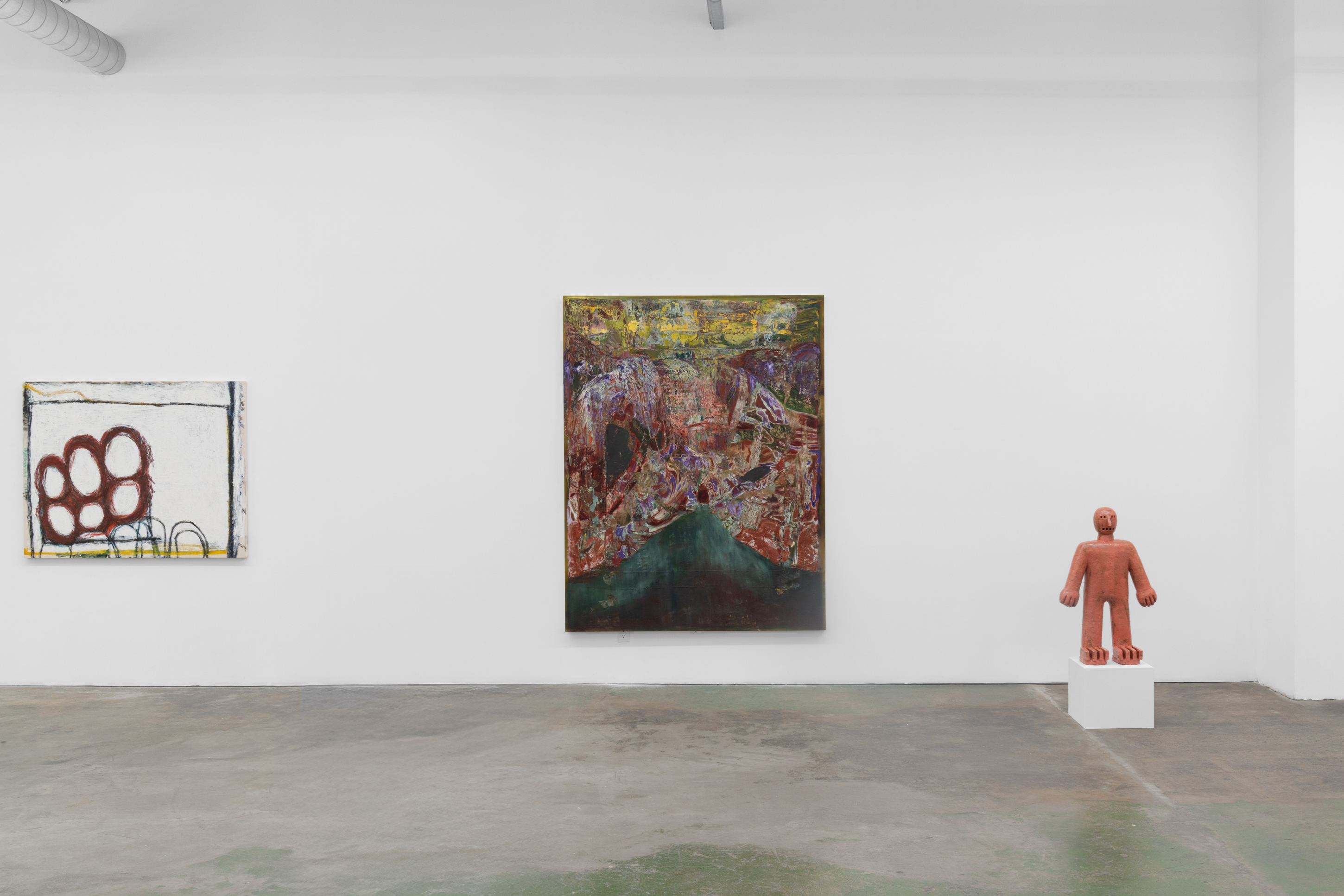
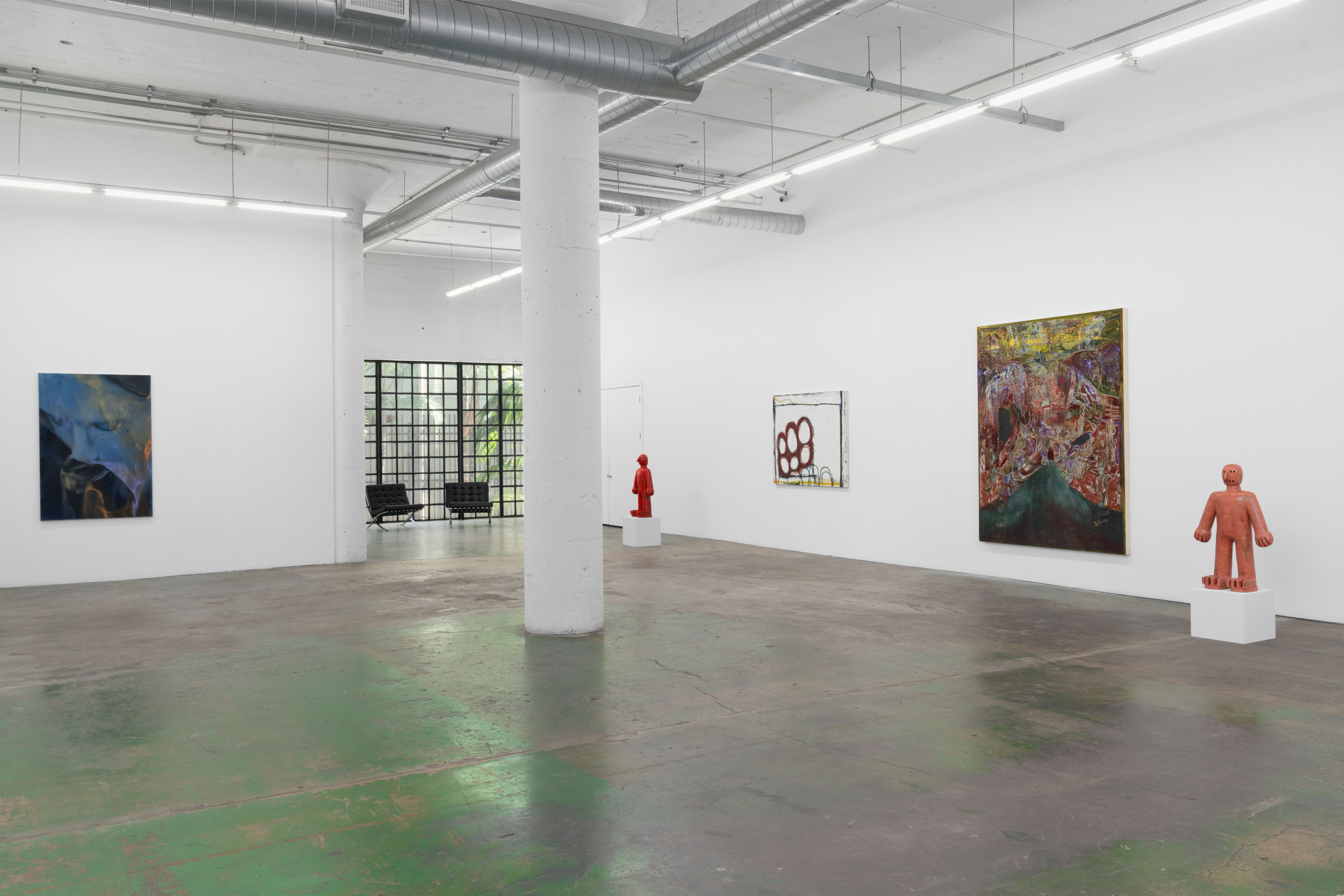
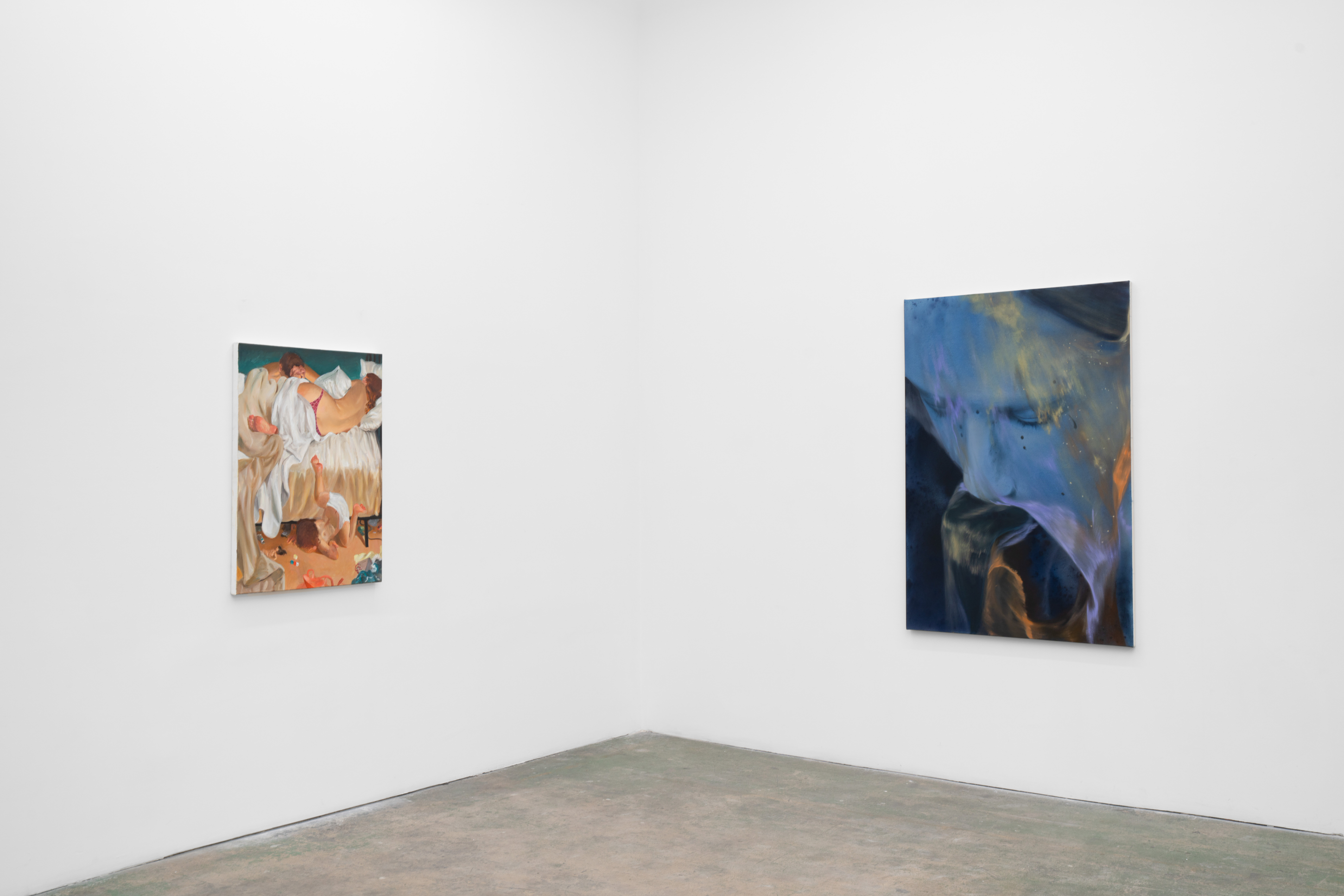
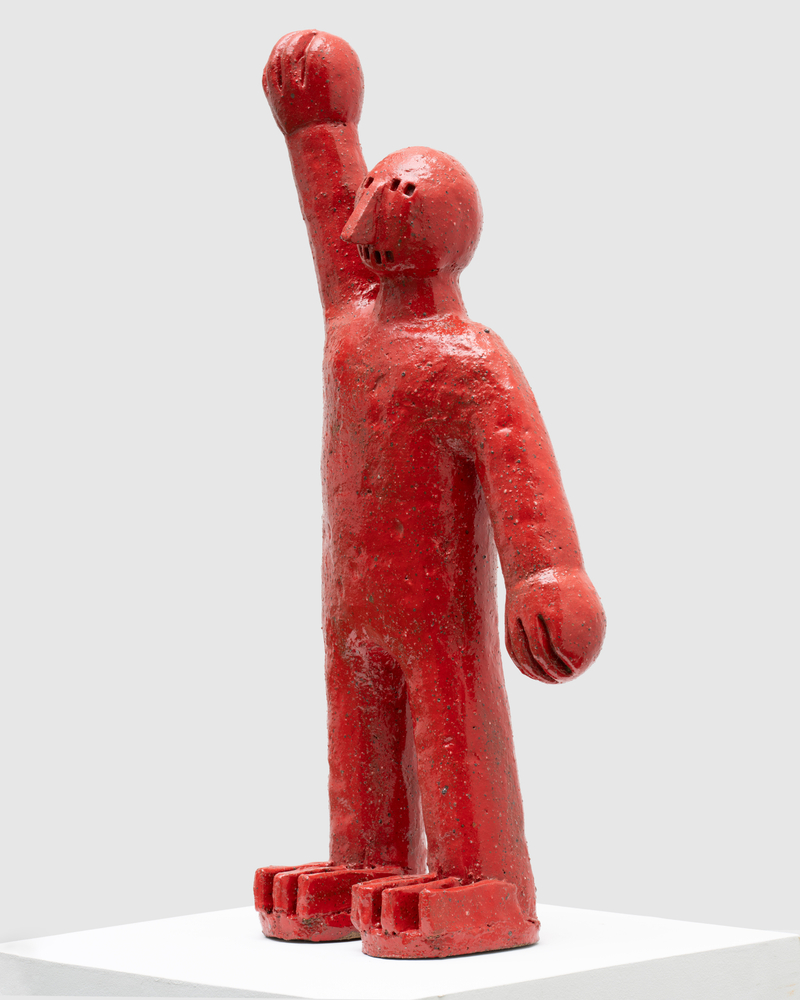
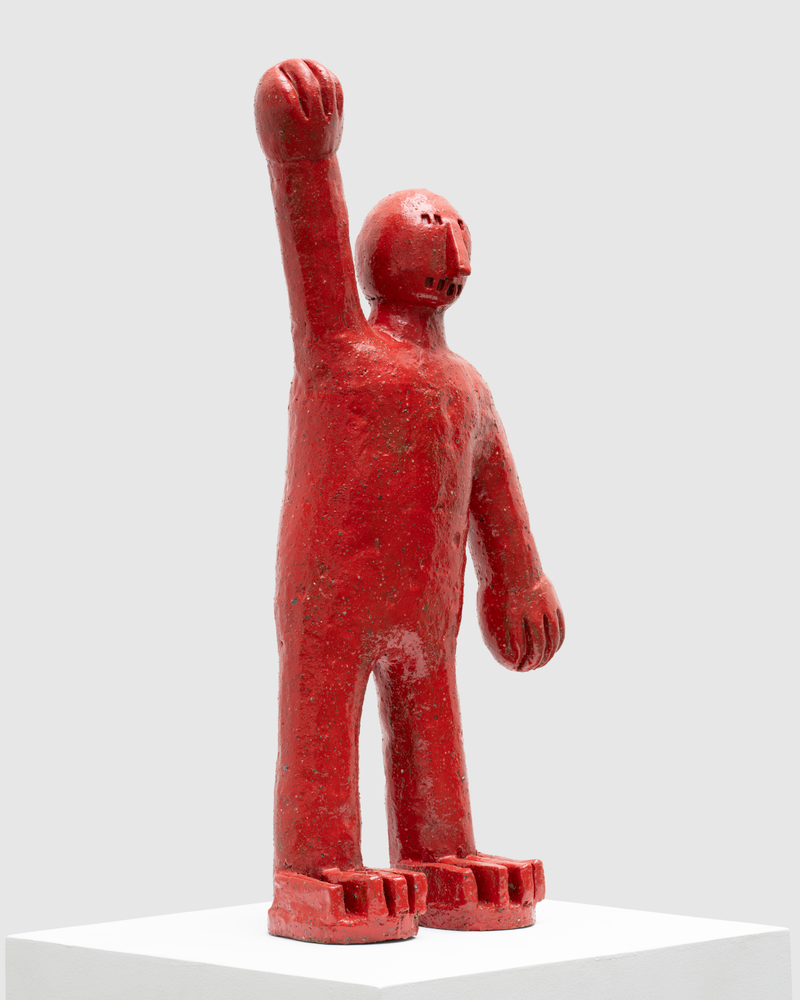
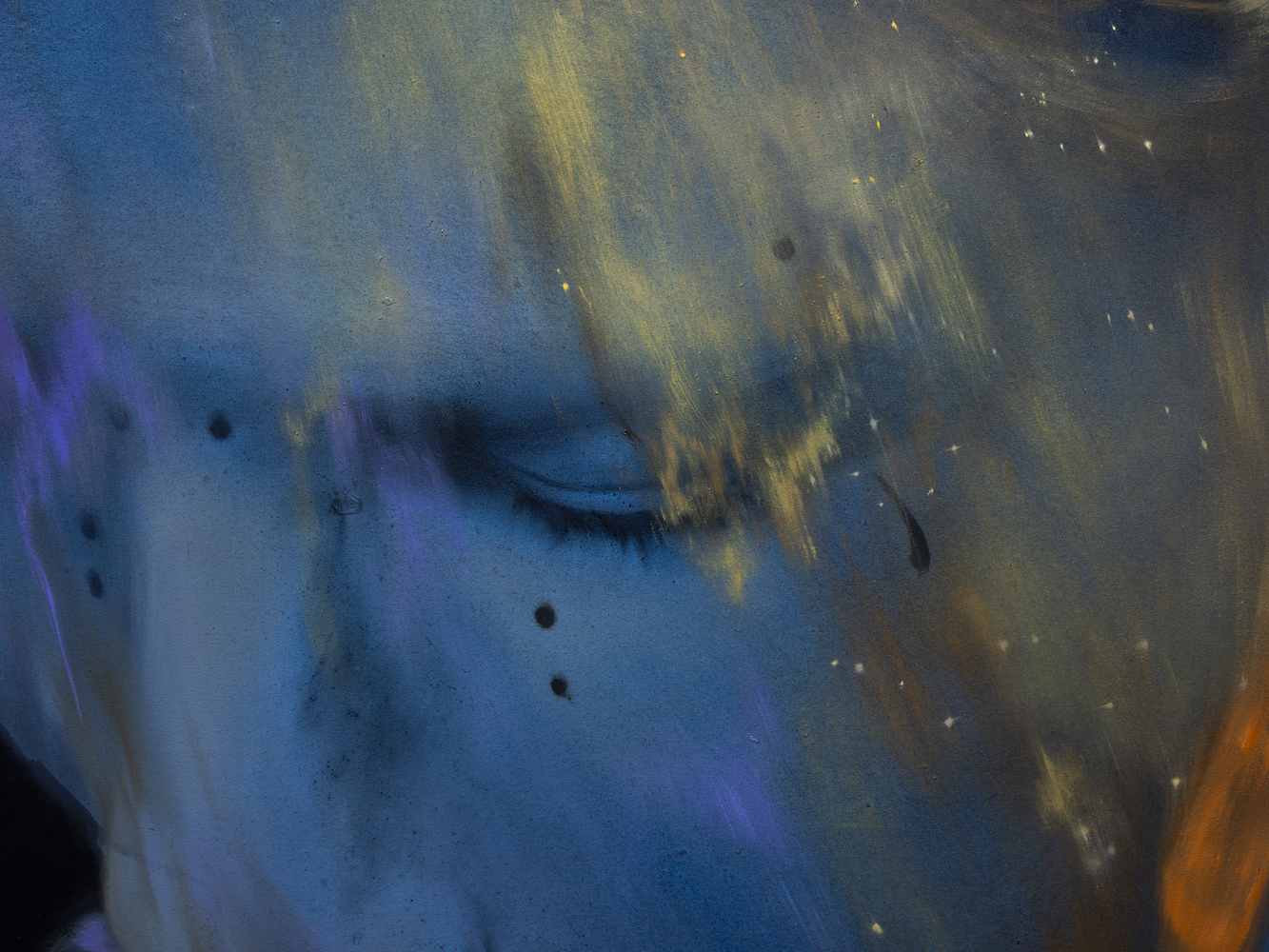
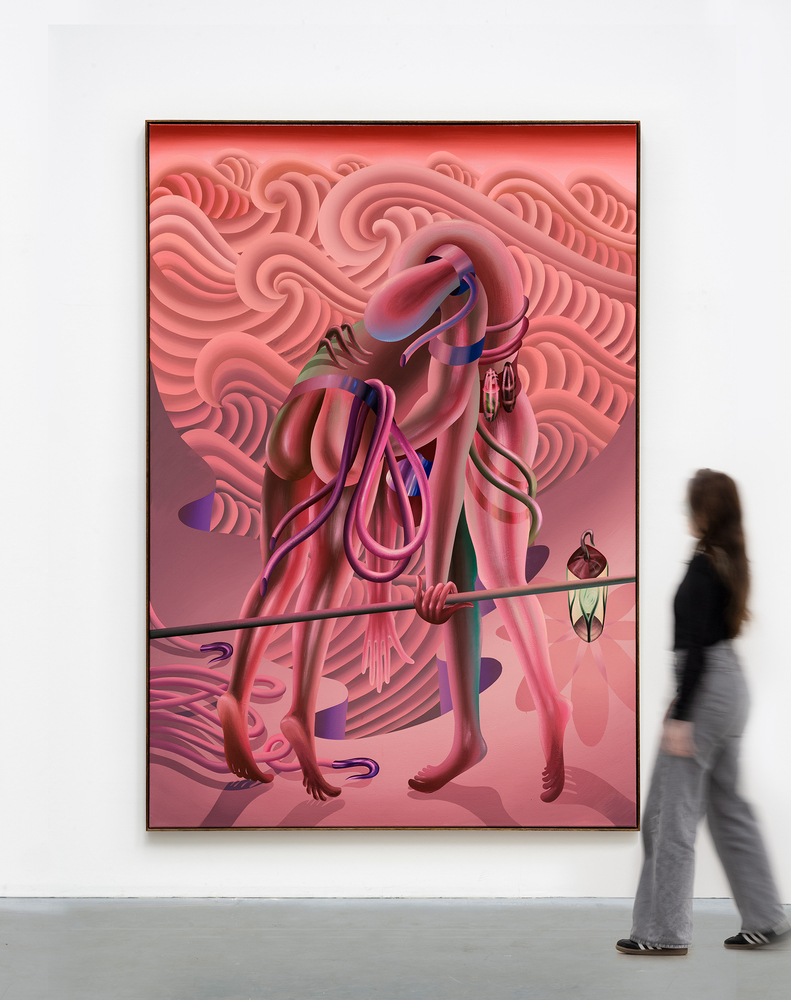
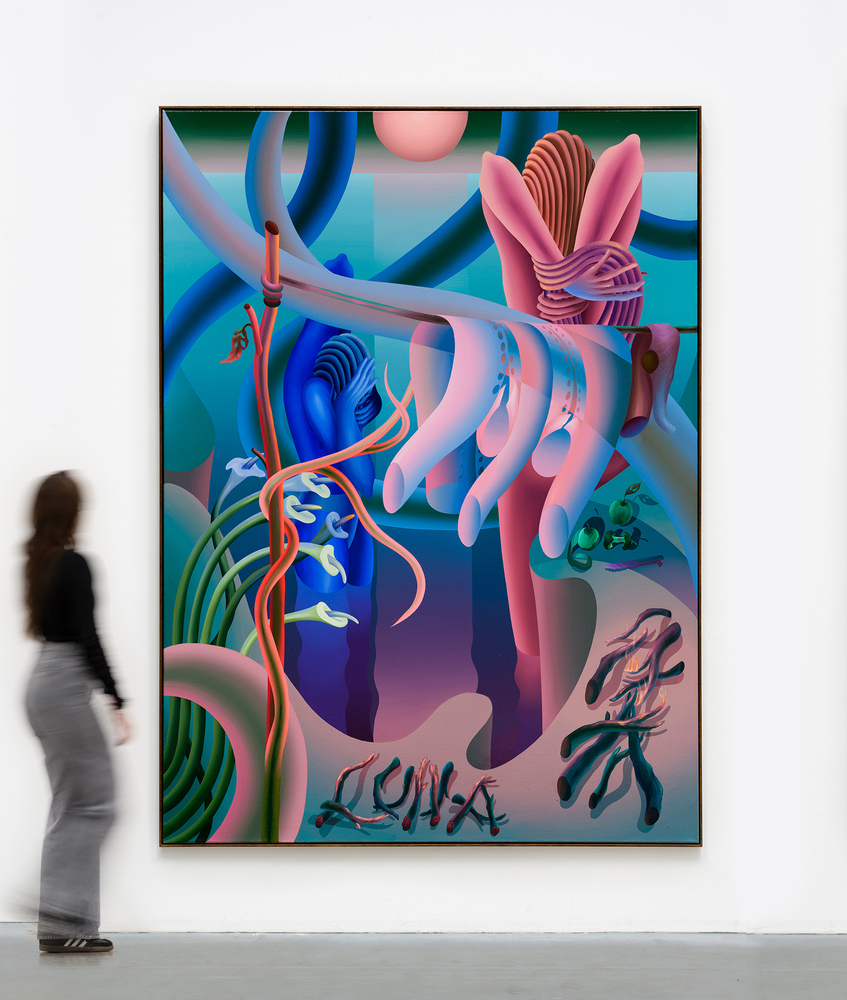
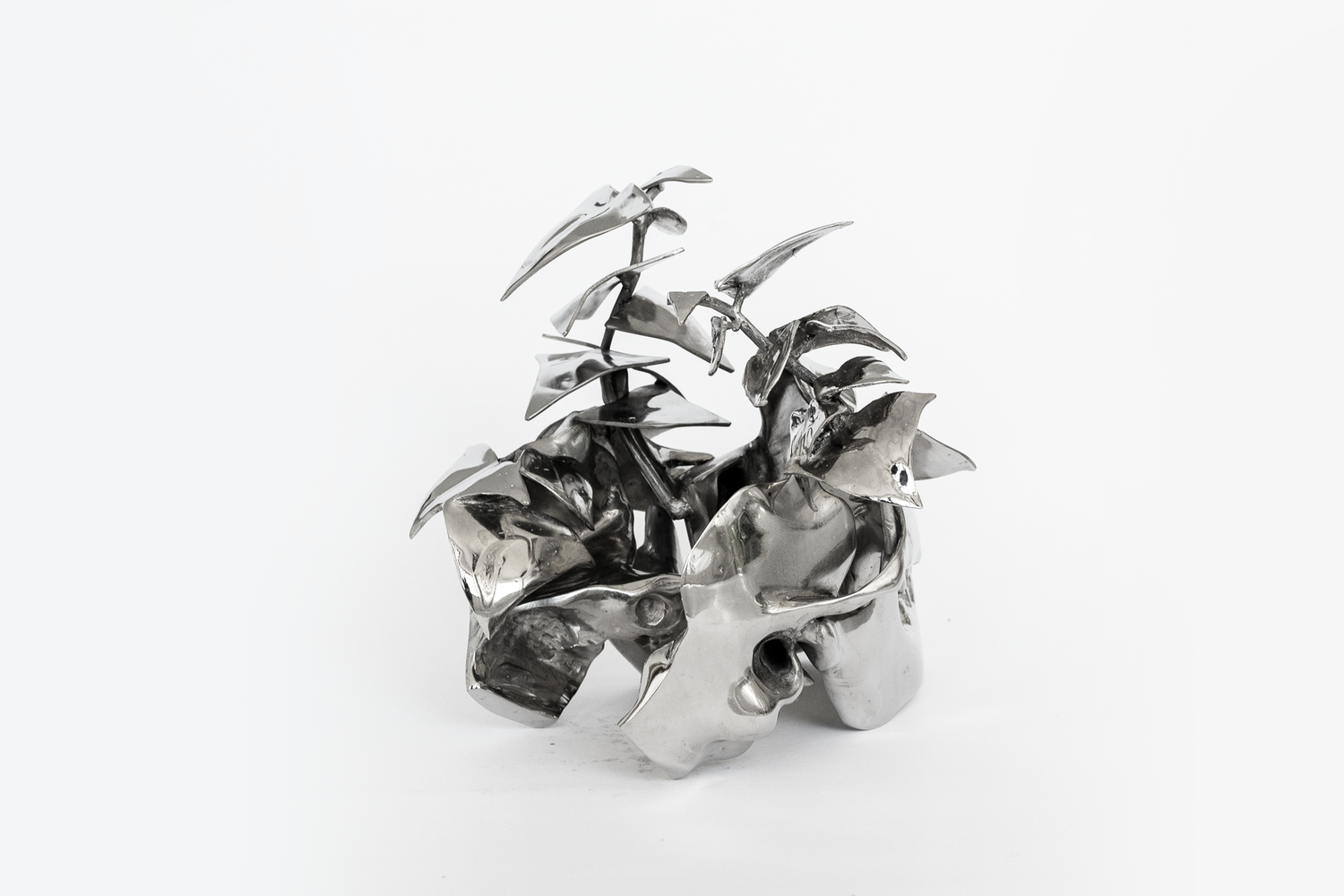
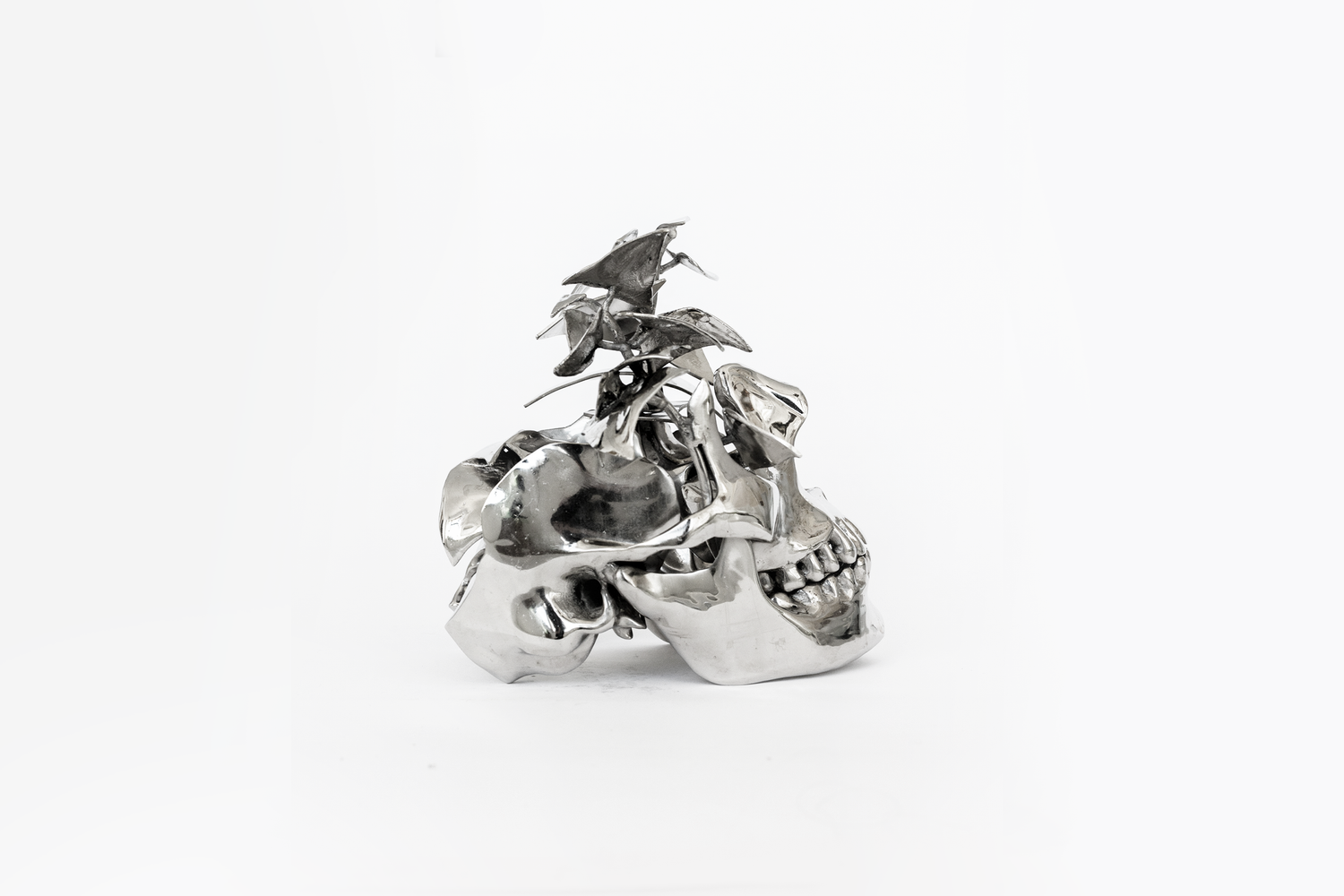
Across the gallery, bodies appear mid-thought, mid-injury, mid-revelation. Some are rendered with obsessive precision; others dissolve into abrasion and blur. Anatomy is stretched, compressed, or interrupted. The figure persists, but certainty does not.
These works do not describe people.
They register pressure.
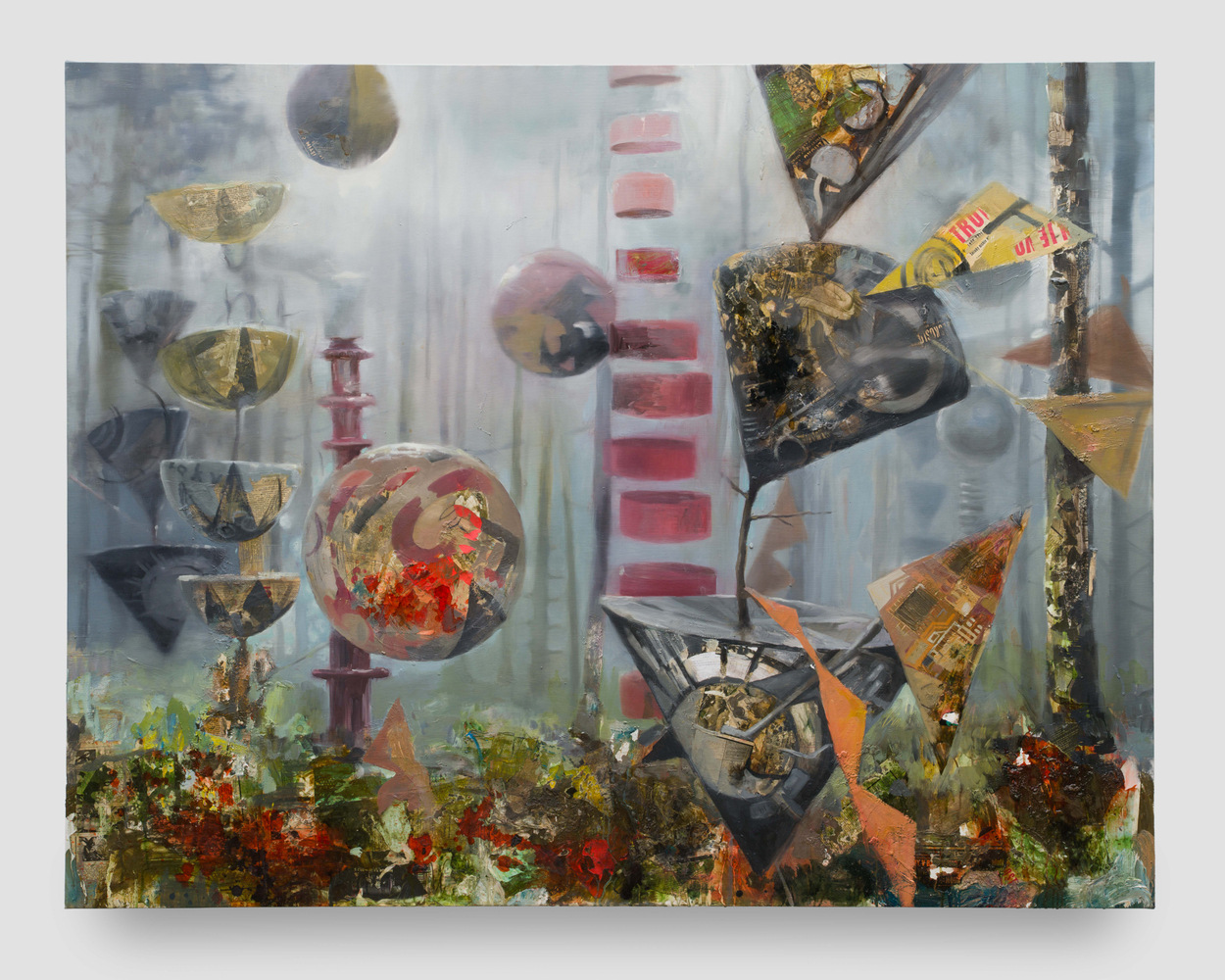
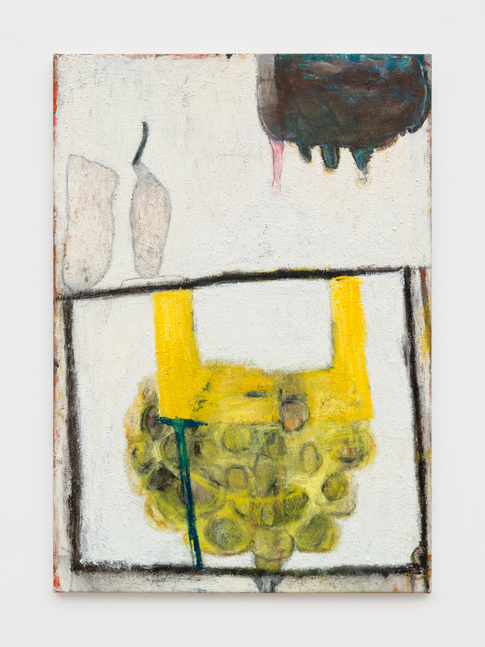
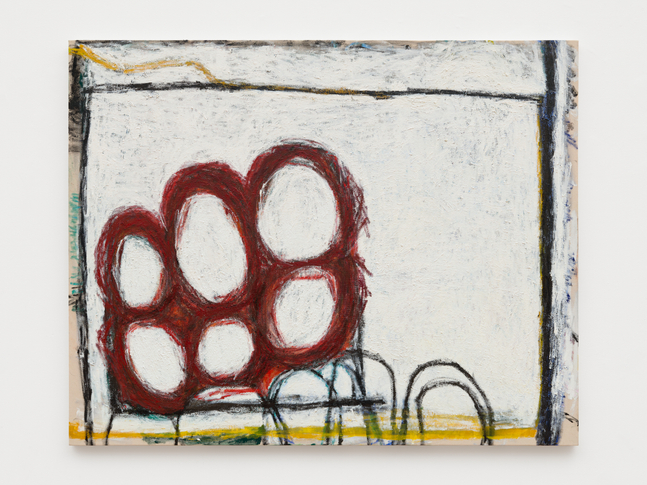
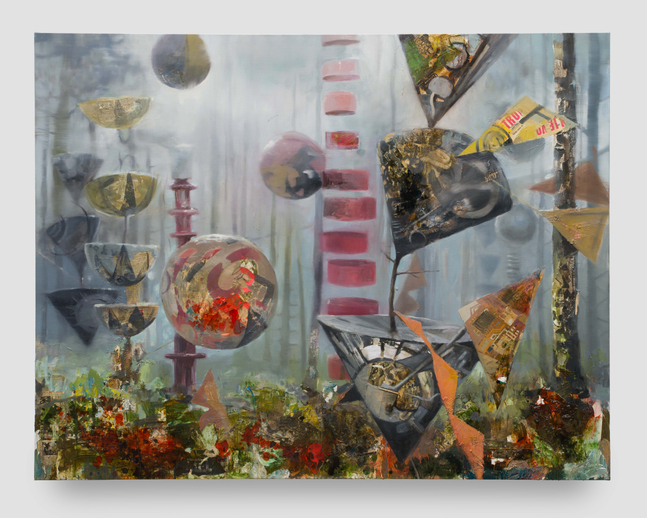
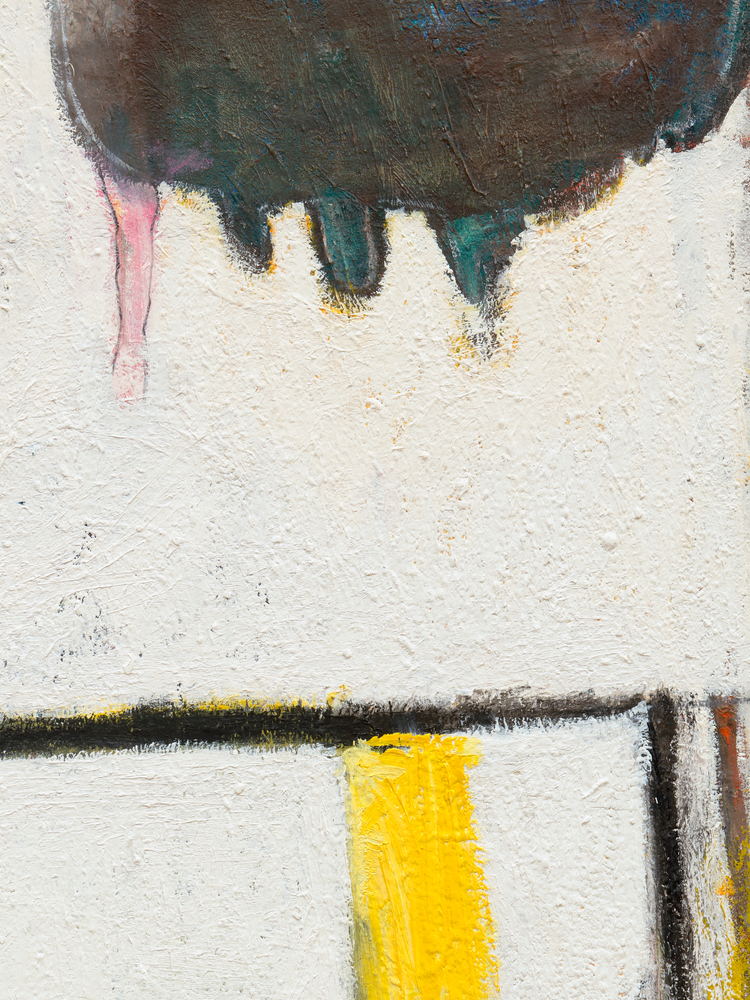
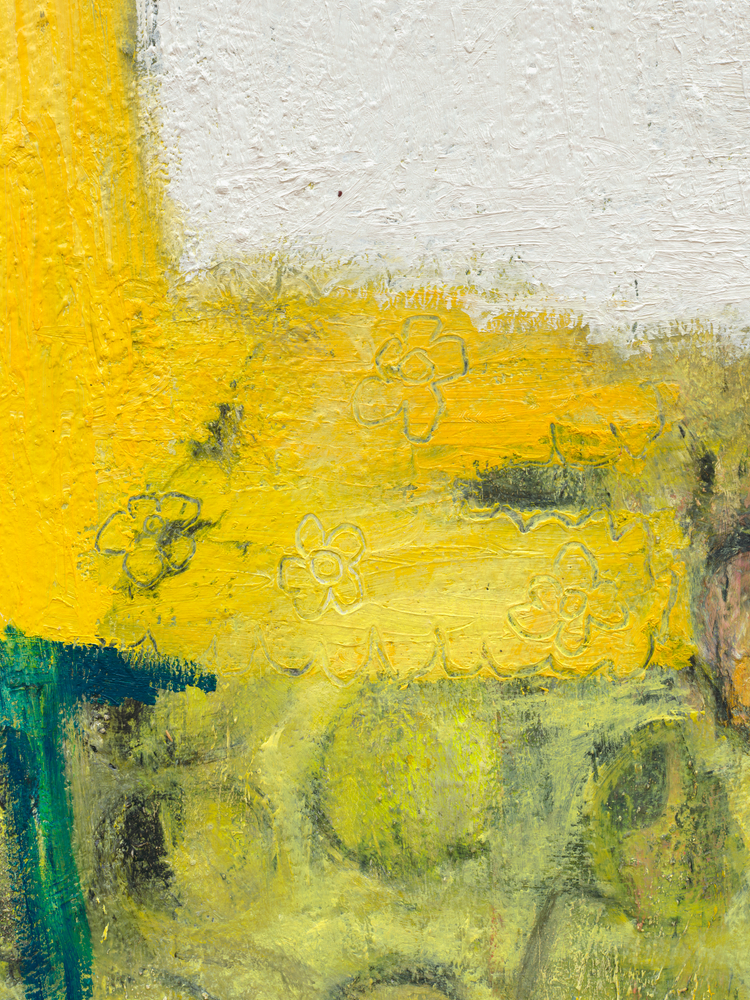
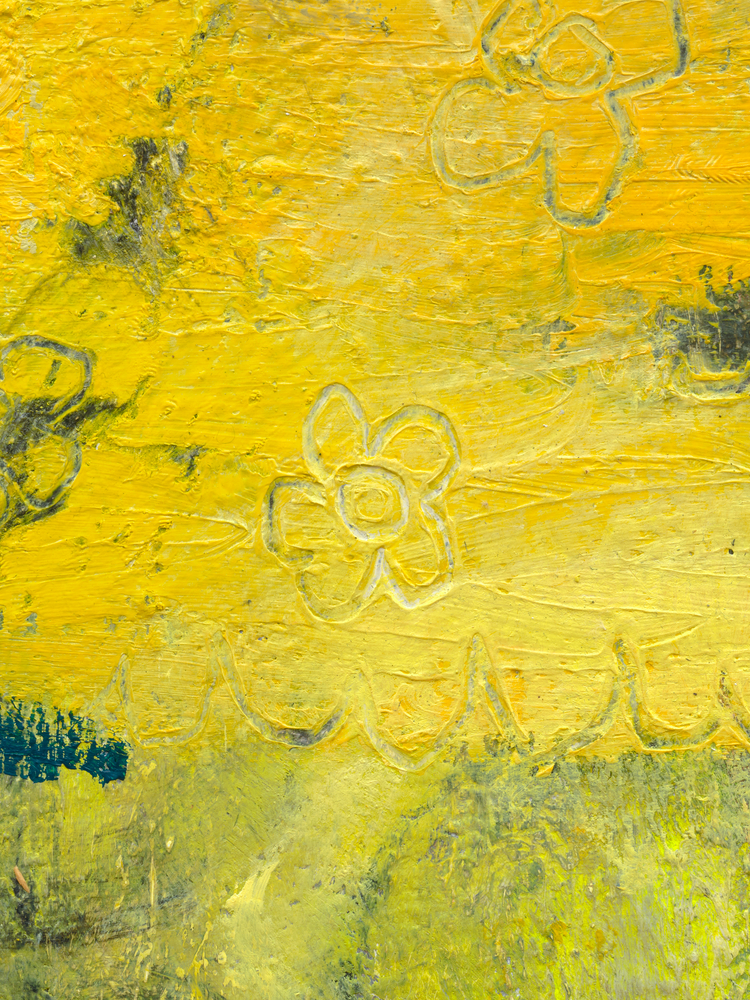
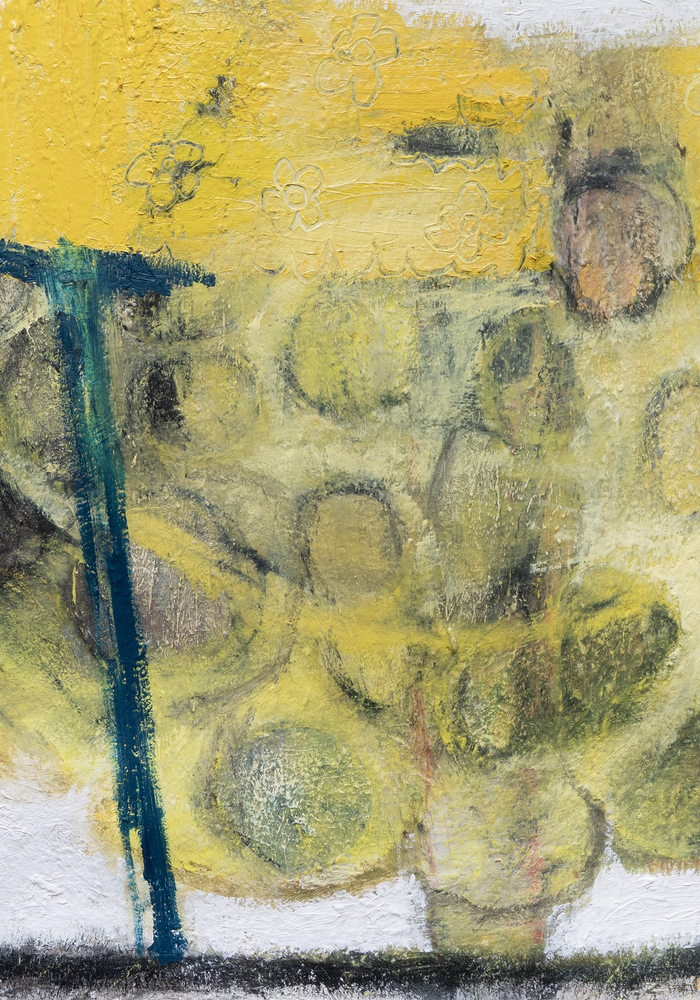
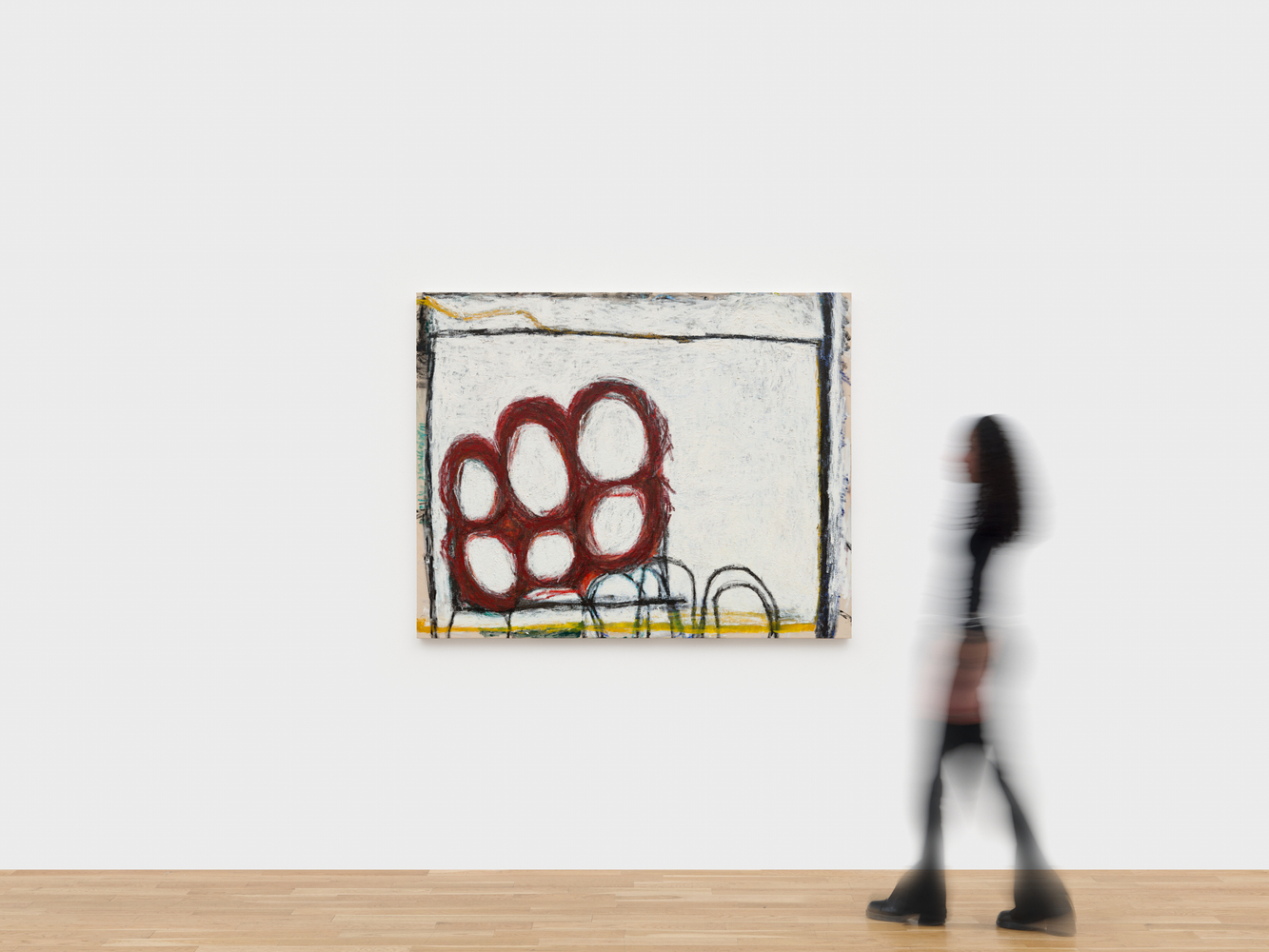
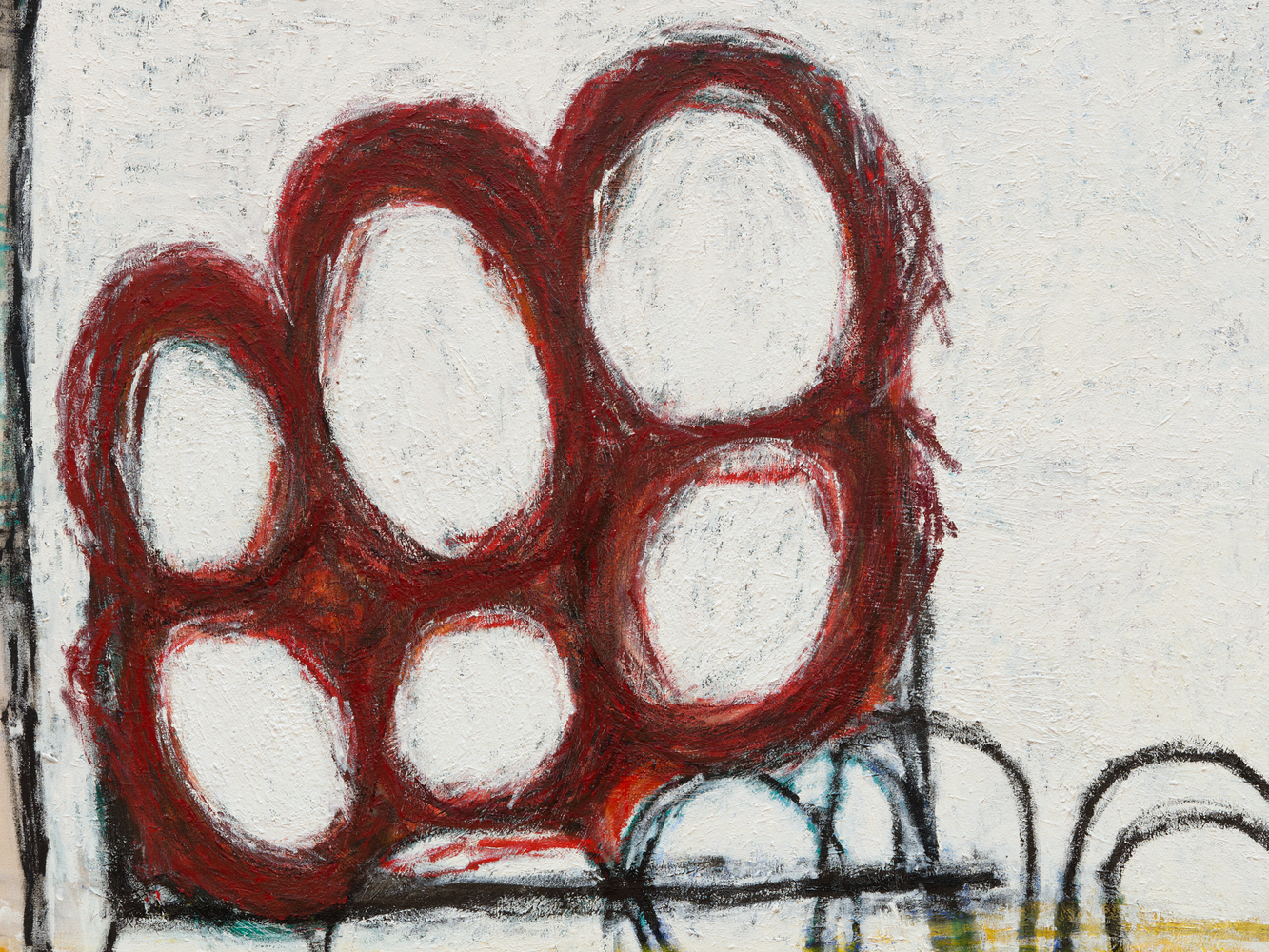
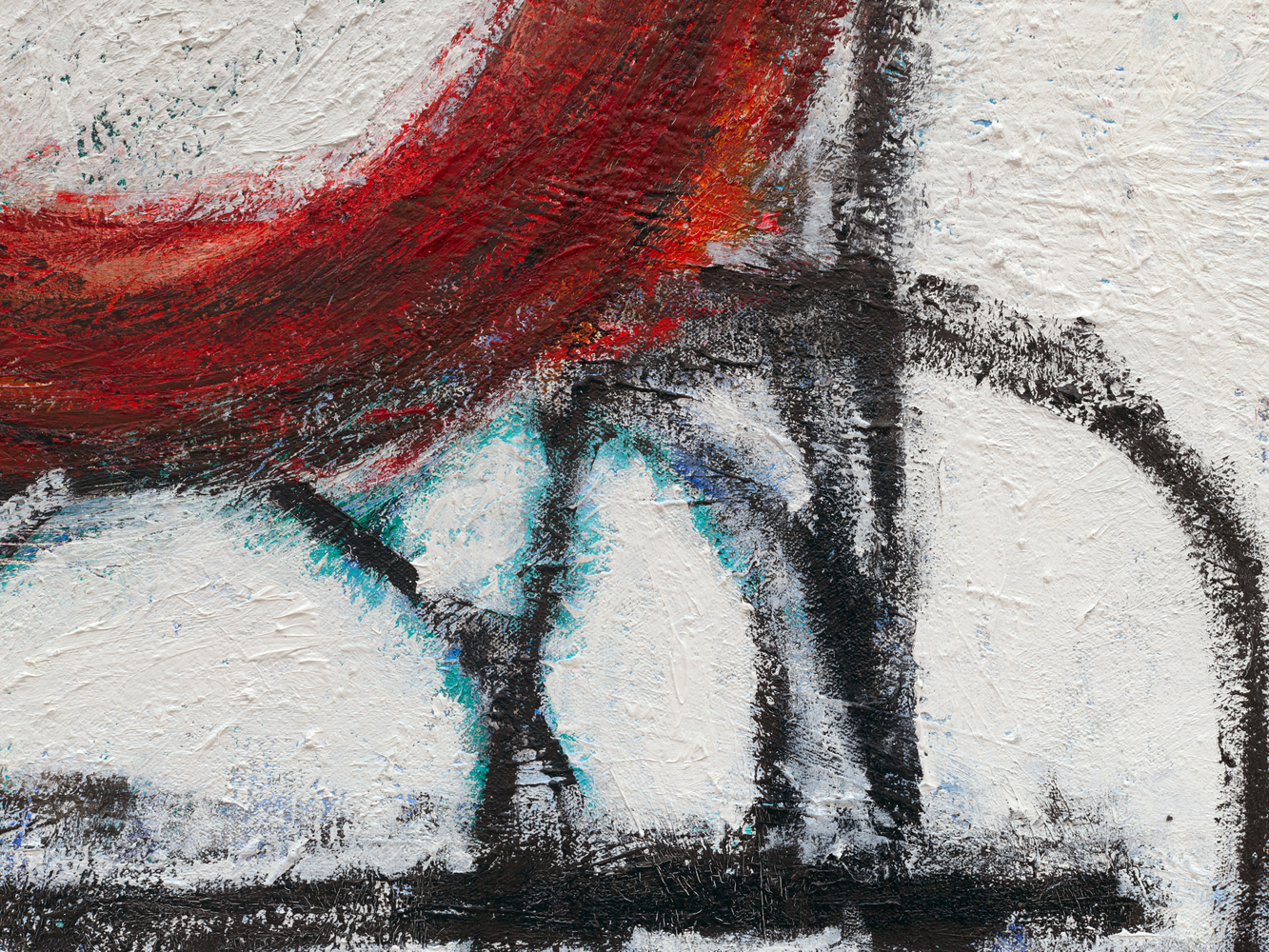
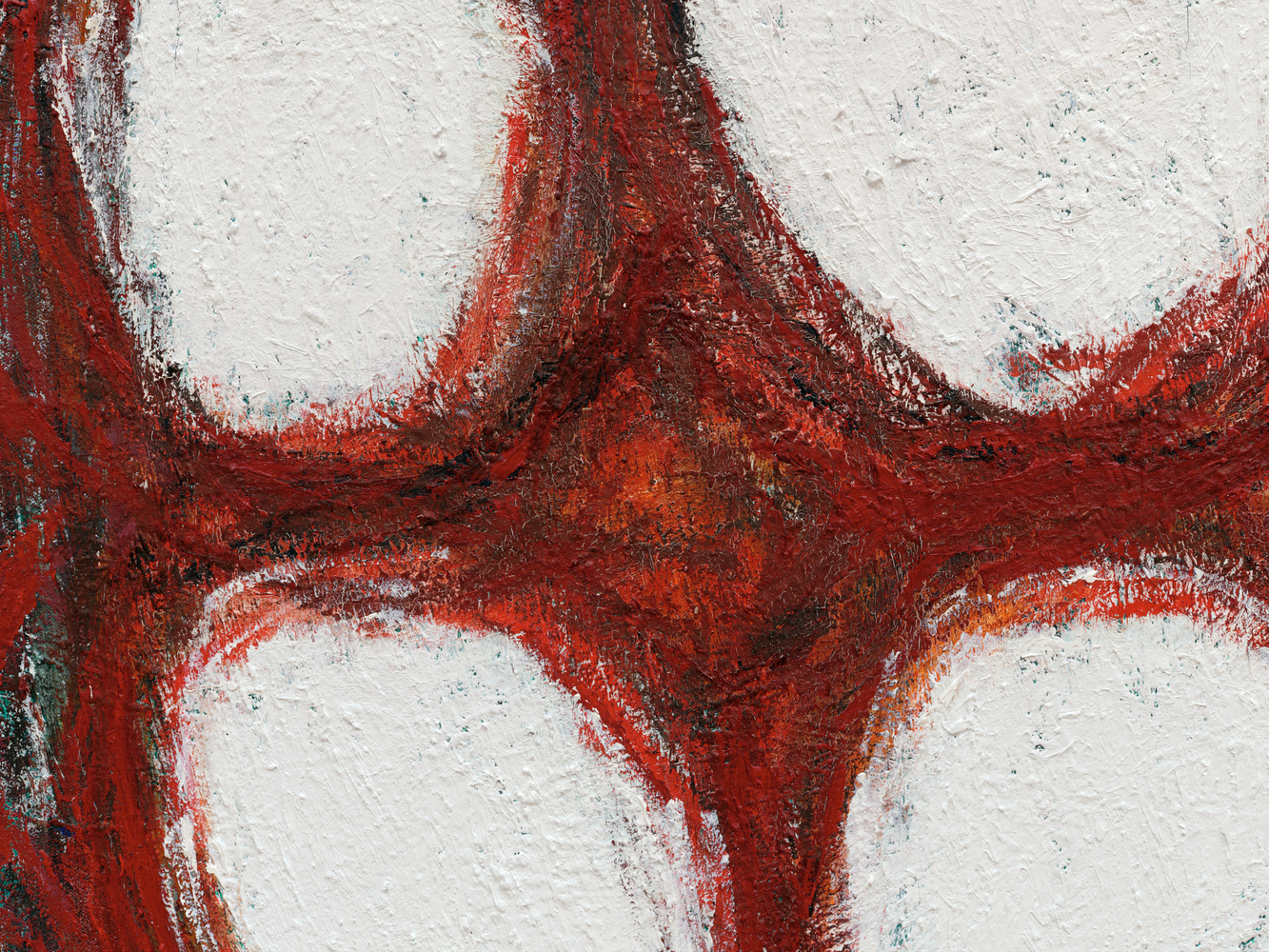
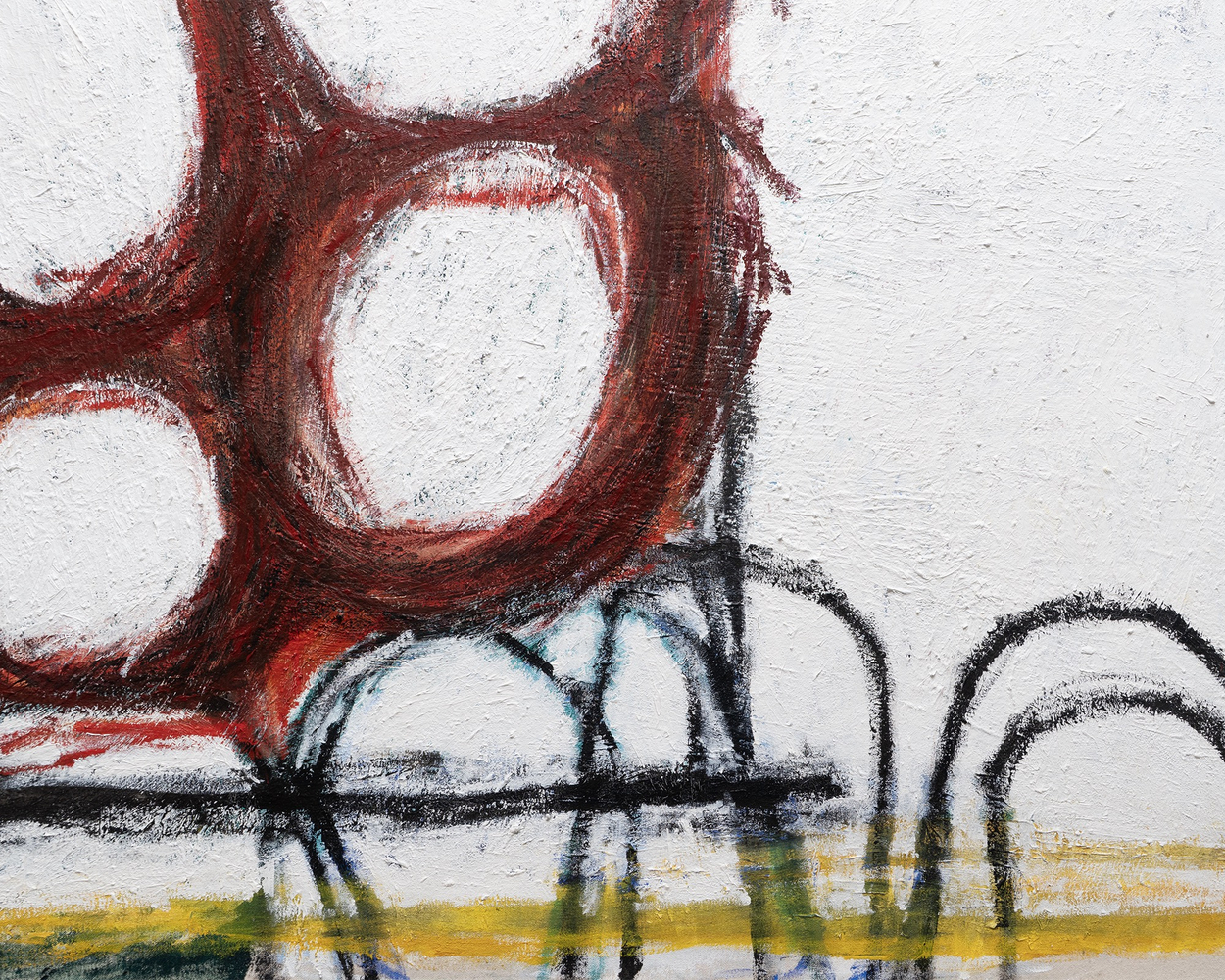
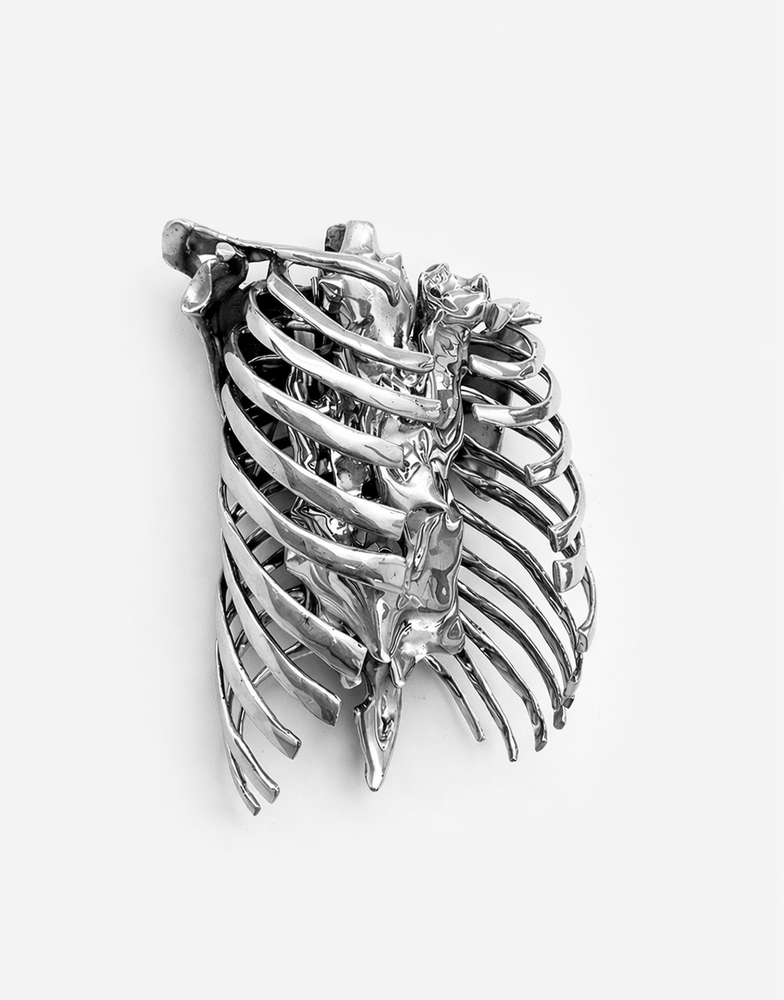
Paint accumulates like sediment. Limbs repeat or disappear. Surfaces bruise, scrape, polish, and erode. The body becomes a site where time leaves fingerprints — where emotion alters structure and perception rearranges proportion. There is no single narrative binding the works together. Instead, the exhibition moves through tonal shifts: intimacy gives way to spectacle; devotion slips into grotesque; tenderness edges toward unease. Classical references surface only to be destabilized. Beauty appears briefly, then fractures.
Many of the figures seem caught between opposing impulses — exposure and concealment, control and surrender, recognition and refusal. Eyes look away or stare through. Gestures freeze just before meaning settles. The works ask not who these figures are, but what has happened to them. Despite their differences, the artworks share a preoccupation with presence: what it means to occupy space, to be seen, to remain legible. The body is treated neither as ideal nor as metaphor, but as something lived-in — vulnerable to distortion, memory, longing, and repetition.
Nothing here is illustrative.
Nothing resolves cleanly.
Instead, the exhibition unfolds like a series of encounters — each figure confronting the viewer with a different intensity: quiet, theatrical, brutal, fragile. Together they suggest that the body is not stable ground, but shifting terrain — shaped continuously by perception, history, and desire.
The result is not a statement, but a condition.
A room full of bodies trying to stay intact.